



A Human-Made Star
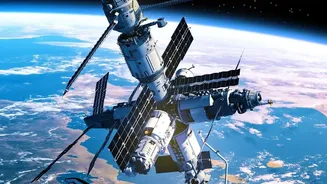
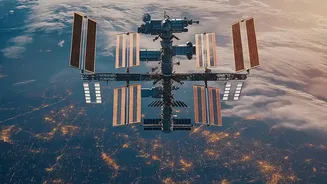
Orbiting Earth at a staggering speed of about 28,000 kilometres per hour, the International Space Station is the largest human-made object in space. It's roughly the size of a football field, and its massive solar arrays reflect sunlight, making it shine
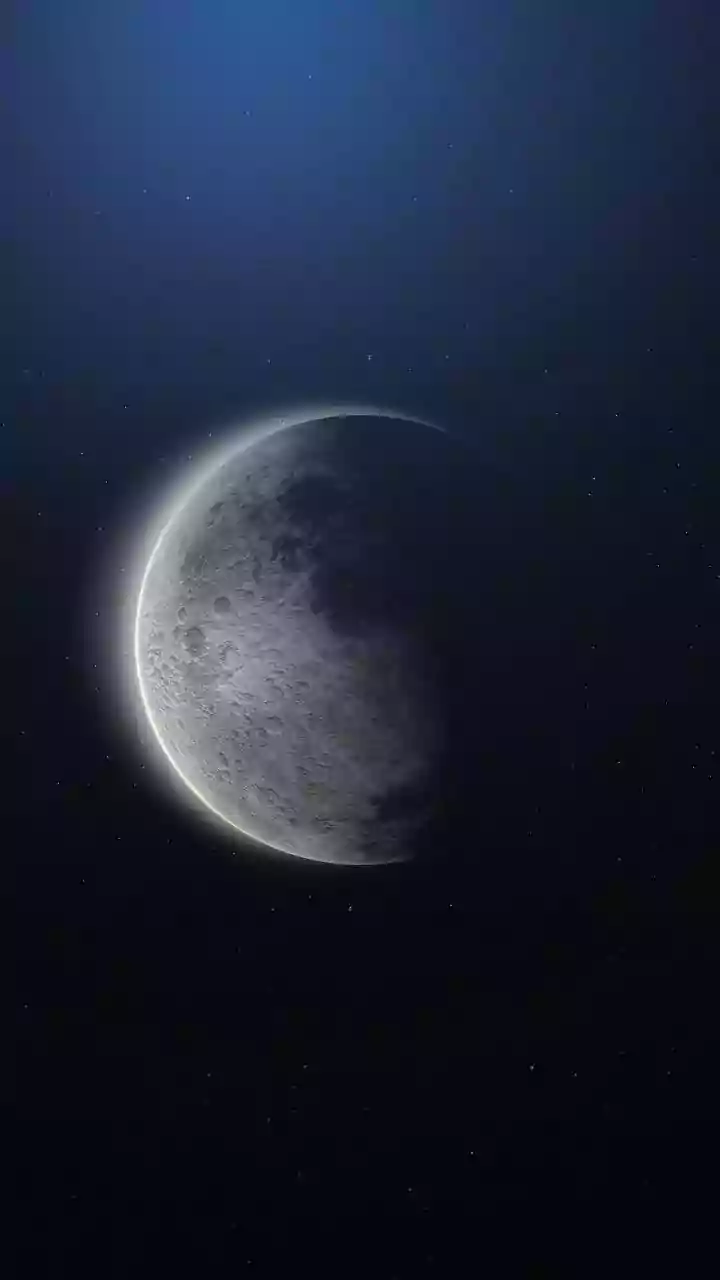
brightly. To the naked eye, the ISS looks like a very bright, fast-moving star or a silent, high-altitude airplane. Unlike a plane, however, it doesn’t have flashing lights; it’s a steady, constant point of white light moving smoothly across the sky. It is often the brightest object in the night sky after the Moon, bright enough to be seen even from light-polluted cities.
Your Phone is Now a Telescope
While you don't need any special equipment to see the ISS, a smartphone can act as your personal guide. This is where augmented reality (AR) apps come in. These clever applications use your phone's camera, GPS, and compass to overlay information directly onto your view of the real world. When you point your phone at the sky, an AR astronomy app can show you exactly where stars, planets, and satellites are, including the ISS. Popular and highly-rated apps available in India include NASA’s official 'Spot The Station' app, 'ISS Detector', and broader stargazing apps like 'SkyView' and 'Stellarium'. Many of these are free and available for both Android and iOS devices.
Finding the Next Pass
The first step is knowing when to look. The ISS is only visible when it's dark where you are, but the station itself is still high enough to be hit by the Sun's rays. This typically happens for a few hours after sunset and before sunrise. Most tracking apps will do the hard work for you. Simply grant the app location access, and it will generate a list of upcoming viewing opportunities for your specific city, whether it’s Delhi, Mumbai, or Chennai. These apps provide key details for each pass: the time it starts, how long it will be visible (usually a few minutes), its maximum height above the horizon, and the path it will take across the sky.
The Moment of Sighting
When it's almost time for a pass, head outside a few minutes early to let your eyes adjust to the darkness. Find a spot with a clear view of the sky, away from tall buildings or trees. Open your chosen AR app. Most have a feature that uses your camera to guide you. An arrow or on-screen marker will direct you where to point your phone. As you align it, the app will show the exact path the ISS will travel. All that's left to do is look up from your screen and watch that part of the sky. Right on schedule, you will see a bright dot appear, glide silently along the predicted path for several minutes, and then fade as it enters Earth's shadow.
Tips for a Perfect Viewing
To make the experience even better, a little preparation helps. Check the weather forecast; a clear sky is essential. Your outstretched fist at arm's length covers about 10 degrees of the sky, which can help you judge the altitude numbers given in the app. Remember that the station generally moves from west to east. While you can see it with just your eyes, a pair of binoculars might give you a slightly better view, though it will still be just a bright point of light. The real magic is in the knowing—realizing you are watching a crewed laboratory orbiting our planet, a testament to human ingenuity floating among the stars.