







The Great Protein Boom
For years, the wellness world has been dominated by a single piece of advice: eat more protein. It’s praised for building muscle, aiding weight loss, and keeping you full. This has led to a boom in protein-fortified products, turning everything from coffee
to cereal into a source of this macronutrient. The conventional wisdom, long set at a minimum of 0.8 grams of protein per kilogram of body weight, was even updated in early 2026, with new US dietary guidelines suggesting a much higher target of 1.2 to 1.6 grams/kg for most adults to optimize health. This shift seemed to confirm that more protein is always better. However, a new, sweeping review of scientific literature is urging a more nuanced conversation.
A Landmark Scientific Review
In a comprehensive review published in a Cell Press journal, researchers analyzed over 350 studies on protein intake, aging, and metabolism. The findings present a striking counter-narrative to the current “more is better” trend. The review concludes that for many sedentary adults, restricting protein intake—rather than increasing it—could be linked to healthier aging and a longer life. The research suggests that lower protein consumption may improve metabolic function, reduce inflammation, limit cellular damage, and activate pathways associated with longevity. This doesn't mean protein is suddenly bad; instead, it highlights that the ideal amount might be highly individual.
Why One Size Doesn't Fit All
The core message from the 350-study review is the need for personalization. The author of the review, Dudley Lamming from the University of Wisconsin-Madison, notes that while the benefits of protein for active individuals are “absolutely crystal clear,” most people are relatively sedentary and likely consuming more than they need. This excess may come with negative health consequences. The research points to a few key factors that should influence your protein needs: activity level, age, and health goals. For example, athletes and those who exercise regularly need more protein to repair and build muscle. Similarly, older adults may require higher intake to prevent age-related muscle loss, a condition known as sarcopenia. However, for a healthy but inactive adult, the high levels of protein now commonly recommended might be not just unnecessary, but potentially counterproductive to healthy aging.
Finding Your Protein Sweet Spot
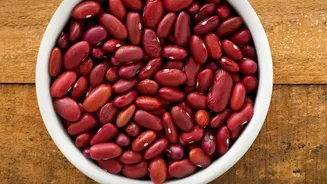
If there's no single magic number, how can you figure out what’s right for you? The new research encourages a shift away from universal targets toward a more personalized strategy. Experts suggest considering your lifestyle. If you're a highly active person, aiming for the higher end of the 1.2 to 1.6 g/kg recommendation makes sense. If you're older and looking to preserve muscle mass, a higher intake is also generally advised. But if you are largely sedentary, you may not need to push your intake far beyond the long-standing baseline of 0.8 g/kg. Some studies in the review found that people who ate less protein saw improvements in fasting blood sugar and lost body fat. The quality of protein also matters. Spreading your intake throughout the day and choosing a variety of sources, including plant-based options like beans and lentils, is also recommended.