



A New Dawn for Regional Road Trips
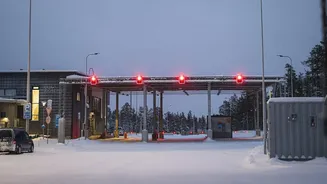
For years, the allure of driving across borders into neighbouring countries was often tangled in complex paperwork and uncertain rules. However, a coordinated push to boost regional tourism and connectivity is changing the landscape. Governments are streamlining
processes at land borders, making it significantly easier for tourists to undertake overland journeys. This initiative not only promotes cultural exchange but also unlocks immense potential for adventurous travel, allowing Indian explorers to experience the diverse landscapes and cultures of South and Southeast Asia from the driver's seat.
The Eastern Gateways: Myanmar and Thailand
The most exciting developments are along India's eastern frontiers. The India-Myanmar-Thailand Trilateral Highway has long been a topic of discussion, and recent changes are turning it into a reality for tourists. Indian citizens can now cross into Myanmar through land borders like Moreh in Manipur and Zokhawthar in Mizoram with a valid passport and an e-Visa. Previously, this route often required special permits or was restricted to vehicle convoys, but the process has been simplified. From Myanmar, the journey can continue into Thailand, creating a seamless road-trip corridor into Southeast Asia. While Thailand has recently adjusted its visa policies, ending a temporary visa-free scheme, options like the visa-on-arrival remain available at land checkpoints for those entering from Myanmar, though travellers should be prepared for stricter documentation checks.
Himalayan Classics: Nepal and Bhutan
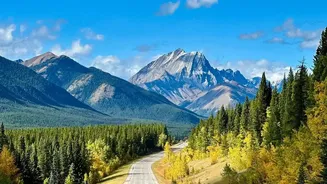
The overland routes to Nepal and Bhutan remain the most accessible and popular for Indian tourists. The relationship with Nepal allows for largely unrestricted movement for Indian citizens, often without the need for a passport (though carrying a valid government ID is essential). This open-border policy has facilitated spontaneous trips for generations. Travel to Bhutan, while not completely visa-free, involves a straightforward special entry permit for Indian nationals, which can be obtained at the border town of Phuntsholing. These routes are perfect for first-time international road-trippers, offering stunning Himalayan scenery and a gentle introduction to cross-border travel.
What You'll Need at the Checkpoint
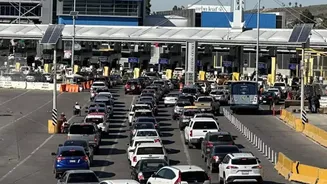
While rules are getting simpler, being prepared is key. For any overland journey, ensure you have the following: a valid passport with at least six months of validity, and for some countries, a pre-obtained e-Visa or visa-on-arrival is necessary. If you are driving your own vehicle, you will need the vehicle's registration certificate, a valid driving license, and an international driving permit. Additionally, a carnet de passages en-route (a customs document for motor vehicles) might be required for certain countries to avoid paying import duties. Always carry multiple passport-sized photographs, copies of all your documents, and proof of accommodation and funds, as border officials may ask for them.
Planning Your Overland Adventure
A successful overland trip requires more than just the right documents. Ensure your vehicle is thoroughly serviced before you leave, paying special attention to tyres, brakes, and engine health. Research the road conditions along your intended route, especially in remote or mountainous areas. It's also wise to carry a basic toolkit and know how to perform minor repairs. In terms of money, it's best to carry a mix of cash in the local currency and international credit/debit cards. Finally, familiarize yourself with the basic traffic rules and cultural etiquette of the countries you plan to visit. A little respect and preparation go a long way in ensuring a smooth and enjoyable journey.