



An Open-Air Gallery Reawakens
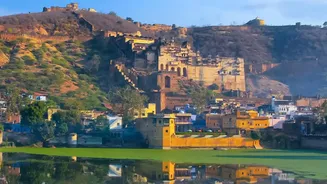
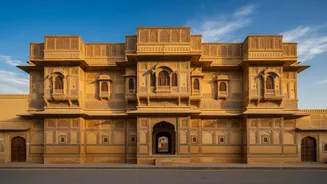
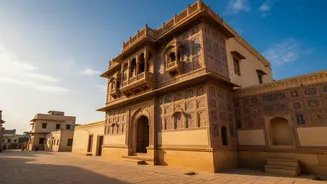
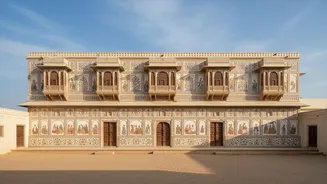
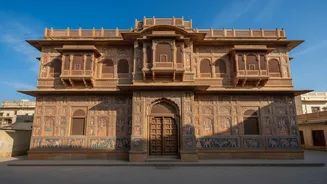
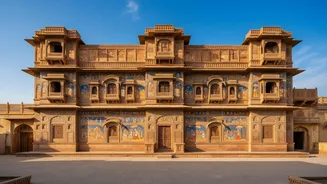
The Shekhawati region, encompassing towns like Mandawa, Nawalgarh, and Fatehpur, is famed for its grand havelis. These are not just mansions; they are canvases telling stories of mythology, history, and the daily life of the wealthy Marwari merchants
who built them in the 18th and 19th centuries. Their walls, both inside and out, are covered in elaborate frescoes, a traditional painting technique on wet plaster that makes the colour part of the wall itself. This has earned the region the nickname 'the open-air art gallery of India'. For decades, many of these architectural gems lay in neglect, their brilliant murals fading under the desert sun. But now, a passionate wave of restoration is sweeping through the region, breathing new life into these historic structures.
From Ruin to Boutique Retreat
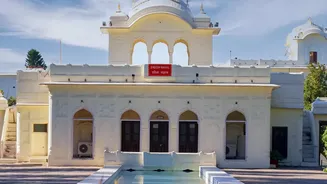
A growing number of havelis are being meticulously restored, not as static museums, but as intimate heritage hotels and cultural hubs. Spearheaded by private owners, conservation groups, and international collaborations, these restoration projects aim for adaptive reuse—preserving the soul of the building while making it functional for modern visitors. For instance, the Vivaana Culture Hotel in Mandawa and the Nadine Le Prince Haveli in Fatehpur are celebrated examples of mansions that have been brought back to their former glory, offering travellers a chance to sleep under frescoed ceilings and dine in courtyards that echo with history. This movement focuses on sustainable conservation, often involving local artisans and traditional building techniques, ensuring the preservation of both the architecture and the skills required to maintain it.
The Surprising Allure of the Off-Season
Traditionally, Rajasthan's tourist season runs from October to March, avoiding the intense summer heat. However, Shekhawati is seeing a new trend: a rise in visitors during the so-called off-season, particularly the monsoon months of July to September. While summers can be harsh, the monsoon offers a different charm. The sparse rainfall turns the arid landscape surprisingly green, and the cooler, quieter atmosphere provides a more personal and uncrowded experience. This shift is driven by a different kind of travel. Instead of rushing between sights in the midday sun, off-season visitors are embracing a slower pace. The focus moves indoors, towards appreciating the art and ambience of the havelis, participating in workshops, and engaging with the local culture away from the peak-season rush.
An Immersion in Art and Culture
The appeal of these restored mansions goes far beyond their beauty. They are becoming vibrant centres for cultural immersion. Many heritage properties now offer curated experiences designed to connect guests with the region's artistic soul. Travellers can participate in hands-on workshops to learn about fresco painting, traditional Rajasthani cooking, lac bangle making, or even the basics of heritage restoration. Art and creative retreats are also gaining popularity, inviting participants for multi-day sojourns that blend artistic practice with cultural exploration. These experiences allow visitors to not just see the art but understand its context, guided by local experts and artisans who are the living keepers of Shekhawati's legacy.