




The Pakoda's Place on Our Plate
The pakoda is more than just a snack; it's a cultural touchstone. From monsoon evenings with a cup of chai to casual get-togethers, these deep-fried fritters are woven into the fabric of Indian life. Whether it’s the classic onion bhaji, spinach, potato,
or paneer, each bite is a burst of flavour and nostalgia. The only drawback? The traditional method of deep-frying. While delicious, submerging the batter-coated goodies in hot oil loads them with fat and calories, turning a simple pleasure into a dietary dilemma for the health-conscious.
Embracing the ‘Healthier’ Alternative
For years, the choice seemed to be between indulgence and abstinence. But that’s no longer the case. Driven by a growing wellness movement and the availability of modern kitchen gadgets, food lovers across India are finding ingenious ways to slash the oil content while keeping the crunch. This isn't about replacing the pakoda, but rather evolving it. The new 'healthy pakoda' trend is less about a single recipe and more about a collection of techniques that allow you to enjoy your favourite snack in a smarter way. Here are the most popular methods taking over Indian kitchens.
The Air Fryer Revolution
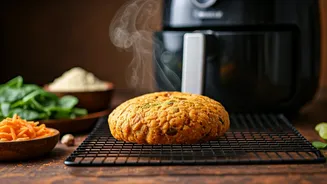
The air fryer has become the undisputed champion of healthy-ish cooking, and it works wonders for pakodas. By circulating hot air at high speed, it creates a crisp, golden-brown exterior that mimics the texture of deep-frying with a fraction of the oil. The process is simple: prepare your standard pakoda batter, lightly coat your ingredients, spray or brush them with a minimal amount of oil, and let the air fryer do its magic. You’ll use about a teaspoon of oil instead of a whole kadhai full. The result is a surprisingly crunchy, much lighter pakoda that satisfies the craving without the greasy aftermath. They are best eaten immediately for maximum crispiness.
The Oven-Baked Method
If you don't own an air fryer, your oven is your next best friend. Baked pakodas are another excellent way to cut down on fat. To make them, preheat your oven to a high temperature (around 200°C), place small dollops of your pakoda batter on a baking sheet lined with parchment paper, and lightly spray them with oil. Bake for 15-20 minutes, flipping them halfway through to ensure they cook evenly. While baked pakodas might not achieve the exact same deep-fried crunch, they develop a delightful roasted flavour and a pleasantly firm texture. They are perfect for those who prioritise low oil content above all else.
Smart Flour and Ingredient Swaps
The innovation doesn't stop at the cooking method. What goes into the batter is just as important. While the traditional besan (chickpea flour) is already a nutritious, protein-rich choice, many are experimenting with other flours to boost the health quotient. Adding a portion of ragi (finger millet) or jowar (sorghum) flour can increase fibre and mineral content. Some even use oat flour for a different texture and added soluble fibre. Furthermore, this trend encourages packing your fritters with more vegetables. Finely shredded cabbage, carrots, bell peppers, or grated zucchini not only add flavour and colour but also increase the nutritional value, making each bite more wholesome.