








What Are Blood Biomarkers?
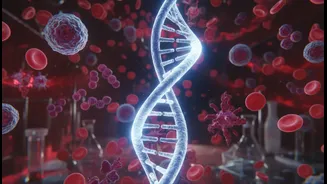
Think of blood biomarkers as tiny messengers in your bloodstream that carry vital information about your health. They are molecules, proteins, genes, or other substances that can be measured to signal normal or abnormal processes in your body. For example,
high blood sugar levels are a well-known biomarker for diabetes, while certain proteins can indicate a heart attack. Scientists are now discovering a vast new vocabulary of these biological signals, allowing them to decode our health with unprecedented precision. This involves looking for specific genetic material like DNA, proteins like tau and amyloid that are linked to Alzheimer's, or even whole circulating tumor cells that have broken away from a primary cancer.
A Revolution in Early Disease Detection
One of the most exciting promises of biomarker research is the ability to detect devastating diseases far earlier than ever before. For conditions like Alzheimer's and many cancers, symptoms often appear only after the disease is well-established, making treatment more difficult. Blood biomarkers are set to change that. Researchers are making incredible strides in developing tests that can spot the tell-tale signs of Alzheimer's, such as amyloid and tau proteins, in the blood long before cognitive decline begins. Recent studies have even identified RNA molecules in the blood that may predict the onset of Alzheimer's symptoms years in advance. Similarly, research into liquid biopsies aims to detect circulating tumor DNA shed by cancers, potentially enabling screening for multiple types of cancer from a single blood draw, a significant leap beyond current methods.
The Dawn of Truly Personalised Medicine
Beyond just detection, biomarkers are the key to unlocking personalized medicine. For too long, medicine has often taken a one-size-fits-all approach. But we all respond differently to treatments. Biomarkers can help explain why. By analyzing a patient's unique biological markers, doctors can predict which treatments are most likely to be effective and which might cause harmful side effects. This is already happening in oncology, where doctors use biomarkers on cancer cells to select targeted therapies that attack the cancer's specific vulnerabilities. For instance, certain breast cancer patients are tested for HER2 protein expression to determine if they will benefit from HER2-targeted drugs. In the future, this approach will become routine for a wide range of diseases, ensuring patients get the right drug at the right dose, the first time.
The Challenges on the Road Ahead
While the future is bright, there are still significant hurdles to overcome before these advanced biomarker tests become a routine part of your annual physical. Widespread implementation requires rigorous standardization to ensure tests are accurate and reproducible, no matter which lab performs them. There are also challenges in integrating these new, complex tests into existing healthcare workflows and educating clinicians on how to interpret the data. Furthermore, questions about cost, insurance coverage, and the ethical implications of predicting diseases without a cure need to be addressed. For example, a false positive could cause undue stress, while the discovery of a high-risk biomarker could have implications for insurance and employment. Researchers and regulators are actively working to address these issues to ensure the technology is rolled out responsibly.