





A River That Refuses to Be Tamed
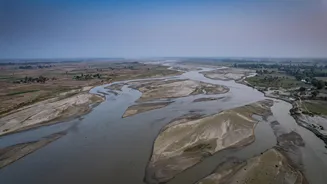
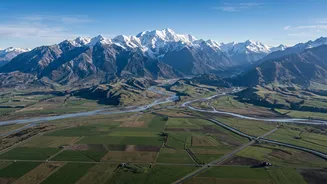
The Kosi is a transboundary river that originates as the Saptakoshi in the high Himalayas of Nepal and Tibet, fed by seven major tributaries. It flows through steep gorges, gathering immense power and, crucially, a massive amount of silt and sediment
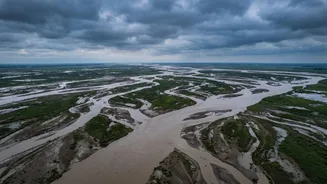
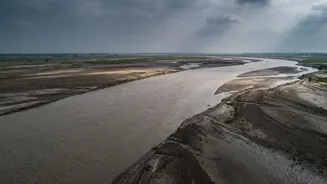
from the young, fragile mountains. By the time it descends onto the flat plains of North Bihar, it carries one of the highest sediment loads of any river in the world. This single characteristic is the primary reason for its destructive nature. Unlike other rivers that carve a stable path, the Kosi continuously deposits its heavy load of silt onto its own bed. Over time, the riverbed rises higher than the surrounding plains, making it inherently unstable and prone to breaking its banks to find a new, lower path.
A History Written in Shifting Courses
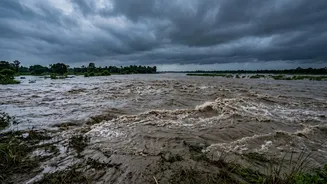
The Kosi’s tendency to dramatically change its course, a process known as avulsion, is legendary. Historical records and satellite imagery show that in the last 250 years, the river has shifted its path westwards by more than 120 kilometres, leaving a sprawling fan of old, dried-up channels in its wake. This means that communities that were once safe and far from the river can suddenly find themselves in its direct path. The most catastrophic modern example of this occurred on August 18, 2008. The river breached an embankment in Nepal and diverted the majority of its flow into a channel it had abandoned over a century ago. The sudden shift unleashed a torrent of water into areas that were densely populated and completely unprepared, turning vast swathes of land into an inland sea overnight.
The Unspeakable Human Cost
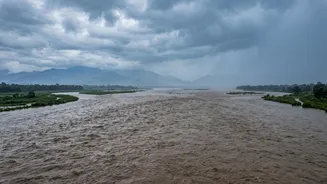
The 2008 flood was declared a national calamity. It affected more than three million people, submerging thousands of villages and destroying hundreds of thousands of homes. But this was just one event in a long history of devastation. The annual floods inundate around 21,000 square kilometres of fertile agricultural land, destroying crops and livelihoods. The sand and silt deposited by the floodwaters can render farmland barren for years, trapping generations in a cycle of poverty. Families lose their homes, livestock, and all their possessions. The constant threat of displacement and loss creates immense social and economic distress, leading to migration, debt, and a perpetual struggle for survival. It is this recurring, widespread, and life-altering devastation that gives meaning to the name 'Sorrow of Bihar'.
Can the Sorrow Be Eased?
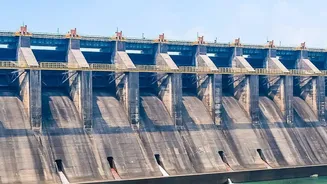
Efforts to control the Kosi began in earnest in the 1950s with the construction of barrages and embankments on both sides of the river, designed to jacket its flow and protect the surrounding land. However, these engineering solutions have had mixed success. While they offer protection in some years, they also prevent the river from depositing its silt across a wide floodplain. Instead, the sediment accumulates within the embankments, raising the riverbed even faster and making any potential breach more catastrophic. These embankments have breached multiple times since they were built, proving that containing a river as powerful and dynamic as the Kosi is a monumental challenge. Experts argue that rather than trying to tame the river completely, a new approach of learning to live with the floods may be necessary.