



A World Reawakened
After a three-month hiatus from July to September, most of India's premier national parks and tiger reserves throw open their gates in October. This period marks the end of the heavy rains that force their closure, allowing the ecosystem to rejuvenate
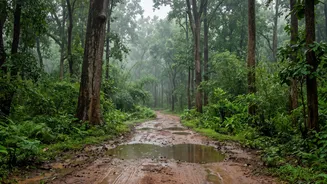
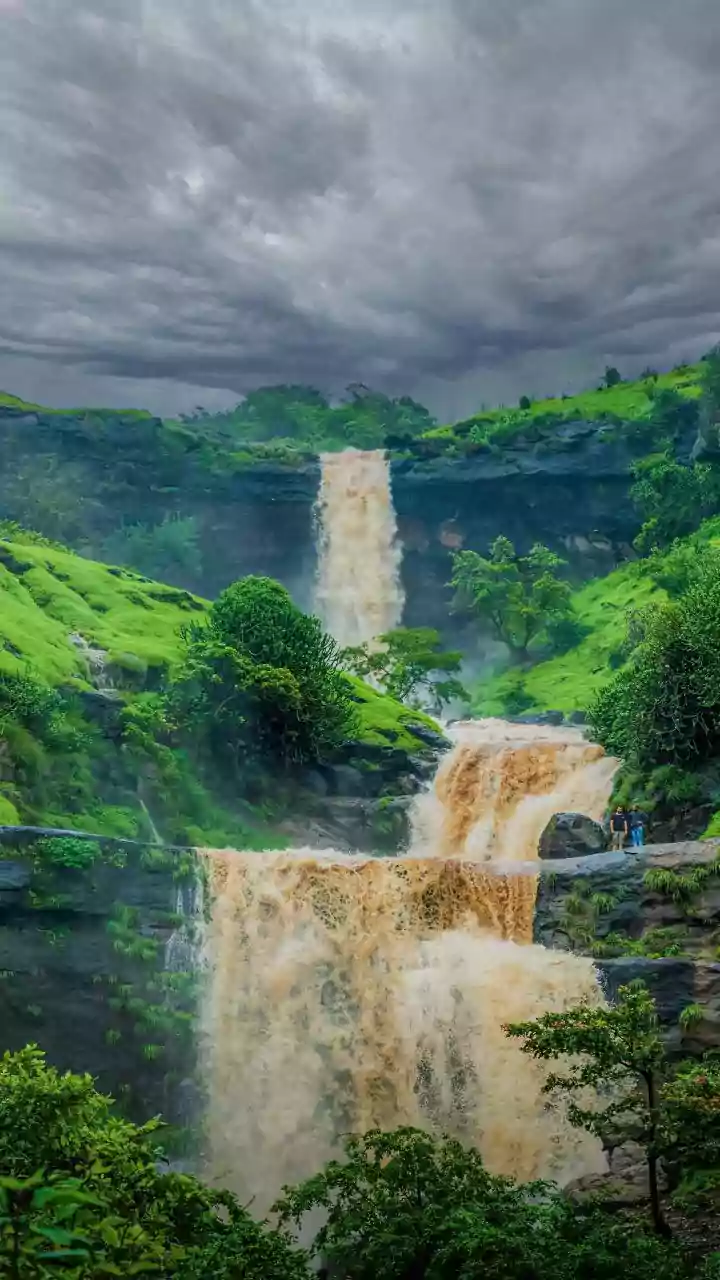
without human interference. For visitors, the reward is immediate: a world washed clean, where the air is fresh and the scent of wet earth lingers. The forests are at their most visually stunning, draped in countless shades of green, with grasslands transformed into lush meadows and water bodies brimming with life. This isn't just a change of scenery; it’s a sensory immersion into a wilderness that feels entirely new and alive.
The Lush Green Advantage
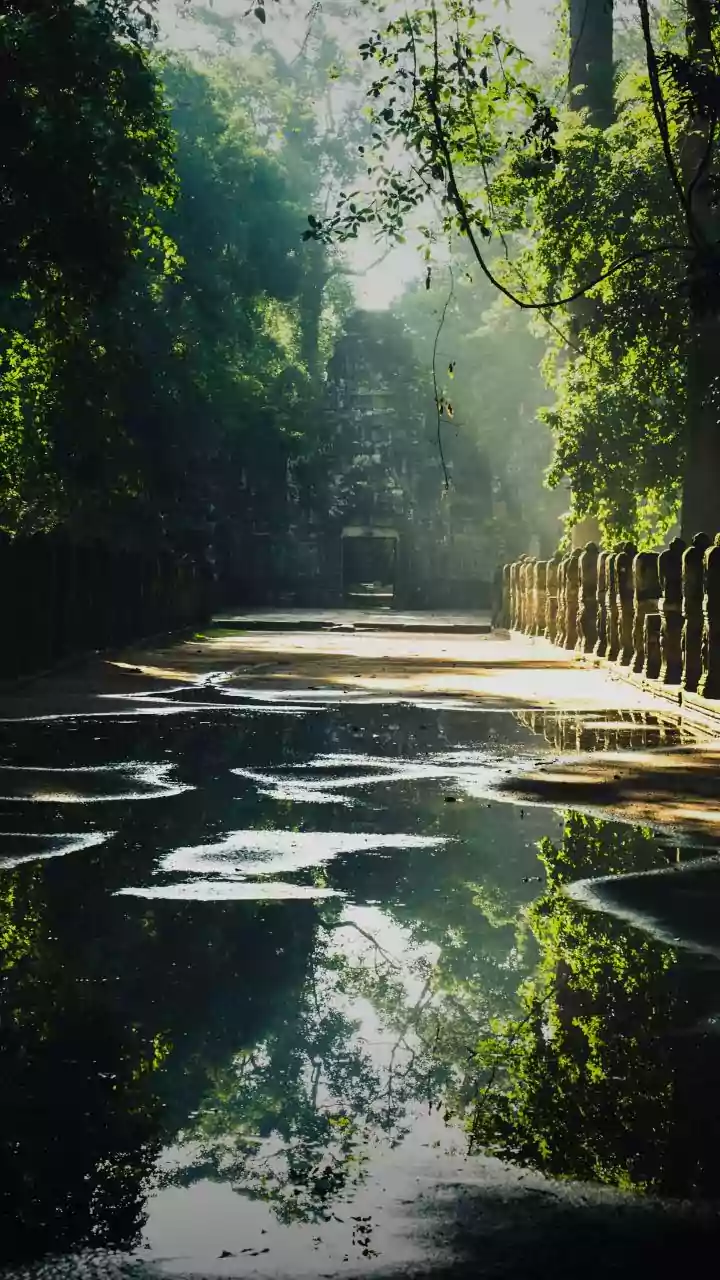
The most striking feature of a post-monsoon safari is the landscape itself. For photographers and nature lovers, the vibrant, emerald canopy provides a breathtaking backdrop. The dust of the dry season is gone, replaced by a clean, crisp atmosphere. Initially, visitor numbers can be lower than in the peak winter months, offering a more serene and personal experience with nature. This period is also a haven for birdwatchers, as many resident birds are active and the first waves of migratory species begin to arrive, filling the forests with song and colour. It’s a time when the focus shifts from just the big predators to the entire, thriving ecosystem.
The Thrill of the Sighting
While the jungle's beauty is undeniable, the dense, high vegetation after the monsoon can make spotting wildlife, particularly tigers, more of a challenge. However, this transforms the safari into a more rewarding pursuit. Rather than easy sightings, the experience becomes about tracking, listening for alarm calls from deer and monkeys, and following pugmarks on damp trails. Animals are also more dispersed, as water is plentiful everywhere and they don't need to congregate at a few waterholes. But this challenge is part of the allure, making each sighting—whether it's a tiger moving silently through the tall grass or a herd of elephants bathing in a full lake—feel earned and exceptionally special.
Prime Parks for an October Start
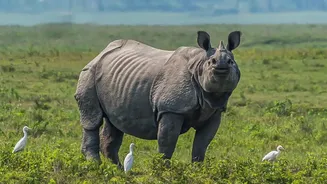
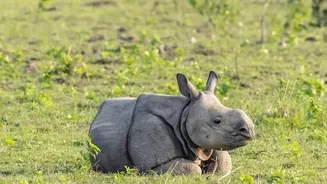
Several of India’s top parks reopen in October, each offering a unique experience. Ranthambore in Rajasthan, reopening October 1, is known for its replenished lakes where tigers are often spotted. In Madhya Pradesh, the 'tiger state', parks like Bandhavgarh and Kanha reopen around mid-October, famous for their high tiger densities and stunning sal forests. In Uttarakhand, the legendary Jim Corbett National Park begins a phased reopening, with some zones accessible from mid-October. Further east, Kaziranga in Assam, a UNESCO World Heritage Site, also reopens in October, offering incredible views of the one-horned rhinoceros against a rejuvenated landscape.
Wildlife on a Rejuvenated Stage
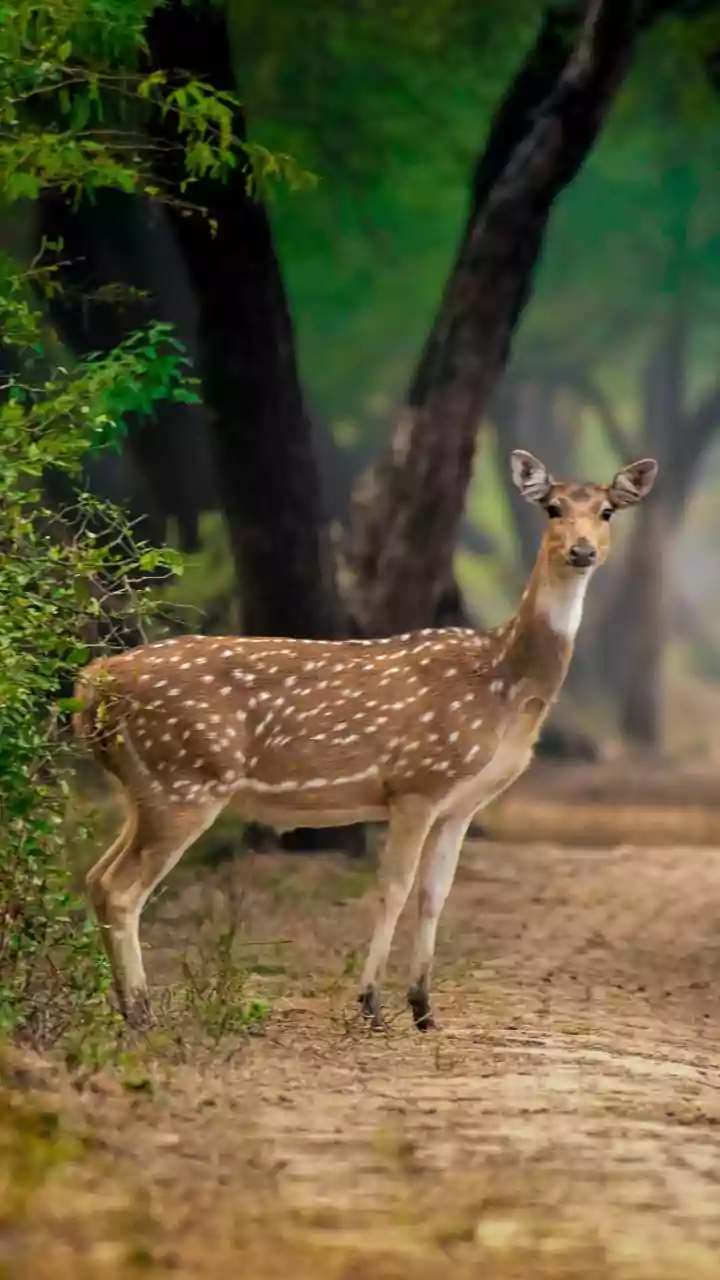
The post-monsoon period brings specific animal behaviours to the forefront. Young tiger cubs, born earlier in the year, begin to explore their surroundings more confidently. Herbivores like spotted deer, sambar, and gaur (Indian bison) are seen in peak condition, grazing on abundant fresh grass. Reptiles are active, and the air hums with insect life, providing a feast for birds. While the tiger remains the star attraction, this season is a fantastic opportunity to appreciate the full spectrum of fauna, from majestic elephants and elusive leopards to sloth bears and countless species of deer and antelope. The entire food chain is on vibrant display.
Planning Your Post-Monsoon Safari
If you're planning a trip during this window, it's wise to book safaris and accommodation in advance, as the reopening dates are highly anticipated. The weather is generally pleasant, but can be unpredictable. Pack light layers for cool mornings and evenings, alongside a waterproof jacket for the occasional leftover shower. An experienced naturalist or guide is invaluable during this season; their ability to read the signs of the forest is key to navigating the dense foliage and finding wildlife. Remember to look beyond just the tiger and embrace the forest in its entirety—the sounds, the smells, and the lush, green beauty.