



The Bodyweight Foundation
Your own body is the most powerful and convenient piece of workout equipment you own. Bodyweight exercises are incredibly effective for building strength, improving endurance, and enhancing flexibility. They are also inherently safer as you are working
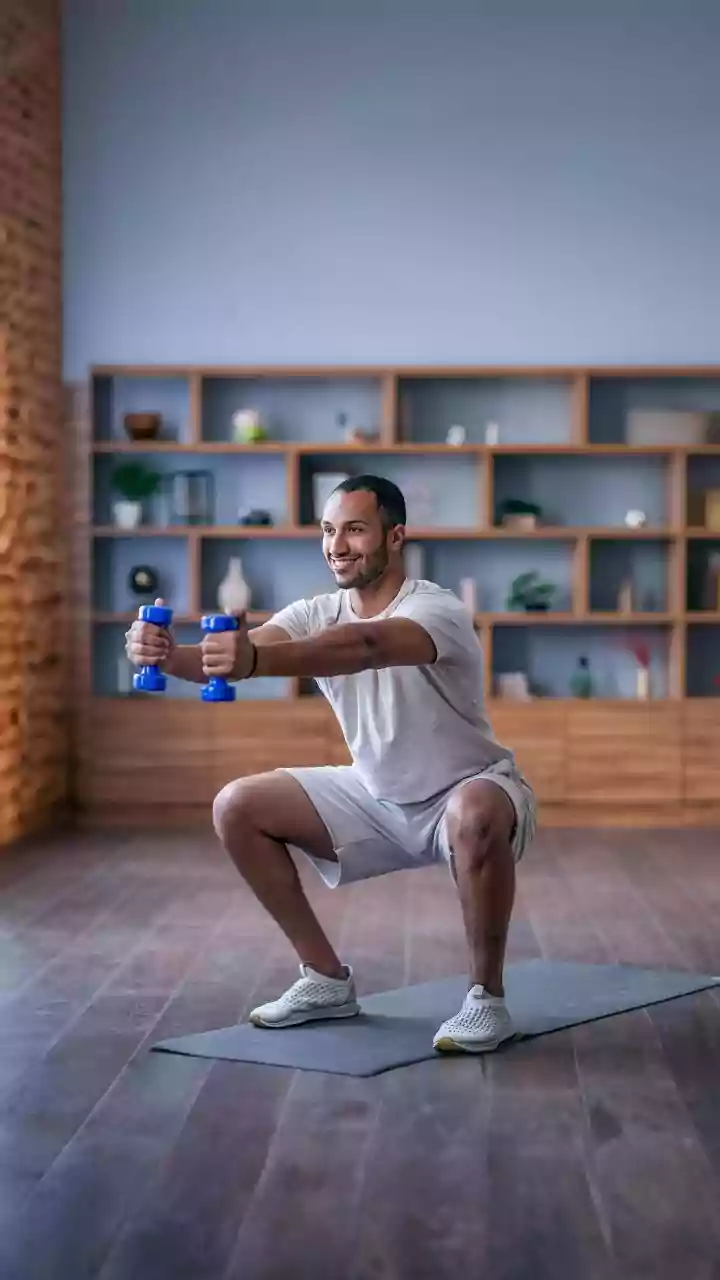
against your own resistance. Start by mastering the fundamentals. Exercises like squats, lunges, push-ups, and planks form a solid base for any routine. They target all major muscle groups and can be done in a space as small as a yoga mat. For example, a proper squat engages your quads, glutes, and core, while a push-up strengthens your chest, shoulders, and triceps. Research shows that this type of training helps build muscle just as effectively as using external weights.
Cardio Without the Treadmill
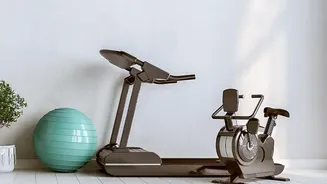
Cardiovascular health is crucial, but you don't need a bulky treadmill or elliptical to get your heart rate up. High-intensity exercises that can be done on the spot are perfect for small spaces. Think of classics like jumping jacks, high knees, and burpees. Mountain climbers are another excellent choice, engaging your core while providing a serious cardio challenge. If you have neighbours below and need quieter options, you can perform 'no-jump' versions of these exercises. For instance, instead of jumping jacks, step your feet out to the side one at a time. Many apartment-friendly routines focus on continuous movement without the high impact.
Minimal Gear, Maximum Impact
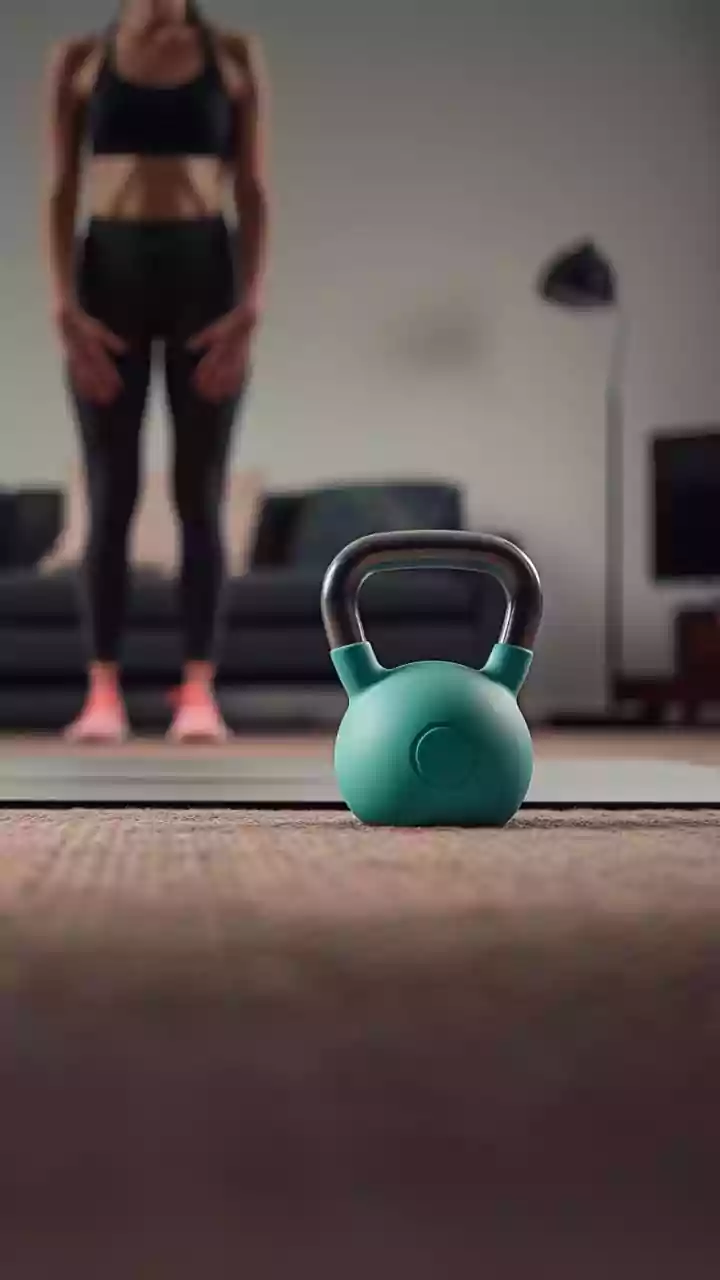
While not strictly necessary, a few small, affordable pieces of equipment can significantly expand your workout possibilities. Resistance bands are a fantastic, space-saving tool for adding resistance to both upper and lower body exercises. They are perfect for toning muscles and improving flexibility. A single kettlebell or a pair of adjustable dumbbells can replace a whole rack of weights, allowing for exercises like swings, presses, and rows. Many Indian fitness brands like Boldfit, Yufit, and Kobo offer compact, high-quality gear ideal for home use. A good quality yoga mat is also a worthy investment, providing comfort and a designated space for your floor exercises and stretches.
Structuring Your At-Home Workout
Consistency is key, so creating a structured plan is vital for success. A full-body workout three times a week is an efficient and effective approach for most people. A balanced session should include a mix of movements: a squat variation (lower body), a push movement (upper body), a pull movement, a hinge (like a glute bridge), and a core exercise. For example, a simple circuit could be: 3 sets of 15 squats, 3 sets of 10 push-ups, and 3 sets of a 30-second plank. Aim to perform each exercise with proper form before increasing repetitions or intensity. As you get stronger, you can add more challenging variations or incorporate the minimal gear you've acquired.
Flexibility and Mindful Movement
Don't forget to warm up before each session and cool down afterward. Stretching is crucial for improving range of motion and preventing injury. Practices like Yoga and Pilates are excellent for small spaces, as they enhance flexibility, body awareness, and core strength with minimal jumping or noise. Simple stretches targeting your hamstrings, chest, and back can be done on your mat. Taking just five to ten minutes to stretch after your workout aids muscle recovery and helps you wind down, completing a well-rounded fitness session right in the comfort of your own home.