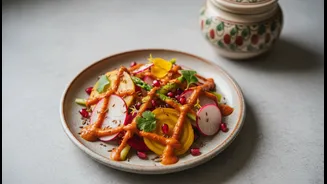

From Condiment to Core Ingredient
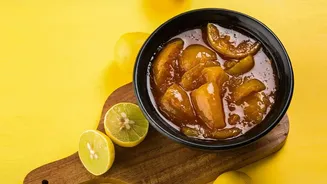
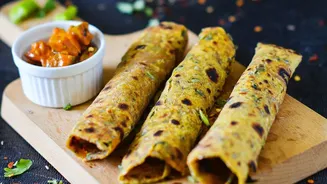
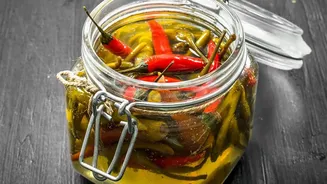
For generations, Indian pickles (achar) have been a beloved accompaniment, adding a burst of flavour to meals like dal-chawal or parathas. But a delicious transformation is underway. The intense and layered flavours packed into every jar—sour, spicy,
sweet, and umami-rich from fermentation—are being deconstructed and used as foundational elements in contemporary cooking. Chefs and food innovators are looking beyond the pickle as a whole, isolating its spicy oil, tangy brine, or pungent spice blend to create entirely new culinary experiences. This shift moves achar from the side of the plate to the very heart of the recipe.
The 'Achaari' Flavour Revolution
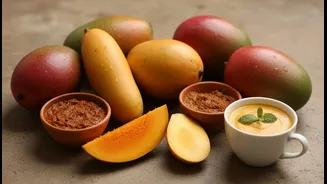
The term 'achaari' has long been used to describe dishes cooked with pickling spices. Today, that concept is exploding in creativity. Imagine a creamy mayonnaise infused with the pungent kick of mango pickle, creating an 'achari mayo' that transforms a simple sandwich or wrap. This fusion is becoming increasingly popular, with products like achari mayonnaise appearing on store shelves and in recipes from celebrity chefs. Similarly, the spice blend from a classic Punjabi mango or mixed vegetable pickle is being used to marinate everything from paneer to chicken, lending a familiar yet surprising tang to grilled appetisers and main courses. A simple raita can be elevated by stirring in a spoonful of lemon pickle, creating a complex dipping sauce in seconds.
Spotlight on Regional Stars
The trend shines a light on the incredible diversity of India's regional pickling traditions. In the South, the famously fiery and sour notes of Andhra's Gongura pickle, made from sorrel leaves, are finding their way into biryanis and even smeared inside dosas for an extra layer of flavour. Chefs are harnessing its unique tang to create sauces that pair beautifully with both vegetarian and meat dishes. In the West, the sweet and spicy profile of Gujarati chhundo is being micro-planed and folded into yogurt to create a sweet-hot dip. Meanwhile, the brine from various pickles is gaining a life of its own, particularly in cocktail bars where it adds a savoury, salty kick to drinks, a nod to the age-old 'pickleback' shot.
Why Now? A Taste for Tradition and Health
This culinary movement is driven by several factors. There is a growing global interest in fermented foods and their associated health benefits, such as promoting gut health. Traditional Indian pickles, many of which rely on natural lacto-fermentation, fit perfectly into this narrative. Consumers are increasingly drawn to bold, complex flavours over simple sweetness or saltiness, and pickles deliver an entire spectrum of taste sensations. Furthermore, there is a renewed sense of pride and curiosity in regional Indian food traditions. By incorporating pickle flavours into modern dishes, chefs are celebrating a culinary heritage that has been passed down through generations while making it accessible and exciting for a new audience.