








More Than Just Immunity
For decades, Vitamin C has been the go-to supplement during sniffle season, celebrated for its immune-boosting properties. It's a powerful antioxidant that our bodies can't produce on their own, meaning we must get it from our diet. While its role in maintaining
healthy skin and supporting the immune system is well-known, a growing body of research highlights its indispensable function in neurological health. The brain, being the most metabolically active organ in the body, is particularly vulnerable to damage from free radicals and oxidative stress. This is where Vitamin C steps in, acting as a crucial line of defence.
The Brain's Guardian Angel
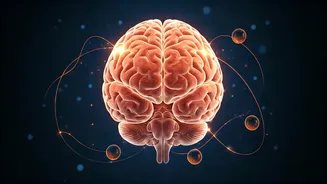
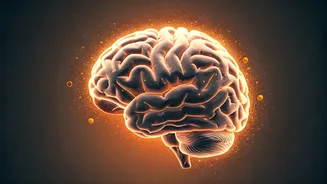
Your brain has a surprisingly high concentration of Vitamin C—higher than almost any other part of the body. This isn't an accident. It actively pulls the vitamin from the bloodstream to serve several vital functions. Primarily, it acts as a potent antioxidant, neutralizing harmful free radicals that are a natural by-product of the brain's high energy consumption. Unchecked, this 'oxidative stress' can damage brain cells, contributing to inflammation and the cognitive decline associated with ageing. By protecting neurons from this damage, Vitamin C helps maintain the very structure and integrity of the brain, supporting long-term cognitive health.
A Key Player in Mood and Focus
Beyond its protective role, Vitamin C is a key ingredient in the synthesis of critical neurotransmitters. Think of it as a vital co-factor in the brain's chemical factory. For instance, it's essential for converting dopamine into norepinephrine, a neurotransmitter that is crucial for attention, focus, and regulating mood. Low levels of norepinephrine are linked to feelings of fatigue, lack of concentration, and even depression. Therefore, ensuring adequate Vitamin C intake is not just about physical health; it's about providing your brain with the raw materials it needs to create the chemical balance required for mental clarity, alertness, and a stable mood.
Signs You Might Be Lacking
Severe Vitamin C deficiency, known as scurvy, is rare in modern India. However, 'sub-optimal' intake is much more common and can have subtle effects on your brain. Are you often feeling fatigued, irritable, or finding it hard to concentrate? While many factors can contribute to these feelings, they are also classic signs of insufficient Vitamin C levels. Other clues might include slow wound healing, easy bruising, or frequent minor infections. The recommended daily allowance (RDA) for adults is generally around 65-90 milligrams, but some researchers argue that for optimal brain function, a higher intake might be beneficial, especially for smokers or those under significant stress, as these factors can deplete Vitamin C levels in the body.
Boosting Your Intake, The Smart Way
Before you reach for a supplement bottle, the best way to increase your Vitamin C is through your diet. Not only do you get the vitamin in its natural form, but you also benefit from the fibre, phytonutrients, and other vitamins present in whole foods. While citrus fruits like oranges and lemons are famous sources, many other foods are even more packed with this brain-boosting nutrient. Think red and yellow bell peppers, which are champions of Vitamin C content. Other excellent sources include amla (Indian gooseberry), guava, kiwi, strawberries, broccoli, tomatoes, and leafy greens like spinach. Incorporating a variety of these colourful foods into your daily meals is the most effective and delicious strategy for ensuring your brain gets all the Vitamin C it needs to thrive.