







What Exactly Is This Fluffy Creation?
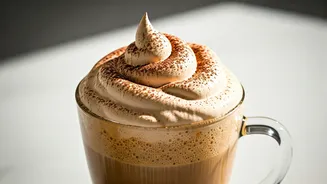
At its heart, cloud coffee is a simple but ingenious creation. It consists of a thick, velvety foam made by vigorously whipping instant coffee, sugar, and a small amount of hot water together. This fluffy, cloud-like topping is then dolloped generously
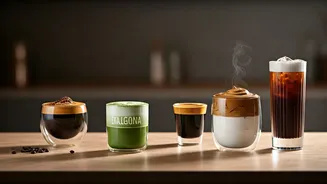
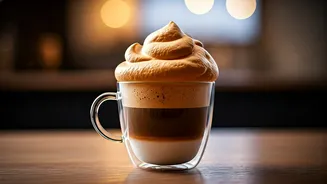
over a glass of cold milk (or a plant-based alternative). The result is a striking, layered drink that’s as much a visual experience as it is a caffeinated one. Many will recognise its similarity to Dalgona coffee, the DIY sensation that took over home kitchens during the 2020 lockdowns. Cloud coffee is essentially the professional, café-perfected evolution of that trend, offering a smoother, more consistent texture and presentation that’s harder to achieve at home. The name says it all: it's light, airy, and sits like a soft cloud on top of the milk.
Brewed for the Instagram Age
A huge part of cloud coffee's meteoric rise can be attributed to one thing: it looks incredible on camera. In a world where we eat (and drink) with our eyes first, cloud coffee is a superstar. The distinct separation between the dark, rich foam and the crisp white milk creates a beautiful contrast that’s undeniably photogenic. Unlike a standard iced latte, which quickly blends into a uniform beige, cloud coffee holds its layers, begging to be snapped and shared. This "Instagrammability" is a powerful driver of trends in today's food culture. When a drink looks this good, customers become marketers, posting it on their stories and feeds, which in turn creates a cycle of desire and curiosity. Cafés have leaned into this, often serving it in clear glasses to show off its stunning architecture.
Iced Latte vs. Cloud Coffee
So, how does the newcomer stack up against the reigning champion? While both are cold, milky coffee drinks, the experience is completely different. An iced latte is typically a shot of espresso poured over ice and milk, resulting in a smooth, integrated, and consistently milky flavour from the first sip to the last. It’s reliable and refreshing. Cloud coffee, on the other hand, is a drink of contrasts. The first sip is an intense hit of strong, sweet, and foamy coffee from the whipped topping. As you drink, the foam slowly melts and blends into the milk below, changing the flavour profile. The texture is the biggest differentiator: an iced latte is liquid and smooth, while cloud coffee offers a delightful journey from airy foam to creamy liquid. It's less about a single, consistent taste and more about the interactive experience of mixing the layers together.
From Lockdown Trend to Café Staple
The origin story of cloud coffee is key to understanding its current appeal. The Dalgona coffee craze swept the globe when people were stuck at home, looking for small joys and new hobbies. Whipping up that frothy coffee became a shared cultural moment, a simple luxury made with pantry staples. Now, as life has returned to normal, that comforting memory has been elevated. Cafés have taken the basic concept and perfected it, using better quality coffee, precise sugar-to-water ratios, and powerful equipment to create a superior foam. For customers, ordering a cloud coffee is both nostalgic and novel. It’s a taste of a familiar DIY project but executed with professional flair, saving them the effort of all that whisking. It successfully bridged the gap from a viral home recipe to a legitimate menu item.
A Win-Win for Customers and Cafés
For coffee lovers bored with the usual options, cloud coffee provides a welcome change of pace. It’s an affordable indulgence that feels special and offers a new sensory experience. The texture is unique, and the gradual mixing of foam and milk makes each sip a little different. For café owners, it's a brilliant menu addition. The core ingredients—instant coffee, sugar, milk—are inexpensive, making it a high-margin item. Furthermore, its trendiness and visual appeal act as free marketing, drawing in a younger demographic eager to try the latest viral sensation. It’s a drink that doesn’t just sell itself but also promotes the café that serves it with every photo shared online. This symbiotic relationship between aesthetic appeal and commercial viability is why it's not just a fleeting trend but a fixture on café menus across India.