




The Spiritual Heartbeat of the Mela
The origins of the Pushkar Mela are deeply rooted in Hindu mythology and faith. Legend holds that the sacred Pushkar Lake was created where the creator god, Lord Brahma, dropped a lotus flower. The fair is strategically timed to coincide with Kartik Purnima,
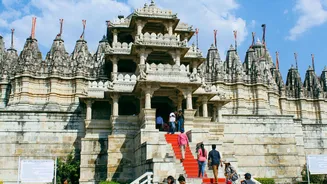
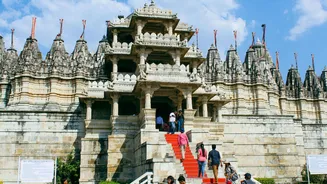
the full moon of the Hindu month of Kartik, which in 2026 falls on November 24th. It is believed that during this auspicious period, a dip in the holy lake cleanses sins and bestows salvation, drawing thousands of pilgrims to its 52 ghats. This religious gathering forms the spiritual core of the entire event, culminating in the Maha Aarti, an evening prayer ceremony where countless lamps are set afloat on the water, creating a divine spectacle. The town is also home to one of the world's very few temples dedicated to Lord Brahma, making it a pivotal pilgrimage site.
The World's Most Famous Camel Fair
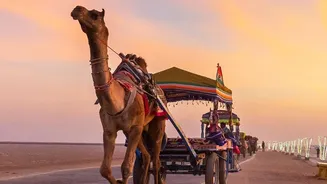
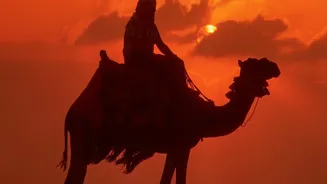
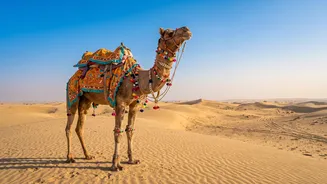
While pilgrimage draws the faithful, it is the livestock trading that gives the Mela its most iconic identity. Historically, the gathering of pilgrims provided a natural marketplace for herders from across Rajasthan to trade camels, horses, and cattle. This practical beginning has since evolved into one of the world's largest and most famous camel fairs. The first half of the fair, from November 17th to 20th in 2026, is dominated by the arrival of thousands of animals and the brisk trade that follows. For many visitors and photographers, the sight of decorated camels against the desert dawn is the defining image of Pushkar. However, herders have noted a decline in younger generations participating, raising questions about the future of this traditional trade.
A Kaleidoscope of Cultural Competitions
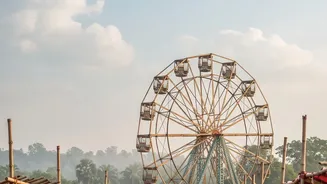
As the livestock trading winds down, the fair transitions into a vibrant cultural festival organised by Rajasthan's tourism department. The Mela grounds erupt with a series of unique and photogenic competitions. There are camel and horse races, dance competitions, and elaborate decoration contests where animals are adorned with intricate patterns, tassels, and mirrors. Beyond the animal-centric events, the fair hosts a range of quirky and beloved competitions for people. These include the famous 'longest moustache' competition, turban-tying contests, and the 'matka phod' event, drawing enthusiastic participation from locals and tourists alike. A friendly tug-of-war match between a team of locals and foreign tourists is another popular highlight.
From Folk Music to Hot Air Balloons
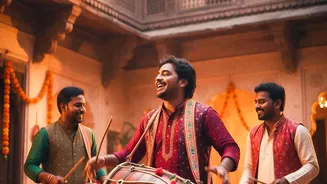
The evenings at Pushkar Mela are a feast for the senses, filled with the sounds of Rajasthani folk music and dance. Performances by renowned communities like the Langa and Kalbelia fill the air with soulful desert melodies. Beyond the traditional, the fair has embraced modern attractions to cater to a global audience. Hot air balloon rides at sunrise offer breathtaking panoramic views of the sprawling fairgrounds, the tent city, and the surrounding Aravalli hills. The Shilpgram, a dedicated craft village, showcases the best of Rajasthani handicrafts, textiles, and cuisine, providing a marketplace for artisans. This fusion of ancient traditions with contemporary tourism experiences is what makes the Pushkar Mela a continually evolving and globally recognised event.