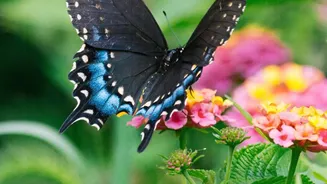



Have you noticed more large, colourful butterflies fluttering around your balcony pots and garden beds lately? You're not imagining it. There's a beautiful ecological story unfolding, and it explains why swallowtails are becoming frequent visitors.
A Perfect Convergence
The
increased presence of swallowtail butterflies in urban gardens is not a single-cause event but a perfect convergence of two major trends: shifting seasonal patterns and the quiet rise of urban greening. As our cities expand, small pockets of nature—like residential gardens, balconies, and community parks—are becoming critical lifelines for pollinators. These spaces, often packed with a diverse range of flowers, act as vital 'refuelling stations' in what can otherwise be a concrete desert for wildlife. Simultaneously, changes in our climate are altering the life cycles and behaviours of insects. For many butterflies, including the majestic swallowtail, these changes are rewriting their seasonal calendar, leading them directly to the floral banquet offered in our backyards and on our terraces.
The Life of a Swallowtail
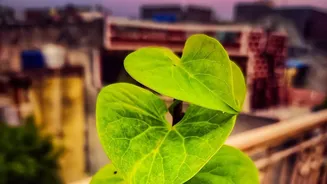
To understand why they're visiting, we first need to know what swallowtails are looking for. Like all butterflies, they have a four-stage life cycle: egg, larva (caterpillar), pupa (chrysalis), and adult. Each stage has different needs. The adult butterfly, the winged beauty we all recognise, primarily seeks nectar from flowers for energy. However, a female butterfly is also constantly searching for specific 'host plants' on which to lay her eggs. For many common Indian swallowtails, like the Common Mormon, this host plant is the humble curry leaf tree (Kadi Patta). For others, it might be plants from the citrus family or fennel. A garden that provides both nectar-rich flowers for adults and the right host plants for caterpillars becomes a complete ecosystem, encouraging butterflies not just to visit, but to stay and breed.
How Seasonal Shifts Play a Role
Climate change is leading to subtler, longer autumns and milder winters. In India, this often translates to an extended post-monsoon period where conditions remain favourable for plant growth and insect activity. This extended warmth can allow for an extra generation of butterflies to emerge later in the year. This final generation finds itself in a landscape where wild food sources may be dwindling, making the ever-blooming flowers in managed urban gardens particularly attractive and important. These late-season butterflies are often seen visiting flowers like marigolds, zinnias, and pentas, which continue to bloom profusely well into the cooler months. This creates the impression of a sudden 'boom' in butterfly numbers, when it's really an extension of their active season.
The Urban Oasis Effect
Cities are often seen as biodiversity deserts, but that's changing. Studies have shown that a collection of urban gardens can have a higher diversity of flowering plants than some natural habitats. This makes them incredibly valuable to pollinators. For a swallowtail navigating a cityscape, a balcony full of hibiscus and lantana or a small patch of marigolds is a vibrant, life-saving beacon. These gardens create a network of 'stepping stones', allowing pollinators to move through urbanised areas that would otherwise be hostile. Even a few pots on a windowsill contribute to this corridor effect, providing a crucial pit stop for a travel-weary butterfly. Collectively, these small efforts build a resilient, interconnected habitat within the city itself.