






The Myth of the Massive Menu
A menu that stretches for pages might seem impressive, but it can be a hidden red flag for diners. To support a vast array of dishes, a restaurant must keep a large and varied inventory. This often means relying on frozen or long-life ingredients rather
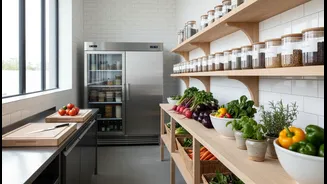
than fresh produce. The larger the stockroom, the higher the risk of ingredients sitting on shelves for extended periods, losing their flavour and nutritional value. This approach not only compromises quality but also contributes to significant food waste. Lean inventory management, a concept borrowed from manufacturing, flips this idea on its head by keeping just enough stock to meet demand, thereby eliminating waste and inefficiency.
Freshness Through Focus
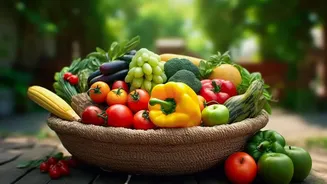
The core advantage of a smaller inventory is the direct line to freshness. Restaurants that operate with this model buy ingredients in smaller quantities and more frequently. This approach is the backbone of the farm-to-table movement, where chefs build their menus around what is available and at its peak from local suppliers. By aligning menus with seasonal harvest cycles, chefs ensure their ingredients are at their best, offering vibrant textures and authentic flavours. This 'just-in-time' system means the vegetables on your plate might have been in the ground only a day or two earlier, and the fish was caught that morning. The result is a palpable difference in taste that pre-packaged or frozen foods simply cannot replicate.
A Catalyst for Kitchen Creativity
A limited pantry doesn't stifle creativity; it fuels it. When chefs aren't bound by a fixed, year-round menu, they have the freedom to innovate. Working with a smaller, rotating selection of seasonal ingredients forces them to be more adaptable and inventive. If a particular vegetable has an exceptional week, it might become the star of a limited-time special. This dynamic approach keeps the menu exciting for both the kitchen staff and regular customers. It encourages techniques like using the whole ingredient to minimize waste and extract maximum flavour, turning scraps that might otherwise be discarded into rich stocks and sauces. This philosophy transforms constraints into a source of culinary inspiration.
A Smarter, More Sustainable Business
Beyond the plate, lean inventory is a financially and environmentally responsible strategy. Food waste is a massive cost for the restaurant industry, both in lost profits and environmental impact. By ordering only what is needed, restaurants drastically reduce spoilage. This not only cuts down on waste but also frees up cash that would otherwise be tied up in overstocked shelves. Better inventory control also leads to more efficient kitchen operations, less risk of theft, and a more organized workspace. For every dollar spent on reducing food waste, restaurants can save multiple dollars in return, making it a clear win for the bottom line and the planet.
What It Means for You, the Diner
So, the next time you encounter a restaurant with a concise, one-page menu that changes often, see it as a positive sign. It likely indicates a kitchen that values quality over quantity and respects the ingredients it uses. You are more likely to get a meal that is fresh, flavourful, and thoughtfully prepared. A shorter menu often means the kitchen team can master each dish, ensuring consistency and excellence. It suggests a chef who is confident in their ability to create outstanding food with the best ingredients available that day, rather than relying on a sprawling list of compromises. It’s an invitation to trust the chef's vision and enjoy a meal that truly reflects the season.