





Warming, Protective Spices
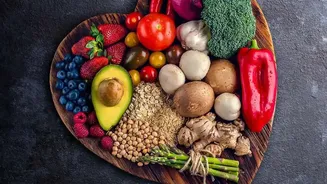
Spices are at the heart of an Indian kitchen, and during the monsoon, they become even more crucial. Ginger, turmeric, and garlic are a powerful trio for boosting immunity. Ginger is known for its anti-inflammatory benefits and can help soothe a sore
throat, a common monsoon ailment. Turmeric contains curcumin, a compound celebrated for its ability to strengthen the immune system and fight inflammation. Garlic is valued for its antibacterial properties, helping your body combat seasonal infections. Incorporating these spices generously into your daily cooking, from dals to vegetable preparations, is a simple and effective way to stay protected.
Light, Easy-to-Digest Grains and Lentils
According to both Ayurveda and modern nutrition, our digestive system tends to become sluggish during the humid monsoon months. Heavy meals can lead to bloating and indigestion. This is the perfect time to embrace light and nourishing options like moong dal, masoor dal, and khichdi. Khichdi, a simple dish of rice and lentils, is often considered the ideal monsoon food because it is easy on the stomach, provides a complete protein, and can be infused with digestive spices like cumin and ginger. Opting for grains like old barley and rice is also recommended.
Seasonal and Vitamin-Rich Fruits
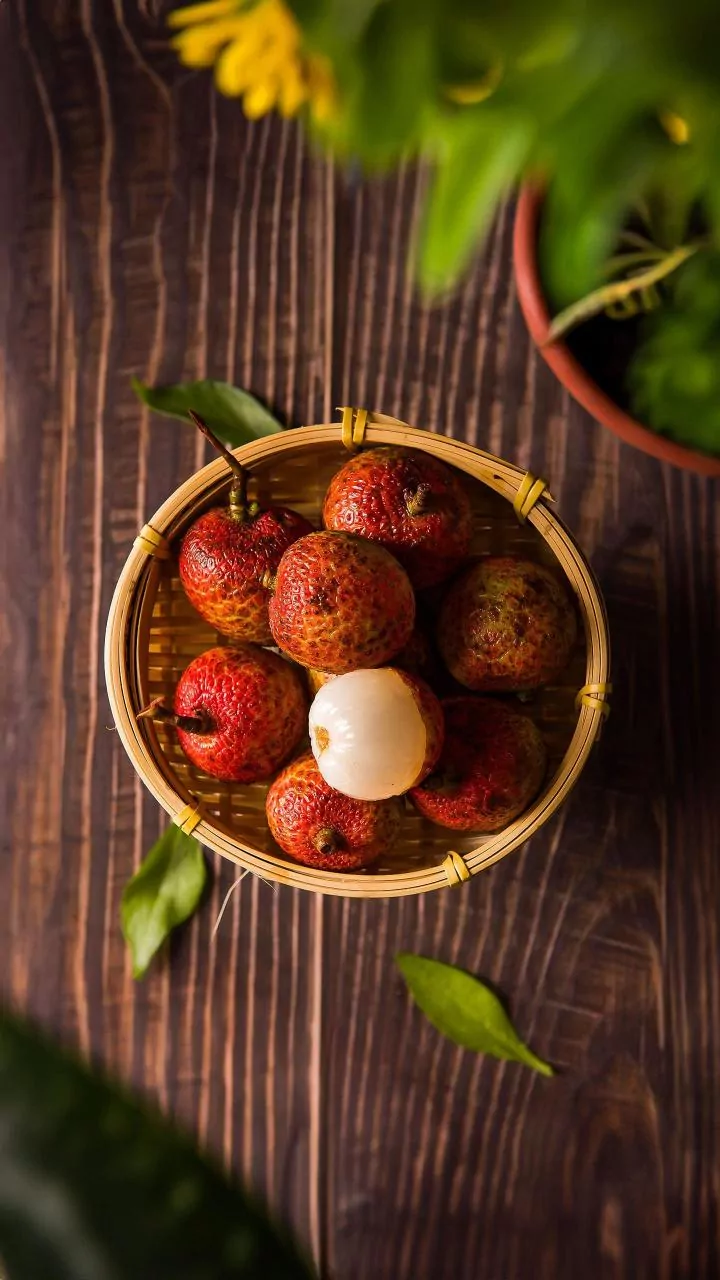
Embracing seasonal fruits is a delicious way to get a dose of essential vitamins and antioxidants. Look for fruits like jamun, pears, plums, cherries, and pomegranates. These fruits are rich in Vitamin C and other antioxidants that help strengthen your body's natural defences against illness. Pomegranates are particularly noted for their potent antimicrobial properties. One important rule for the monsoon is to wash all fruits thoroughly before eating and to prioritise fruits you can peel, like bananas, to minimise the risk of contamination.
Probiotics for a Healthy Gut
A significant portion of your immune system resides in your gut, making gut health paramount during the monsoon. Probiotic-rich foods like fresh, homemade curd (yoghurt) and buttermilk (chaas) help maintain a healthy balance of gut bacteria. This supports good digestion and helps your body fight off harmful pathogens. Spiced buttermilk, with a pinch of roasted cumin or mint, is a classic and refreshing digestive aid perfect for the season. However, it's advised to consume dairy products like curd during the day and ensure they are fresh, as they can spoil faster in humid weather.
Warm Soups and Herbal Teas
There's nothing more comforting on a rainy day than a warm beverage. During the monsoon, this comfort also comes with health benefits. Warm vegetable soups are an excellent way to stay hydrated and get essential nutrients. They are light, easy to digest, and help keep you warm. Similarly, herbal teas made with ingredients like tulsi (holy basil), ginger, mint, or black pepper can soothe the throat, aid digestion, and boost immunity. It's best to sip on warm or room-temperature water throughout the day and avoid ice-cold drinks, which can dampen the digestive fire.
Foods to Approach with Caution
Knowing what to limit is as important as knowing what to eat. It's generally advised to avoid or reduce your intake of raw leafy green vegetables during this season, as the high humidity and moisture make them more susceptible to germs and contamination. If you do eat them, ensure they are washed meticulously and cooked thoroughly. Street food, especially items like chaat that use untreated water, and pre-cut fruits should also be avoided due to a higher risk of water-borne diseases. Deep-fried and excessively oily foods are harder to digest and best enjoyed in moderation.