



1. Ignoring Weather and Road Alerts
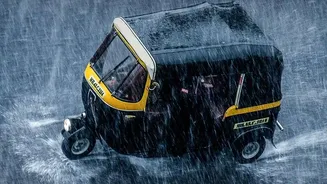
The most significant error travellers make is underestimating the monsoon's power. What starts as a light drizzle can escalate into a downpour, causing flash floods and landslides, especially in hilly or coastal areas. Before you leave and each morning
of your trip, check official weather forecasts and local traffic updates. Many regions have specific advisories regarding road closures or dangerous conditions. Ignoring these warnings not only risks getting stranded but can also be extremely dangerous. A well-planned monsoon holiday needs to be flexible to accommodate sudden weather changes.
2. Choosing an Inappropriate Destination
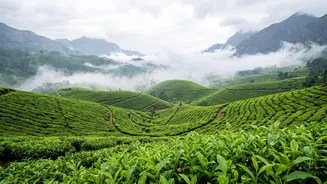
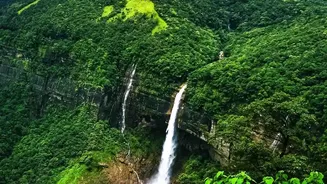
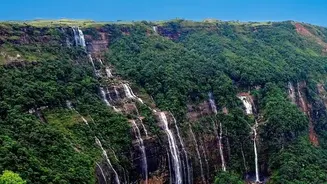
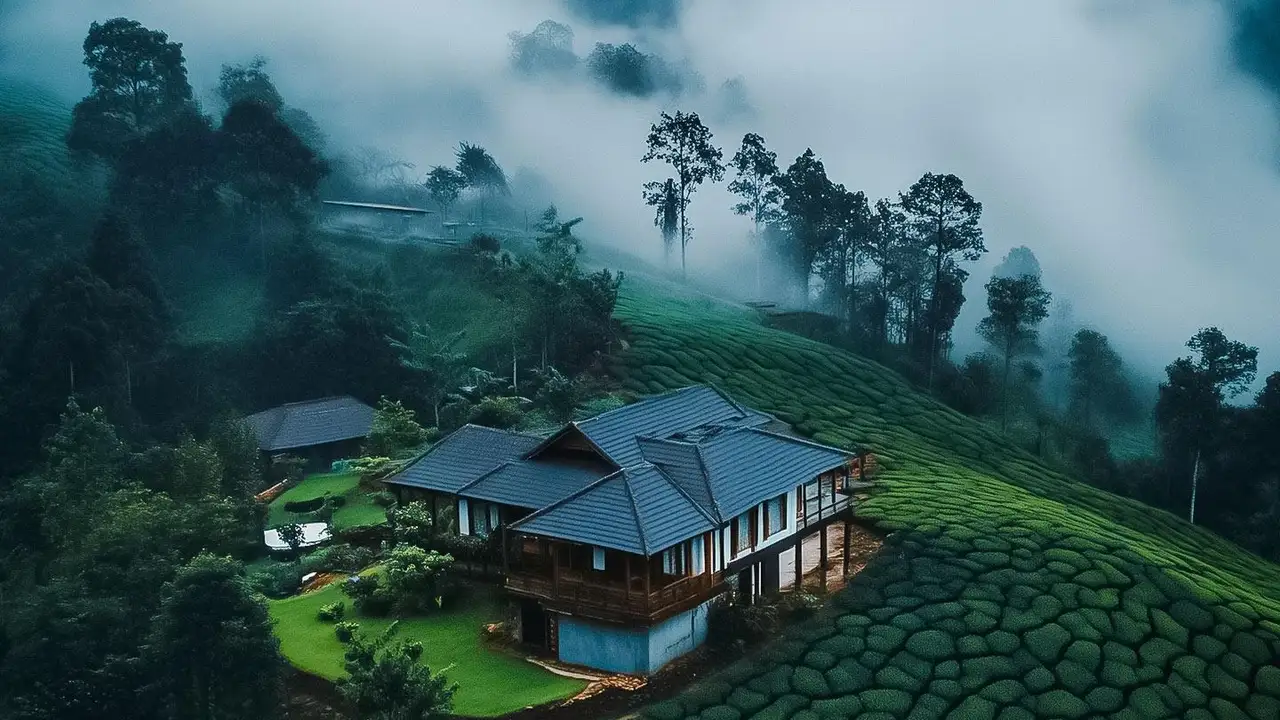
While many destinations in India are spectacular during the monsoon, not all places are suitable. Regions prone to severe flooding or landslides should be avoided. Instead of spontaneously picking a spot, do some research. Destinations like the Western Ghats (Lonavala, Mahabaleshwar), parts of Kerala, and certain areas in Rajasthan become incredibly scenic and are well-equipped for rainy season tourism. In contrast, trekking in high-altitude Himalayan regions can be treacherous during these months. Choosing a location known for its monsoon charm ensures you experience the best of the season safely.
3. Packing the Wrong Gear
Your usual travel wardrobe won't cut it for a monsoon trip. Wearing jeans, regular sneakers, or any clothing that retains water is a recipe for discomfort and can lead to fungal infections. The key is to pack light, quick-drying clothes. Synthetic fabrics are a better choice than cotton. A reliable raincoat and an umbrella are non-negotiable. Most importantly, invest in proper footwear. Choose waterproof shoes or sturdy, open-toed footwear with good grip, like floaters or rubber sandals, to navigate wet and slippery surfaces safely.
4. Neglecting Health and Hygiene
The monsoon is a prime time for waterborne and mosquito-borne diseases like dengue and malaria. One of the biggest mistakes is consuming street food and water from unverified sources, as the risk of contamination is high. Stick to bottled or boiled water and eat freshly cooked, hot meals. Always carry a basic first-aid kit with essentials for common ailments, antiseptic cream, and bandages. A strong insect repellent is also a must-have to protect yourself from mosquito bites. Frequent hand washing or using a sanitizer helps prevent a host of infections.
5. Driving Recklessly on Wet Roads
If you are planning a road trip, remember that driving conditions change drastically in the rain. Roads become slippery, reducing tyre traction and increasing braking distance. Driving through waterlogged streets is a major error, as you can't see hidden potholes or open drains. It’s crucial to reduce your speed, maintain a safe distance from the vehicle in front, and use your headlights for better visibility, even during the day. Before starting, ensure your car’s wipers, tyres, and brakes are in perfect condition. If visibility becomes too poor, it's safer to pull over and wait.
6. Forgetting to Protect Your Electronics
Humidity is the silent enemy of electronic gadgets during the monsoon. Moisture can seep into your phone, camera, and laptop, causing corrosion and malfunction. A common mistake is to pack them without adequate protection. Use waterproof bags or cases for all your electronic devices and important documents. Packing a few silica gel packets in your laptop and camera bags can help absorb excess moisture. Avoid placing your devices near damp walls or windows and ensure they have proper ventilation to prevent condensation.
7. Sticking to a Rigid Itinerary
Monsoon weather is famously unpredictable. Insisting on a tightly packed schedule with no room for change is a setup for disappointment. A road might be blocked, a tourist spot could be temporarily closed due to heavy rain, or a ferry service might be suspended. The smart approach is to build flexibility into your plan. Have backup options for activities and routes. This allows you to adapt to the weather without stress, ensuring you can still enjoy your trip even if your original plans are disrupted. Remember to allow extra travel time between destinations.