




The festive season is here, bringing joy, connection, and late-night celebrations. But how do you enjoy the revelry without letting it permanently sabotage the sleep schedule you've worked so hard to maintain? It's all about strategy.
The Fear of Permanent Disruption
First, let’s address
the biggest concern: a few late nights will not permanently ruin your sleep cycle. Sleep experts reassure us that the human body's internal clock, or circadian rhythm, is resilient and designed to handle occasional disruptions. In fact, the stress and anxiety about having 'broken' your routine can often be more disruptive than the late night itself. The key isn't to aim for perfection but to have a solid plan to guide your body back to its natural rhythm. Occasional late nights are unlikely to cause long-term problems. The goal is to enjoy special occasions without letting them spiral into a weeks-long sleep deficit.
Plan Ahead Before the Party
A good strategy starts long before the event begins. If you anticipate a late night, a short 'power nap' of 20-30 minutes in the early afternoon can help increase alertness later without making it harder to fall asleep when you finally get home. Avoid long naps, especially after 3 p.m., as they can interfere with your nighttime sleep drive. Before you head out, prepare your bedroom for your return. Creating a cool, dark, and quiet environment in advance means you can transition to sleep more quickly, rather than fumbling around in a bright room, which can further disrupt your sleepy state.
Navigate the Night Wisely
What you consume during the event plays a significant role in your sleep quality later. While festive food and drinks are part of the fun, try to avoid heavy, spicy, or high-fat meals within two to three hours of your intended bedtime. These foods can cause indigestion and disrupt digestion, making sleep uncomfortable. Alcohol is another major culprit. While it might make you feel sleepy initially, it fragments sleep in the second half of the night and suppresses restorative REM sleep. To minimise the impact, try to have your last drink at least three to four hours before you plan to sleep. Alternating alcoholic drinks with water will not only keep you hydrated but also help your body process the alcohol more efficiently.
Master the Post-Event Wind-Down
When you get home, resist the urge to scroll through your phone in bed. The blue light from screens suppresses melatonin, the hormone that signals your brain it's time to sleep. Instead, stick to a shortened version of your regular wind-down routine. This could be 15 minutes of reading a book, listening to calming music, or doing gentle stretches in low light. This ritual helps signal to your body that despite the unusual hour, it is time to switch into sleep mode. Avoid checking work emails or engaging in stressful activities, which can leave your mind racing.
The Art of the Recovery Day
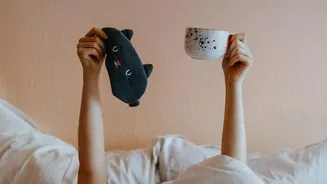
The day after a late night is crucial for getting back on track. The most important anchor for your circadian rhythm is your wake-up time. As difficult as it may be, try to wake up at your usual time, or at least within an hour or two of it. This consistency is key. Once you're up, expose yourself to bright, natural sunlight as soon as possible. A short morning walk can help reset your internal clock and shake off grogginess. If you feel tired during the day, a very short nap is better than sleeping in for hours, which can make it harder to fall asleep the following night. Don't stress about the lost sleep; just focus on returning to your normal schedule.