


Start With the Bed
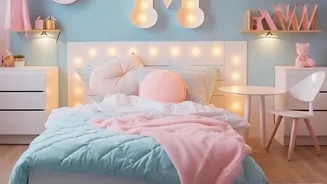
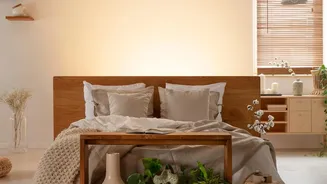
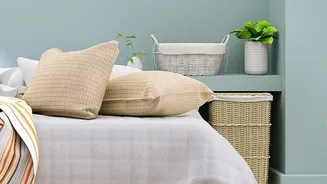
The bed is the largest piece of furniture in your bedroom, so its placement is the most critical decision. The most common and often best approach is to place the bed against the centre of the longest wall. This creates a natural focal point and a sense
of symmetry, allowing for space on either side for small nightstands. However, if the room is particularly narrow, don't be afraid to push the bed into a corner. While unconventional, this can free up a significant amount of floor space for movement and other furniture. Whatever you choose, ensure the layout doesn't block the natural light from a window, which is crucial for making a room feel open and airy.
Choose Smart, Scaled Furniture
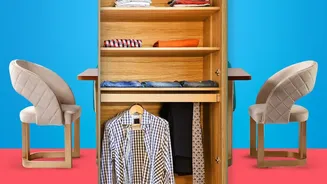
In a small bedroom, every piece of furniture must justify its footprint. Opt for pieces that are scaled appropriately for the room. Instead of bulky dressers and wide nightstands, look for slimmer, low-profile options. Furniture with visible legs, like a mid-century modern style dresser or bed frame, creates a sense of openness because you can see the floor underneath. Floating shelves are an excellent replacement for traditional bedside tables, offering a spot for a lamp and a book without taking up any floor space. When it comes to wardrobes, designs with sliding doors are far superior to those with swinging doors, as they don't require clearance to open.
Embrace Vertical Space
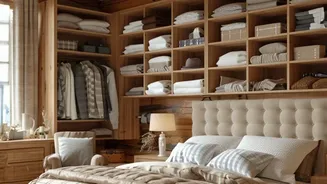
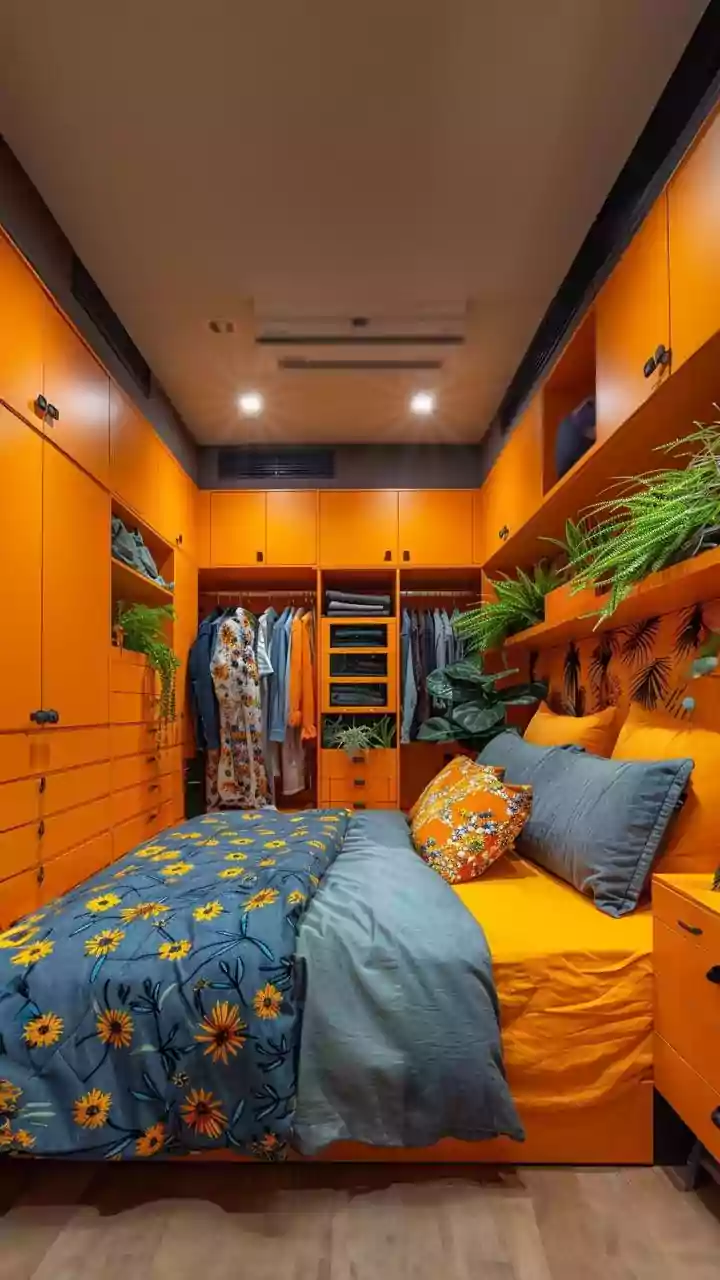
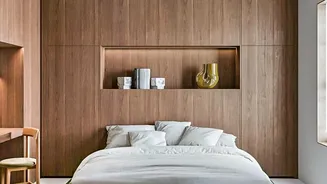
When floor space is limited, the only way to go is up. Using your walls effectively is a classic strategy for small spaces. Consider tall, narrow bookshelves or dressers that draw the eye upward and provide ample storage without a large footprint. Floor-to-ceiling wardrobes are another fantastic solution, maximising every inch of storage potential and creating a clean, built-in look that can make the room feel taller. Wall-mounted shelves can be placed above desks, beds, or even doorways to hold books, decor, or baskets for small items, keeping clutter off your surfaces and floors.
The Power of Multi-Functionality
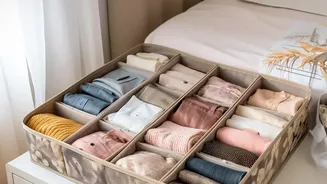
In a compact Indian home, furniture that serves more than one purpose is not a luxury; it's a necessity. The most valuable player in a small bedroom is often a bed with built-in storage. Hydraulic lift beds offer a massive, hidden space for storing seasonal clothing, luggage, and extra bedding. An ottoman with a removable lid can serve as a seating bench at the foot of the bed while secretly stashing away blankets or shoes. A small desk can double as a dressing table. By choosing pieces that work harder, you reduce the number of items you need, which is the ultimate goal in a small layout.
Create Illusions of Space
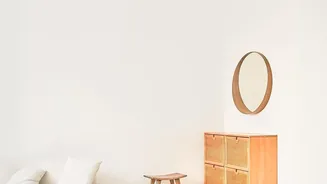
Beyond the physical layout, you can use visual tricks to make the room feel larger. A large mirror is the oldest trick in the book for a reason: it works. Placing a mirror on a wardrobe or a wall will reflect light and the room itself, creating a powerful illusion of depth. Maintaining a clear pathway is also essential. Arrange furniture against the walls to keep the central area open, which makes the room easier to navigate and feel less cluttered. Finally, stick to a light and neutral colour palette for the walls and large furniture pieces. Soft whites, beiges, and light greys reflect more light and create a calm, airy atmosphere that visually expands the space.