






The Versatile Tomato (Tamatar)
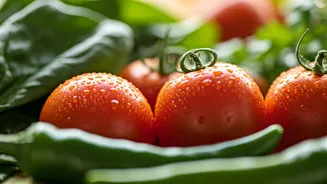
No Indian kitchen is complete without tomatoes, and thankfully, they are one of the most rewarding vegetables for a beginner gardener. Whether you have a small patch of soil or just a sunny balcony, tomatoes can thrive. The key is sunlight; they need
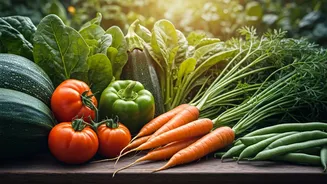
at least 6-8 hours of direct sun daily. Start with a healthy sapling from a local nursery to give yourself a head start. Plant it in a 10-12 inch pot with well-draining soil mixed with compost. Water consistently, especially when the plant starts flowering and fruiting, but avoid making the soil soggy. As the plant grows, you might need to support it with a stake or a small trellis. Within a couple of months, you'll be harvesting juicy, homegrown tomatoes that taste infinitely better than anything from the market.
The Spicy Chilli (Mirch)
A staple for adding that essential kick to our food, chilli plants are incredibly resilient and productive. They love the Indian climate and can produce a steady supply of chillies for months. Like tomatoes, they are sun-lovers and need a bright, sunny spot. You can easily grow them from the seeds of a dried chilli from your own kitchen. Plant them in an 8-10 inch pot. Chilli plants are relatively low-maintenance; they don't like to be overwatered, so let the top inch of soil dry out before watering again. They are also quite pest-resistant. From mild to fiery, there are countless varieties to choose from. A single healthy plant can give you enough chillies to last the entire season, making it a highly efficient use of your garden space.
The Leafy Powerhouse: Spinach (Palak)
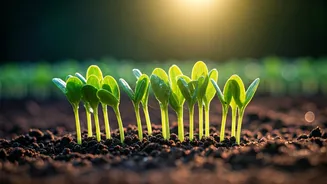
If you want quick results, spinach is your best friend. This nutrient-packed leafy green grows incredibly fast, often ready for its first harvest in just 4-6 weeks. Unlike tomatoes and chillies, spinach prefers cooler weather and can tolerate partial shade, making it a great choice for balconies that don't get full-day sun. It’s best grown from seeds, sown directly into a wide container or grow bag. Since it’s a leafy vegetable, ensure the soil is rich in nitrogen; adding cow manure or vermicompost works wonders. The best part about growing spinach is its 'cut-and-come-again' nature. You can harvest the outer leaves, and the plant will continue to produce new ones from the centre, giving you a continuous supply for your dals and sabzis.
The Fragrant Herb: Coriander (Dhania)
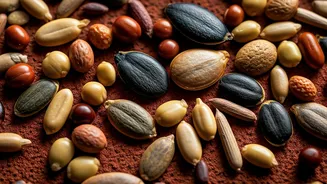
Is any Indian dish truly complete without a garnish of fresh coriander? Growing your own dhania ensures you always have this essential herb on hand. It's notoriously difficult to keep store-bought coriander fresh, but growing it is surprisingly simple. You can start by gently crushing whole coriander seeds (sabut dhania) from your kitchen masala box to split them in half. Sow these seeds in a shallow, wide pot with good drainage. Coriander prefers cooler temperatures and partial sunlight. Keep the soil consistently moist but not waterlogged. In about three to four weeks, the fragrant leaves will be ready to be snipped off as needed. Avoid harvesting the whole plant at once to encourage it to keep growing.
The Ever-Ready Mint (Pudina)
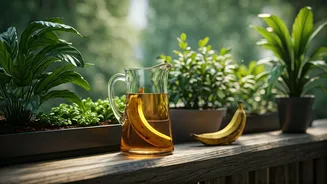
Mint is arguably the easiest herb to grow at home—it practically grows itself! All you need is a fresh stalk from a bunch you bought at the market. Place the stem in a glass of water, and within a week, you'll see tiny white roots emerge. Once the roots are about an inch long, plant the stem in a pot with moist soil. Mint is an aggressive grower and will spread quickly, so it's best to keep it in its own container unless you want a garden full of it. It thrives in both sun and partial shade and loves moist soil. Regular trimming encourages the plant to become bushier. With a pot of pudina, fresh chutney, cooling drinks, and fragrant garnishes are always just a snip away.
The Reliable Brinjal (Baingan)
Brinjal, or eggplant, is a robust and productive plant well-suited for home gardens across India. Available in various shapes and sizes, from the small, round varieties perfect for stuffing to the long ones used in curries, there's a brinjal for every preference. They are warm-weather plants that require plenty of sunshine, similar to tomatoes. Plant a sapling in a large container, at least 12-14 inches deep, to accommodate its root system. Use a well-draining soil mix enriched with compost. Water regularly to keep the soil evenly moist, which helps in developing well-formed fruit. A healthy brinjal plant will reward you with a steady harvest, providing the star ingredient for everything from baingan bharta to crispy fries.