







The Seasonal Struggle of Small Farmers
Across Maharashtra, particularly in arid regions like Marathwada and Vidarbha, agriculture has long been a gamble against the weather. Smallholder farmers, who often own less than five acres of land, have traditionally depended on the annual monsoon to
cultivate their kharif (monsoon) crops. When the rains are good, the harvest is sufficient. But when the monsoon is weak or erratic, as it often is, the result is stunted crop growth, financial distress, and for some, the difficult choice to migrate to cities for daily wage work to support their families. This cycle of seasonal unemployment and debt has been a persistent challenge, limiting not just income but also the ability of farmers to invest in their land and improve their livelihoods.
A Technological Lifeline: Solar Micro-Pumps
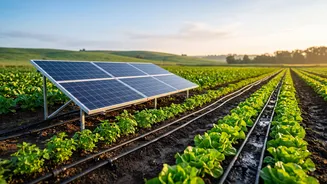
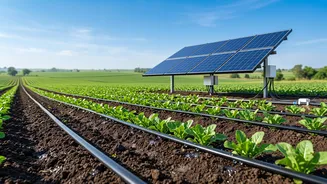
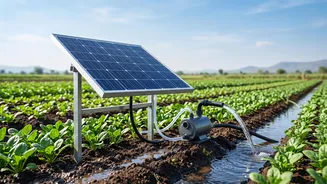
The game-changer has been the introduction of off-grid micro-pumps, overwhelmingly powered by solar energy. These small, efficient pumps are designed for the needs of farmers with limited landholdings. Unlike large-scale irrigation projects, these pumps draw water from local sources like wells and borewells, providing a reliable supply directly to the fields. Because they are solar-powered, they operate with minimal recurring costs and without reliance on an often-unreliable rural electricity grid, freeing farmers from expensive diesel fuel and erratic power supply. Government initiatives like the PM-KUSUM scheme and Maharashtra's own 'Magel Tyala Saur Krushi Pump Yojana' have been instrumental, providing significant subsidies that cover up to 90-95% of the installation cost for eligible farmers.
From One Harvest to Many
The most significant impact of these pumps is the shift from single-season farming to multi-crop cultivation. With a dependable water source available outside the monsoon months, farmers can now plant a second (rabi) and even a third crop. This newfound water security allows for diversification into high-value cash crops like groundnuts, vegetables, and fruits, which command better market prices than traditional staples. A recent project in Tulyachapada village in Palghar district provides a powerful example. After the installation of shared solar pumps, cultivated land in the area increased from just a few acres to over 95. Farmers who once only grew paddy during the monsoon are now harvesting groundnuts and vegetables, dramatically changing their agricultural output.
The Economic and Social Ripple Effect
The ability to harvest multiple times a year directly translates to a substantial increase in household income. Reports from various regions show that farmers with solar pumps have seen their annual earnings rise significantly, with some incomes increasing by 20-30% or more. One farmer in Gadchiroli reported his income crossing Rs 3.5 lakh per year after installing a solar pump. This economic uplift has a profound social impact. Increased financial stability reduces the pressure for distress migration, allowing families to stay together in their villages year-round. In Tulyachapada, seasonal migration reportedly fell by 90% after solar irrigation was introduced, creating more stable and resilient rural communities.
Challenges on the Road Ahead
Despite the clear benefits, the path to widespread adoption is not without obstacles. The initial cost of a pump system, even when heavily subsidized, can still be a barrier for the poorest farmers. Furthermore, ensuring proper maintenance and creating effective water management practices are crucial to prevent the over-extraction of groundwater. Some of the most successful models involve farmers forming small groups to share the cost and use of a pump, making the technology more accessible and efficient for those with very small landholdings. As Maharashtra continues to lead the country in solar pump installations, scaling these solutions while ensuring long-term sustainability will be the key to securing a prosperous future for its agricultural backbone.