






Understanding the Rush
On August 1, when advance bookings for the October to December season opened, Ranthambore Tiger Reserve's official portal was flooded. Nearly 40,000 tourists, including 14,000 from overseas, registered for a safari in just two hours. This highlights the immense
demand for one of India's premier wildlife experiences. The park operates on a strict permit system with a limited number of vehicles allowed in each of its 10 zones for morning and afternoon safaris. With bookings opening for a three-month block at once, high-demand periods like weekends and holidays get snapped up almost instantly. The recent surge, though handled smoothly by an upgraded booking system, confirms that spontaneity is no longer a viable option for planning a Ranthambore trip.
The Power of Flexible Dates
The single most effective strategy to secure a spot is flexibility. While long weekends and holidays like Diwali and Christmas are the first to sell out, considering a mid-week visit dramatically increases your chances. Even being flexible by a day or two can open up availability you might otherwise miss. The tourism season runs from October 1 to June 30. The winter months of October to February are popular for their pleasant weather. However, the warmer months from March to June often provide the best opportunities for tiger sightings as animals congregate around the park's water bodies. By avoiding the absolute peak travel dates, you can bypass the heaviest booking traffic and have a more relaxed experience.
Be Flexible with Zones, Not Just Dates
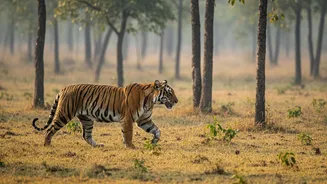
Many visitors fixate on securing a safari in the so-called 'premium' core zones (1-5), believing they offer the only real chance of a sighting. While these zones have historically strong reputations, tigers are territorial and move freely throughout the park. Significant sightings are reported across all ten zones. Being open to a safari in the buffer zones (6-10) can be the difference between getting a permit or not. Experienced guides will tell you that it's better to be on any safari, regardless of the zone, than to have no safari at all. Prioritise securing a confirmed permit on your travel dates first, and worry about the specific zone second.
A Step-by-Step Booking Game Plan
To navigate the system, preparation is key. Bookings for a block of months open on a specific date, often 90 days or more in advance. Have the full name, age, and valid government ID information for every person in your group ready before the booking window opens. Use the official Forest Department website for the best rates and legitimacy. If possible, book more than one safari—perhaps a morning and an evening slot—to double your chances of a memorable encounter. If you miss the advance window, some seats are released under a 'Tatkal' (urgent) quota closer to the date, but these are limited and often more expensive.
Jeep vs. Canter: Choose Your Vehicle Wisely
You have two vehicle choices: a 6-seater Gypsy (jeep) or a 20-seater Canter. The Gypsy offers a more private and nimble experience, which is often preferred by photographers for its flexibility and quieter approach. The Canter is a larger, shared vehicle that is more budget-friendly and a good option for bigger groups. Your choice may also be dictated by availability. If Gypsy slots are full, a Canter is still an excellent way to experience the jungle. Being flexible on your vehicle type, in addition to your dates and zones, adds another layer of opportunity to your booking strategy.