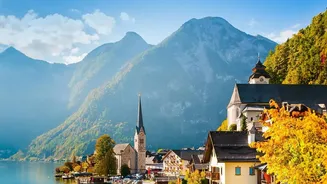








The 'Shoulder Season' Sweet Spot
The period between a destination's peak and off-peak seasons is known as the 'shoulder season'. For Europe, this is typically April-May and September-October. For many parts of Asia, it falls just after the monsoon season ends. Indian travellers are increasingly
discovering the unique advantages of this window. Travel companies report that India's traditional travel calendar is broadening, with September and October emerging as a new period for family holidays and experiential trips. This isn't just about saving money; it's about a better overall travel experience with fewer crowds, pleasant weather, and a more relaxed atmosphere.
Europe's Autumnal Allure
Visiting Europe in September and October means escaping the intense summer heat and the massive tourist crowds of July and August. The weather is often mild and comfortable, perfect for sightseeing in cities like Rome, Paris, and Prague. It's a time when you can enjoy major attractions without spending hours in queues. Furthermore, this period often brings significant cost savings. With demand from summer tourists dropping, airlines and hotels frequently reduce their prices, with savings of 20% to 40% not being uncommon compared to peak season rates. For instance, return flights from major Indian cities to European hubs can be found for ₹40,000–₹65,000 when booked in advance for the shoulder season. Data even shows a nearly 60% year-on-year rise in air bookings from India to Munich for Oktoberfest, highlighting the growing appeal of this period.
Asia's Post-Monsoon Playground
Across Southeast Asia, the end of the monsoon season in September and October ushers in a period of lush green landscapes and comfortable temperatures. This makes it an ideal time to explore destinations like Vietnam, Thailand, and Malaysia before the peak winter tourist rush begins. Travel platforms have noted a significant year-on-year increase in searches from India for destinations like Hanoi (58% increase) and Kuala Lumpur (35% increase) for September travel. The weather is generally drying out, and the seas are calmer, making it great for beach holidays in places like the Perhentian Islands in Malaysia or the Gili Islands in Indonesia. This period also offers great value, with more competitive prices on hotels and activities before the high season demand kicks in around November and December.
Fewer Crowds, Better Experiences
One of the most significant advantages of travelling during this window is the lighter tourist footfall. Fewer crowds mean shorter lines at museums, more space at popular landmarks, and a generally more authentic and relaxed experience. You can explore a destination at a gentler pace, interact more with locals, and get tables at restaurants without booking weeks in advance. This is especially beneficial for families, as navigating popular sites becomes less stressful. For many travellers, the ability to experience a destination's true character without the overwhelming pressure of overtourism is the biggest luxury of all.
Essential Planning and Visa Tips
While the September-October window offers many benefits, planning remains crucial. For European destinations, a Schengen visa is required, and while the official processing time is around 15 calendar days, it can extend to 30-45 days during busy periods or for complex applications. It is highly recommended to apply at least three to four weeks in advance, and even earlier if possible, as securing an appointment at a visa centre can itself take several weeks. You can apply up to six months before your travel date. For many Asian destinations, visa processes can be simpler, with some offering visa-free entry or e-visa facilities for Indian passport holders. Regardless of the destination, booking flights and accommodation three to four months in advance is the best way to secure the most competitive prices for your shoulder season getaway.