







Understanding 'High-Risk' Travel in 2026
The term 'high-risk' isn't just about visiting a location; it's often about the journey itself. For travellers in 2026, risks can be broadly grouped into three categories. The first is geopolitical instability, where active conflicts or severe political tensions
can render airspace and land borders unsafe. The second is maritime danger, primarily piracy and armed robbery in crucial shipping lanes that can affect both commercial and private vessels. The third involves specific overland routes known for high rates of violent crime, such as kidnapping or banditry, often concentrated in border regions or areas with limited state control. A country might be generally safe to visit, but specific routes within or around it could be hazardous.
Air and Land Routes Disrupted by Conflict
Geopolitical conflict is a primary driver of high-risk routes. As of mid-2026, the Middle East remains a significant area of concern. An escalation of hostilities has led to widespread travel disruptions, with airspace closures and major airport hubs like those in the UAE operating at reduced capacity. This has a ripple effect globally, causing flight cancellations and rerouting. Countries like Iran, Iraq, Syria, and Yemen are under 'Do Not Travel' advisories from multiple governments, including India's Ministry of External Affairs. Similarly, active conflicts make travel to Ukraine and Russia exceptionally dangerous, with ongoing military activities and the risk of drone attacks in major cities. Border areas are also points of high tension. The region of Jammu and Kashmir, especially along the Line of Control (LOC) between India and Pakistan, is volatile with sporadic violence and a heavy military presence.
Maritime Hotspots: Piracy on the High Seas
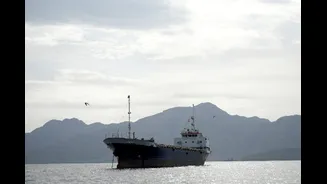
For those travelling by sea, certain maritime chokepoints present a persistent threat. While global piracy incidents hit a historic low in early 2026, specific regions remain dangerous. The Gulf of Guinea off West Africa is considered the world's most perilous water for seafarers due to frequent and violent kidnappings for ransom. The Red Sea and the connected Gulf of Aden have also become highly volatile, not just from traditional Somali piracy, which has seen a resurgence, but also from missile and drone attacks. In Southeast Asia, the Straits of Malacca and Singapore, while crucial for global trade, are hotspots for armed robbery and theft on board ships. These risks are not just for large container ships; private yachts and smaller vessels are also vulnerable.
Overland Routes and Regional Crime
Sometimes the danger lies on the road. In parts of Central and South America, specific states within countries like Mexico carry 'Do Not Travel' advisories due to cartel violence, making some overland journeys extremely hazardous. In Africa, countries like Haiti face a breakdown of public order with rampant gang violence and kidnapping, making most forms of travel inadvisable. Even in regions not in active conflict, travellers should be aware of localised crime risks. Some advisories for India, for instance, recommend exercising a high degree of caution due to crime in major cities and tourist areas, and advise against travelling alone, especially for women. The key is to research the specific states and regions on your itinerary, not just the country as a whole.
How to Stay Informed and Travel Safely
The foundation of safe travel is good information. Before booking a trip, and again before departing, consult official travel advisories. The Indian Ministry of External Affairs (MEA) issues advisories for Indian citizens. Other valuable resources include the travel advisory websites of governments like the US, UK, Canada, and Australia, which provide detailed, regularly updated risk assessments for countries worldwide. Enrolling in any available registration programs, such as the Smart Traveler Enrollment Program (STEP) for US citizens, can provide you with security alerts in an emergency. Finally, always have a contingency plan. Understand the terms of your travel insurance, keep copies of your documents, and let friends or family know your itinerary. Being prepared doesn't mean being paranoid; it means being empowered to explore the world with confidence.