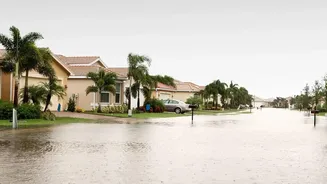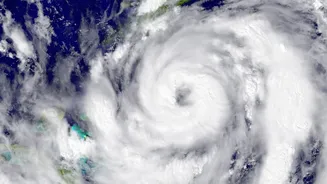

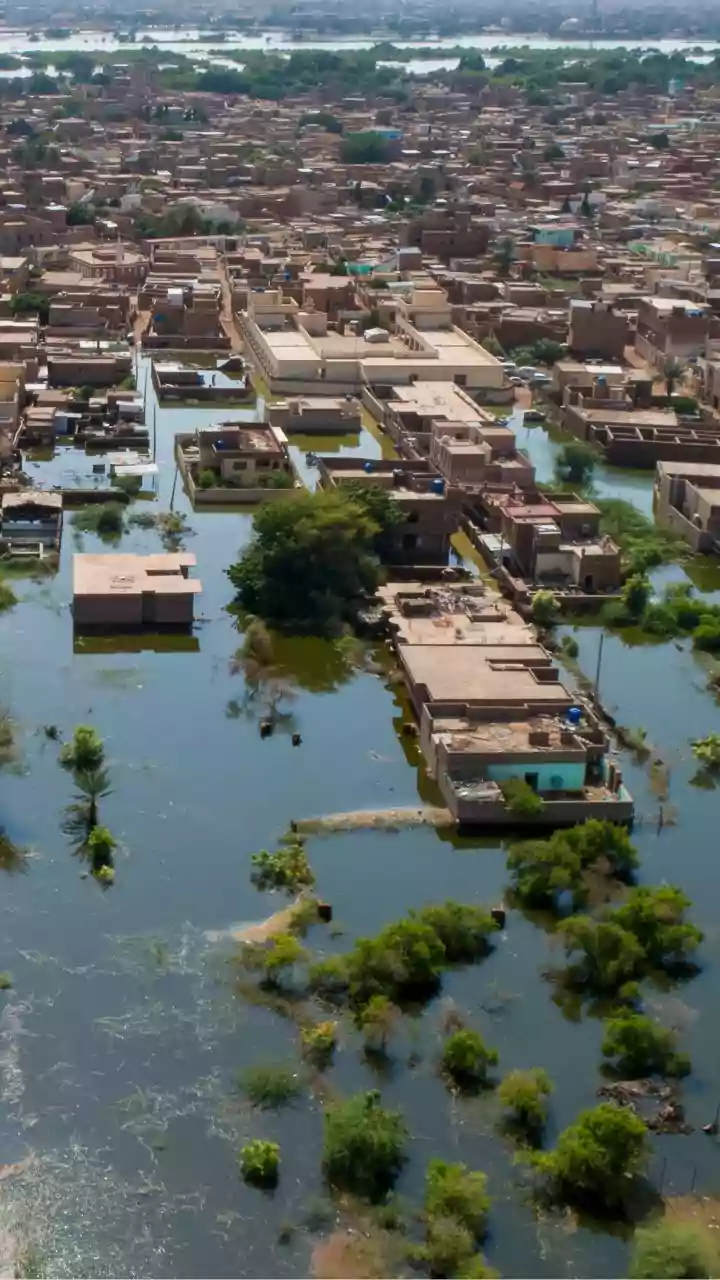






Cyclone Arnab made landfall on the Andhra Pradesh coast on Wednesday morning, bringing torrential rains and high-velocity winds. For millions of farmers in coastal Andhra Pradesh and Odisha, the storm's arrival marks a critical moment of vulnerability.
Arnab's Arrival and Intensity
Very Severe Cyclonic Storm Arnab crossed the coast near Yanam between 2 a.m. and 8 a.m. on October 28, with maximum sustained wind speeds of 125-135 kmph, gusting up to 150 kmph. The India Meteorological Department (IMD) confirmed the completion of the landfall process, after which the system began to weaken into a severe cyclonic storm. Even as the storm weakens, the threat of extremely heavy rainfall persists over coastal Andhra Pradesh and southern Odisha. The IMD reported that some locations in Andhra Pradesh's Anakapalli and Visakhapatnam districts received over 200 mm of rain even before the cyclone's center moved fully inland. This sheer volume of water, arriving just as farmers prepare for the Kharif harvest, is the primary source of agricultural distress.
Standing Crops in the Crosshairs
The timing of Cyclone Arnab is particularly devastating for the agricultural sector. Across large parts of coastal Andhra Pradesh and Odisha, the primary Kharif paddy (rice) crop is mature and in the harvesting stage. Incessant rainfall can cause a condition known as 'lodging', where the weight of the water and force of the wind flattens the standing crop, making it impossible to harvest by machine or hand. Furthermore, prolonged waterlogging in the fields can suffocate the root systems of not just paddy but also vegetable and pulse crops, leading to widespread failure. Farmers who managed to harvest just before the cyclone now face the challenge of protecting their produce from moisture, which can cause sprouting and fungal growth, rendering it unfit for sale.
The Triple Threat: Wind, Rain, and Salinity
The impact of a cyclone on agriculture is threefold. First, the high-speed winds, which reached up to 150 kmph with Arnab, can physically shred and uproot plants, particularly horticultural crops like bananas and papayas. Second, as seen with Arnab, the extreme rainfall leads to flooding and waterlogging. The third and often longer-lasting threat is saltwater inundation. Cyclones can push a 'storm surge' of seawater onto low-lying coastal farms. This saline water can increase soil salinity, making the land infertile for subsequent crops and sometimes requiring years of remediation before it can be productive again. This was a major issue following past cyclones, severely reducing rice productivity in affected areas.
Economic Fallout and Farmer Anxiety
For individual farmers, many of whom operate on small holdings and with borrowed money, the loss of a harvest can be a crippling economic blow. The investment in seeds, fertilisers, and labour for the entire season is wiped out, pushing them deeper into debt. Beyond the farm gate, widespread crop damage has a ripple effect. It can lead to shortages of key staples, driving up food prices for consumers and impacting regional food security. Studies on past cyclones in India show that a single major event can cause a significant decline in agricultural output for a district, with effects that can linger for years. As one farmer in Puri district expressed before the storm, the fear of being ruined again by a cyclone is a constant source of anxiety in these coastal communities.
States on Alert and Mitigation Efforts
In anticipation of Cyclone Arnab, state governments in both Andhra Pradesh and Odisha took extensive preparatory measures. Authorities evacuated over 180,000 people from lowlying and vulnerable areas to safer shelters. Agricultural departments and universities issued urgent advisories, urging farmers to harvest mature crops immediately, ensure proper drainage in fields where possible, and move harvested produce and livestock to secure locations. Dedicated control rooms and toll free helpline numbers were activated to provide real time guidance. These proactive steps, which are part of an increasingly sophisticated disaster management protocol, are crucial in mitigating the worst of the cyclone's impact, though they cannot entirely prevent the losses from such an intense weather event.