








Know Your Opponent: Common Monsoon Illnesses
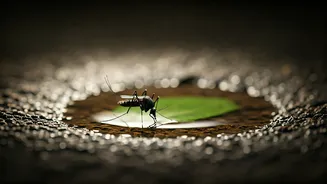
The first step in prevention is awareness. During the monsoon, health threats typically fall into three categories. First are vector-borne diseases, spread by mosquitoes that thrive in stagnant water. These include dengue, malaria, and chikungunya, all of
which present with high fever, body aches, and fatigue. Second are water-borne infections like typhoid, cholera, and gastroenteritis, which are contracted by consuming contaminated food or water. Finally, the damp, cool air contributes to a rise in airborne infections like the common cold, influenza (flu), and other viral fevers, which spread easily in crowded, indoor spaces.
Fortify Your Home Base
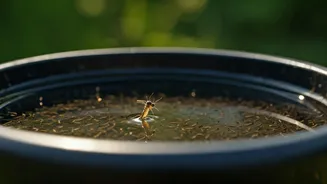
Your home is your first line of defence. The primary goal is to eliminate mosquito breeding grounds. Conduct a weekly audit of your home and surroundings for any stagnant water. This includes flowerpot saucers, discarded tyres, open containers, and clogged drains or gutters. Ensure water storage tanks and containers are tightly covered. Use mosquito nets, especially for children and the elderly, and install mesh screens on windows and doors. Using mosquito repellents, coils, or vaporisers, particularly during dawn and dusk when Aedes and Anopheles mosquitoes are most active, provides an additional layer of protection.
Master Food and Water Safety
Your digestive system is particularly vulnerable during this season. It's crucial to be vigilant about what you eat and drink. Always drink boiled or filtered water. If you're unsure about the water source when outside, stick to bottled water from a reliable brand. Be wary of street food, especially items that are uncooked or have been sitting out for a long time, like chutneys and salads. At home, wash all fruits and vegetables thoroughly, preferably with lukewarm water. Eating freshly cooked, hot meals is the safest bet. Avoid raw or undercooked foods, as the high humidity can accelerate bacterial growth.
Strengthen Your Personal Defences
Boosting your immunity and practicing good personal hygiene can significantly reduce your risk of falling ill. Make it a non-negotiable habit to wash your hands with soap and water frequently, especially before meals and after returning home. Carry an alcohol-based hand sanitiser for times when soap and water aren't available. Avoid touching your eyes, nose, and mouth unnecessarily. To keep your immune system strong, incorporate vitamin C-rich foods like citrus fruits, amla, and leafy greens into your diet. A healthy diet, adequate sleep, and regular exercise are your best allies in building a robust immune response.
Recognise the Warning Signs
Despite all precautions, infections can still occur. Knowing when to seek medical help is critical. Do not ignore symptoms like a persistent high fever, severe muscle and joint pain, rashes, chills, or severe vomiting and diarrhoea. Self-medication, especially with painkillers like aspirin or ibuprofen for a fever, can be dangerous if you have dengue, as it can increase the risk of bleeding. If you or a family member exhibits any of these warning signs, it is essential to consult a doctor immediately for an accurate diagnosis and proper treatment. Early medical intervention can prevent complications and ensure a speedier recovery.