




The Spice Trinity: Turmeric, Ginger, and Garlic
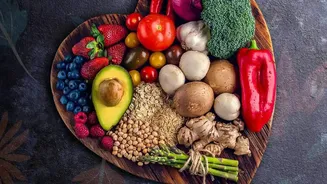
This trio is the foundation of monsoon wellness in many Indian kitchens. Turmeric, with its active compound curcumin, is a powerful anti-inflammatory and antioxidant. A daily dose, like in warm haldi doodh, can help fight infections. Ginger is a classic
remedy for colds and flu, known for its antiviral properties and its ability to soothe an upset stomach. Garlic contains allicin, a compound with potent antibacterial and antiviral effects that can stimulate your immune response. Adding these spices generously to your daily cooking, from dals to teas, is a simple way to build your body's defences.
Seasonal Fruits: Nature's Immune Boosters
Nature provides the perfect produce for the season. Monsoon fruits like Jamun (Indian Blackberry), plums, and pears are packed with essential nutrients. Jamun, a monsoon star, is rich in iron, antioxidants, and vitamin C, which helps regulate blood sugar and fight fatigue. Pomegranates and peaches are also excellent choices, offering antioxidants and anti-inflammatory properties that protect the body against common infections like colds and flu. While citrus fruits like oranges aren't strictly monsoon fruits, their high vitamin C content makes them valuable for boosting white blood cell production. Always wash fruits thoroughly before consumption.
The Humble Corn (Bhutta)
A rainy day feels incomplete without a roasted bhutta, and this classic snack is also a nutritional powerhouse. Corn is high in fibre, which aids digestion, a common concern during the monsoon. It's also a good source of B vitamins and minerals like zinc and magnesium that help strengthen the immune system. Low in calories and wonderfully versatile, corn can be enjoyed roasted, steamed, or added to soups and salads, making it a perfect guilt-free monsoon indulgence.
Probiotic Power: The Goodness of Yogurt
Gut health is the cornerstone of overall immunity, especially during the monsoon when digestive systems can become sluggish. Probiotic-rich foods like yogurt (dahi) and buttermilk (chaas) help maintain a healthy gut microbiome. These beneficial bacteria aid digestion and help prevent common stomach issues. According to Ayurvedic principles, it's best to consume yogurt during the day and avoid it at night. Opt for fresh, homemade curd and consider adding digestive spices like roasted cumin for an extra health kick.
Warm Soups and Light Lentils
According to Ayurveda, the body's digestive fire (Agni) is weaker during the rainy season. Therefore, light, warm, and freshly cooked meals are recommended. Warm vegetable soups, seasoned with spices like black pepper and ginger, are nourishing, easy to digest, and help fight inflammation. Lentils, particularly moong dal, are an excellent choice as they are rich in protein and nutrients but light on the stomach. A simple Khichdi, made from rice and moong dal, is a complete meal that provides comfort and supports a sensitive digestive system.
A Note on Leafy Greens
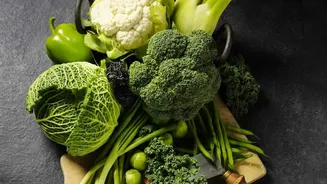
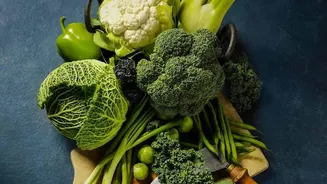
While leafy greens like spinach and fenugreek are incredibly nutritious, extra caution is needed during the monsoon. The damp conditions can make them susceptible to dirt, germs, and pests that are hard to wash away. Raw salads are best avoided during this season. Instead, opt to cook your greens thoroughly. Steaming or boiling vegetables kills harmful microorganisms, making them safe to eat while retaining many of their nutrients.