





The First Rule: Clean Everything
Before a single item gets packed away, it must be clean. This is the most crucial step. Storing clothes with lingering body oils, invisible food particles, or perspiration is an open invitation for pests like moths. Moths are not attracted to wool or cashmere
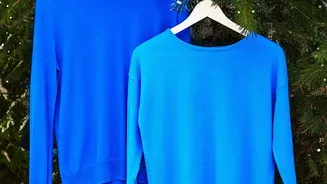
itself, but to the organic residue left on the fibres. Stains can also set and darken over time, becoming permanent by the next season. Be sure to wash or dry-clean every single piece according to its care label. Pay special attention to items worn close to the skin, like scarves and sweaters. Ensure every garment is completely dry before storage, as even a hint of dampness can lead to mildew.
Why Breathability Is Non-Negotiable
The secret to long-lasting clothes is allowing them to breathe. This is where breathable storage bags—made of materials like cotton or canvas—are essential. Plastic bags and bins are one of the biggest enemies of long-term clothing storage. They trap moisture and prevent air circulation, creating a humid environment perfect for mildew growth and musty smells. Furthermore, the chemicals in some plastics, like BHT, can break down over time and cause yellow spotting on fabrics. While plastic bags from the dry cleaner are fine for getting your clothes home, they should be removed immediately for storage.
Choosing the Right Storage System
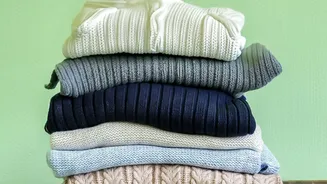
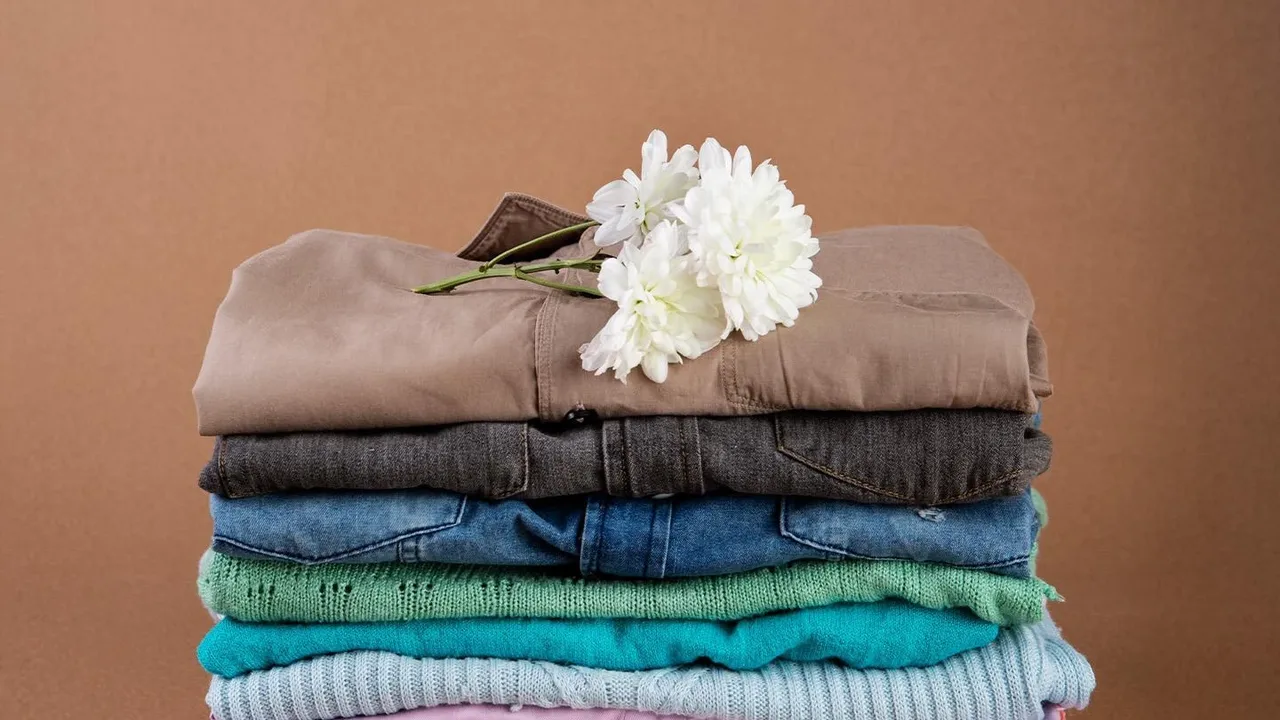
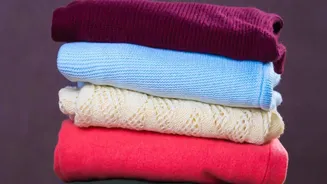
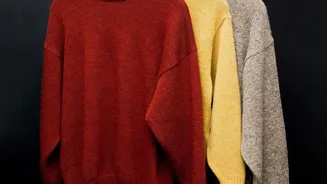
For structured items like wool coats, blazers, and down jackets, hanging is best. Use wide, padded hangers to support the shoulders and prevent distortion. Place these items inside breathable cotton garment bags, which protect from dust and pests while allowing air to circulate. For knitwear, including wool and cashmere sweaters, folding is the only way to go. Hanging sweaters will cause them to stretch and lose their shape. Fold them neatly and store them in fabric bins or archival boxes. Placing acid-free tissue paper between layers can help prevent creasing.
A Special Note on Down Jackets
Puffer coats and down jackets need space to maintain their insulating properties. Avoid compressing them in vacuum-sealed bags for long-term storage. Crushing the down clusters can permanently damage their loft, making the jacket less warm. The ideal method is to hang a down jacket on a sturdy hanger inside a breathable garment bag. If space is an issue, fold it loosely and place it in a large cotton storage bag or bin.
Natural Pest Prevention
To protect your natural fibres from pests, you don't need to rely on the strong smell of traditional mothballs. Natural repellents like cedar blocks or lavender sachets are effective alternatives. The scent of cedar deters moths and other insects. You can place cedar blocks or balls inside your storage bags and bins. Remember to refresh cedar annually by lightly sanding the wood to release the oils. Pheromone moth traps can also be a discreet and effective way to monitor for and disrupt the breeding cycle of moths.
Find the Right Storage Location
Where you store your clothes is just as important as how you store them. The ideal environment is cool, dark, and dry with a stable temperature. A spare room closet is often a great choice. Avoid areas prone to extreme temperature swings and humidity, such as attics, basements, and garages. These locations can cause irreversible damage in just one season. Consistent conditions are key to preventing mildew and fabric degradation.