




An Autumn Bloom Like No Other
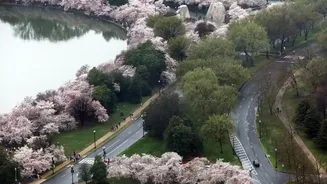
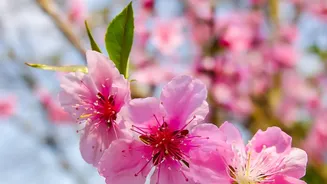
Unlike the famous spring cherry blossoms of Japan, Sikkim's spectacle unfolds in the autumn, typically from late October to December. The trees, known as Prunus cerasoides or the Wild Himalayan Cherry, burst into flower against the crisp mountain air.
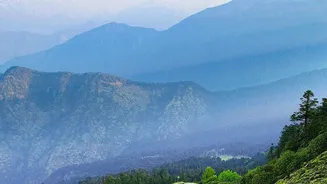
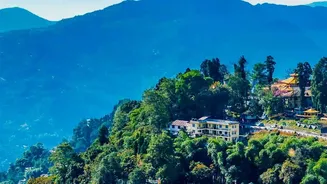
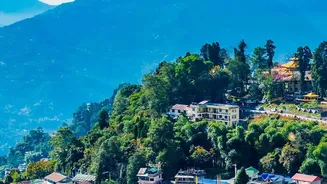
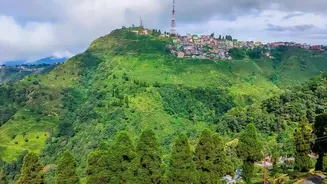
For a few precious weeks, their delicate pink blossoms create a stunning contrast with the lush green slopes of Sikkim's tea gardens and the snow-capped peaks of the Khangchendzonga range in the distance. The primary hub for this natural event is the Temi Tea Garden in South Sikkim, the state's only tea estate. The festival is designed to celebrate this bloom, drawing nature lovers and photographers from across the country to witness the landscape transform.
Festival Dates and Location
The Sikkim Cherry Festival is centred around the Temi-Tarku area in Namchi district. For 2026, reports from various organisers suggest the festival will take place in November. Some sources indicate a four-day event from November 25 to 28, while others suggest a longer, 15-day festival from November 14 to 28. This extended duration offers visitors more flexibility to plan their trip around the peak bloom, which can vary slightly depending on the weather. The festival is organised by the Temi Tarku Tourism Development Committee (TTTDC) in association with the Temi Tea Estate. Visitors should confirm the final schedule with official Sikkim Tourism channels before making travel plans, as different bodies have occasionally hosted similar events in the same season.
What to Expect at the Festival
The Sikkim Cherry Festival is more than just a visual treat; it's a celebration of local culture and community. Based on previous editions, visitors can expect a vibrant atmosphere filled with cultural programmes, including traditional music and folk dances from local communities. Stalls showcasing local handicrafts, organic produce, and, of course, authentic Temi tea are a major attraction, offering a taste of Sikkimese hospitality and enterprise. Food lovers can indulge in traditional cuisine like momos and thukpa. For the more adventurous, activities such as paragliding, mountain biking, zip-lining, and guided walks through the blossom-lined tea slopes are often part of the festivities. In some years, organisers have even added unique attractions like astro-tourism, setting up telescopes for stargazing.
Planning Your Himalayan Getaway
Reaching the festival is part of the adventure. The nearest major airport is Bagdogra (IXB) in West Bengal, approximately 102 km from Temi, while the closest railway station is New Jalpaiguri (NJP). From there, it's a scenic road journey by taxi to Namchi and then on to the Temi Tea Garden. Pakyong Airport (PYG) in Sikkim is closer but has limited flight connectivity. Accommodation in and around Temi is limited, so booking your stay well in advance is crucial, especially if you plan to visit during the festival weekends. Homestays in the surrounding villages offer an authentic experience and a chance to interact with the local community. When packing, remember that November mornings and evenings in the Himalayas are cool, so carrying warm layers is essential.
Beyond Temi: Other Blossom Hotspots
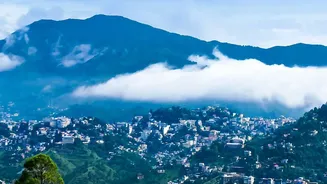
While Temi Tea Garden is the epicentre of the festival, it's not the only place in Sikkim to enjoy the cherry blossoms. The roads around Ravangla, particularly the route towards Ralong Monastery, are also lined with these beautiful pink trees. A day trip from Temi to Ravangla can offer different perspectives and photo opportunities, including the famous Buddha Park. For trekkers, the Khangchendzonga National Park provides a more rugged setting to see the wild cherry trees flowering in their natural forest habitat. Even in the capital city of Gangtok, you can find occasional blossoms around areas like Ridge Park and the Jawaharlal Nehru Botanical Garden, making the entire region a celebration of this unique autumn bloom.