






Meet the Main Culprit: Hygral Fatigue
While humidity gets the blame for frizz, the primary reason your hair physically snaps and breaks is a phenomenon called 'hygral fatigue'. It sounds technical, but the concept is simple. It’s the stress and damage your hair endures from excessive, repeated
swelling when it absorbs moisture and shrinking as it dries. Think of a single strand of hair like an elastic band. Stretch it once, and it bounces back. But stretch it repeatedly, day after day, and it will eventually weaken and snap. During the monsoon, the constant high humidity puts your hair in a perpetual cycle of absorbing moisture from the air, causing it to swell. This process puts immense strain on the hair's cuticle—its protective outer layer—and the delicate protein structures within.
How Your Hair Gets 'Tired' of Water
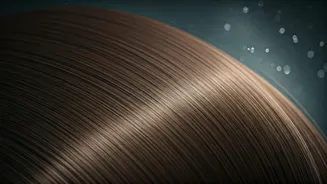
To understand hygral fatigue, you need to picture a single hair strand. The outer layer, the cuticle, looks like overlapping tiles on a roof. When hair is healthy and dry, these tiles lie flat, protecting the inner core (the cortex). When your hair gets wet or absorbs moisture from humid air, water penetrates the strand, causing the cortex to swell. This forces the cuticle 'tiles' to lift. As the hair dries, it shrinks and the cuticles try to lie flat again. During the monsoon, your hair never truly gets a break. It's constantly swelling due to the ambient humidity, even if it feels dry to the touch. This repeated lifting and closing of the cuticle weakens it over time, making it more prone to chipping and breaking. This also leads to a loss of essential proteins, further weakening the hair from the inside out.
Why Monsoon is the Perfect Storm
The Indian monsoon creates the ideal conditions for hygral fatigue to wreak havoc. The humidity levels often soar above 70-80% for weeks on end. This means your hair is in a constant state of saturation. It’s not just about getting caught in a downpour; it’s about the very air being saturated with water molecules that your hair, especially if it's porous or chemically treated, readily absorbs. This is why even on a day without rain, your hair might feel limp, puffy, and weak. The constant strain makes it incredibly fragile. Simple acts like brushing, tying your hair in a tight bun, or even sleeping on it can cause strands to snap easily because they are already weakened at a structural level.
Strengthen Your Defence: Pre-Poo and Oiling
So how do you fight back? The first step is to create a barrier. This is where the age-old wisdom of oiling comes in. Applying a good quality oil—like coconut, argan, or almond oil—to your hair an hour or two before you wash it (a practice known as 'pre-poo') is incredibly effective. Certain oils, particularly coconut oil, can penetrate the hair shaft. They are 'hydrophobic,' meaning they repel water. By filling the gaps in your hair shaft, the oil reduces how much water the hair can absorb during washing and from the humid air. This significantly lessens the swelling and shrinking cycle, giving your cuticles a much-needed rest and directly combating hygral fatigue. It's a simple, powerful step to waterproof your hair from the inside.
Rethink Your Wash and Dry Routine
Since hygral fatigue is worsened by the wet-dry cycle, managing your wash routine is critical. First, switch to a gentle, sulphate-free shampoo that won't strip your hair of its natural oils, leaving it more porous and vulnerable. Avoid washing your hair with very hot water, which can further lift the cuticles. After washing, be extremely gentle. Never rub your hair vigorously with a rough towel. Instead, gently squeeze out excess water with a soft cotton t-shirt or a microfibre towel. Most importantly, avoid tying or braiding your hair when it's soaking wet. Hair is at its most elastic and fragile state when wet, and tying it up will put direct physical strain on strands already swollen and weak, leading to immediate breakage.
Lock in Moisture, the Right Way
It might sound counterintuitive, but sealing the right kind of moisture in is just as important as keeping excessive moisture out. After washing, always use a good conditioner to help seal the hair cuticle. Focus the product on the mid-lengths and ends. This smooths down the 'tiles' of the cuticle, creating a protective layer that not only reduces frizz but also prevents ambient humidity from easily penetrating the hair shaft. For extra protection, consider using a leave-in conditioner or an anti-humidity serum. These products form a film over your hair, shielding it from the moisture-laden monsoon air and keeping the structural integrity of your strands intact throughout the day.