






A New Era for Remote Work in East Asia
The global shift towards remote work has prompted many nations to compete for a new class of professional: the digital nomad. Japan and South Korea, two of East Asia's economic powerhouses, have officially entered the fray with dedicated visas for foreign
remote workers. Launched in 2024 and updated since, these programmes signal a significant policy shift, aiming to attract high-earning talent to live and spend within their borders. For the growing community of Indian freelancers, consultants, and remote employees, this presents an unprecedented opportunity to live in and work from two of the world's most dynamic countries. However, the visas are not identical, and understanding the nuances is crucial before packing your bags.
Japan's Digital Nomad Visa: High Bar, Short Stay
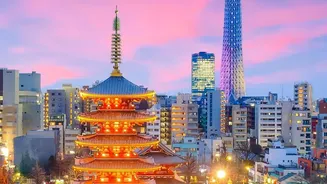
Japan's digital nomad visa, which falls under the "Specified Activities" category, became effective in March 2024. To qualify, an applicant must demonstrate a significant annual income of at least ¥10 million (approximately ₹54-55 lakh or $65,000 USD). This visa is specifically for citizens of 49 countries that have tax treaties and visa-exemption agreements with Japan. The visa permits a stay of up to six months and cannot be renewed or extended; after it expires, the holder must leave Japan and wait another six months before reapplying. Another key requirement is proof of private health insurance with coverage of at least ¥10 million. Visa holders are permitted to bring their spouse and children, provided they are also covered by private insurance. However, this visa does not grant a residence card, which can create practical challenges like opening a bank account or signing a standard apartment lease.
South Korea’s ‘Workcation’ Visa: Longer Stays and More Flexibility
South Korea's F-1-D visa, also known as the "Workcation Visa," was introduced as a pilot in January 2024 and made permanent with updated rules on June 30, 2026. Unlike Japan, this visa is open to citizens of all countries, including India, provided they meet the criteria. The standard income requirement is an annual salary of approximately KRW 105 million (around ₹62-65 lakh or $74,000 USD). Crucially, the permanent programme introduced more flexible income rules. For instance, applicants aged 18-34 who plan to live outside the capital region (Seoul, Incheon, and Gyeonggi) may qualify with a lower income. The visa allows an initial stay of one year and can be extended, permitting a total stay of up to three years. Applicants must have at least one year of experience in their field, a clean criminal record, and private health insurance covering at least KRW 100 million. Spouses and minor children can also accompany the primary visa holder.
Japan vs. Korea: Which Is Right for Indian Freelancers?
For Indian applicants, the choice between Japan and South Korea depends heavily on income, career stage, and desired length of stay. Japan's visa, with its six-month, non-renewable term, is better suited for a short-term, high-budget sabbatical or project. The income threshold is slightly lower, but the restriction to citizens of specific treaty countries is a significant hurdle that applicants must verify. South Korea's visa is designed for a longer-term relocation. The ability to stay for up to three years provides stability for those looking to immerse themselves more deeply. While its standard income requirement is higher, the relaxed rules for younger applicants and those moving to regional areas make it more accessible. Furthermore, South Korea’s visa is open to all nationalities, making it a more direct and viable path for many Indian professionals. Both visas strictly prohibit working for a local company; all income must come from foreign sources.
Lifestyle, Costs, and Final Considerations
Beyond the paperwork, lifestyle and cost of living are major factors. Both Tokyo and Seoul are vibrant global cities with world-class infrastructure, high-speed internet, and exceptional public transport. However, they are also among the most expensive cities in the world. Freelancers must budget carefully for accommodation, food, and daily expenses. While Japan’s visa does not grant a residence card, posing logistical hurdles, South Korea's longer-term F-1-D visa leads to an Alien Registration Card (ARC), which simplifies daily life significantly. The cultural experiences offered by both nations are immense, from Japan's serene temples to South Korea's bustling pop culture scene. The decision ultimately rests on balancing the high financial entry points with the unique professional and personal growth opportunities each country offers.