

The Battle Against Light Pollution
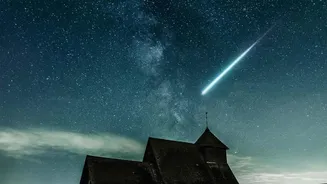
The single biggest obstacle to enjoying a meteor shower is something most of us live with every day: artificial light. In cities and suburban areas, the combined glow from streetlights, buildings, and vehicles creates 'light pollution,' a luminous dome
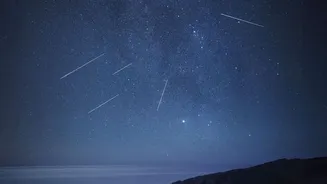
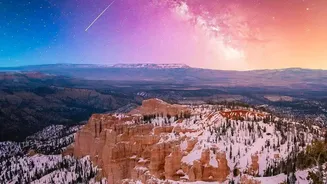
that washes out all but the brightest celestial objects. This atmospheric glow can reduce the number of visible meteors from over 50 per hour in a dark location to just a handful, or even zero, in a brightly lit city. To truly witness a celestial event like the Perseids, which peaks around August 12-13, escaping this urban glare is not just recommended; it is essential. The darker the sky, the more of the shower's fainter meteors become visible, transforming a sparse event into a dazzling display.
The High-Altitude Advantage
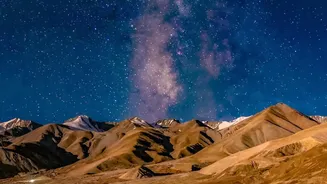
Beyond just darkness, altitude plays a crucial role in the clarity of the night sky. Higher elevations mean you are looking through a thinner layer of Earth's atmosphere. This thinner blanket of air contains less dust, moisture, and other particulates that scatter light and can create a hazy view. Locations at high altitudes, such as those found in the Himalayas, are therefore prized by astronomers. The air is crisper, drier, and more stable, leading to sharper and brighter views of stars, planets, and the fleeting streaks of meteors. You are literally rising above much of the atmospheric interference that blurs the cosmos for those at sea level.
Hanle, Ladakh: India's Dark Sky Sanctuary
Nestled in the cold desert of Ladakh at a breathtaking altitude of 4,500 metres, Hanle is a stargazer's paradise. It is officially recognized as India's first Dark Sky Reserve, a designation that ensures light pollution is kept to an absolute minimum. The area boasts over 250 clear nights a year, combined with its high altitude and dry conditions, creating some of the best viewing conditions on the planet. This is why it's home to the Indian Astronomical Observatory. For visitors, this means an unparalleled opportunity to see the Milky Way in vivid detail and catch meteor showers with stunning clarity, all while local communities, trained as 'astropreneurs', help guide the experience.
Spiti Valley: A High-Altitude Desert Canvas
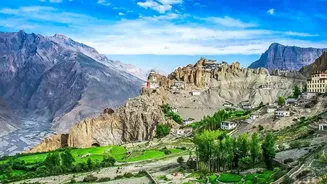
Like its Ladakhi counterpart, Spiti Valley in Himachal Pradesh is a high-altitude cold desert renowned for its pristine skies. With elevations ranging from 10,000 to 15,000 feet, villages like Kaza, Kibber, and Langza are situated far from urban centres and their associated light pollution. The dry, mountain air provides exceptional transparency, making it a favoured destination for astrophotographers and sky-watchers. During the peak summer months, from May to September, the skies are reliably clear, offering spectacular views of celestial events. Recent initiatives have even established community-run stargazing facilities, further cementing Spiti's status as a premier astro-tourism destination in India.
How to Prepare for the Show
To make the most of an annual shooting star event, timing and preparation are key. Plan your trip to coincide with the shower's peak and a new moon, which ensures the darkest possible sky. The best viewing hours are typically after midnight until just before dawn. No special equipment is needed, as meteors are best seen with the naked eye. The most important tool is patience; allow your eyes at least 20-30 minutes to fully adjust to the darkness. Lie back on a blanket or reclining chair to get a wide view of the sky. Finally, remember that these remote locations are at high altitudes and can get extremely cold at night, even in summer, so pack heavy woollens and warm layers.