





From Itinerary Item to Main Event
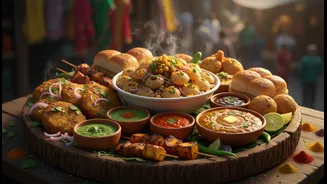
For years, food was a pleasant but secondary part of travel. Today, it’s increasingly the main reason for the trip itself. A significant number of Indian travellers now consider a destination's food culture a primary factor when planning a holiday. This
trend, known as culinary or gastronomic tourism, is about more than just eating well; it’s about seeking immersive experiences that connect travellers to a place's culture and traditions. Instead of passively sightseeing, these travellers want to engage their senses, learn local recipes, and understand the stories behind the food on their plates. According to one travel platform, food-led travel requests have grown by approximately 35% year-on-year, showing a strong appetite for experiences centred on local flavours.
A Hunger for Authenticity
So, what's driving this change? After years of standardised travel packages, there is a growing desire for more genuine and memorable experiences. Food is a powerful gateway to culture. Sharing a meal, visiting a bustling local market, or learning to cook a regional dish offers a direct connection to the people and daily life of a destination. This is a move away from just visiting landmarks to truly understanding a place's identity. Travellers are increasingly seeking out home-cooked meals, farm-to-table dining, and guided street food tours to find this connection. Reports indicate that the 28-40 age group is a primary driver of this trend, with younger travellers influenced by social media also embracing food-led journeys.
Beyond Restaurants: Immersive Food Experiences
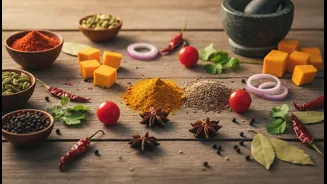
This new wave of travel goes far beyond simply booking a table at a famous restaurant. It’s about hands-on engagement. Across India, unique experiences are catering to this demand. Travellers can be found staying on spice plantations in Kerala, learning to make traditional dishes in heritage homes in Rajasthan, or exploring the farm-to-table movement in Goa. Agritourism is also booming, with farms offering stays where guests can participate in harvesting, learn about organic farming, and enjoy meals made with freshly picked ingredients. These experiences not only provide lasting memories but also support local agricultural communities directly. Cooking classes, food festivals, and guided culinary trails are also becoming popular itinerary staples.
The Taste of Real India
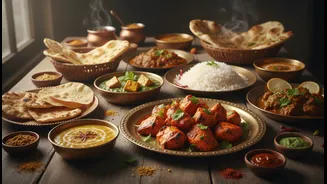
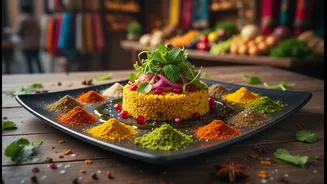
India’s immense culinary diversity makes it the perfect landscape for this trend to flourish. Every state, and indeed every region, offers a unique palate of flavours, ingredients, and cooking techniques waiting to be discovered. This allows travellers to explore their own country on a deeper level. A trip to the mountains in Uttarakhand or Himachal Pradesh can become a journey into the world of foraged ferns and local dals, while a coastal holiday in Kerala can offer an immersion into the use of coconut and fresh seafood. This exploration fosters a greater appreciation for the country's rich agricultural and culinary heritage, which has been passed down through generations.
How to Plan Your Own Food-First Trip
For those inspired to embark on a culinary journey, planning is key. Start by picking a region known for a cuisine that excites you. Look beyond hotels for homestays or farm stays that offer cooking classes or meals with the host family. Research local food bloggers or specialised travel companies that curate food tours and workshops. Don't be afraid to visit local markets, even if it's just to browse. It’s a fantastic way to see regional produce and daily life up close. Engaging with local farmers and food producers can transform a simple meal into a meaningful cultural exchange, providing a richer understanding of the place you're visiting.