


The Joy of a Balcony Herb Garden
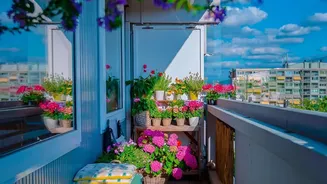
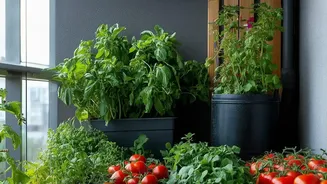
There's a special satisfaction that comes from growing your own food, no matter how small. For urban dwellers, a balcony herb garden is the perfect starting point. The flavour of freshly-plucked herbs is far superior to their store-bought counterparts.
A sprig of fresh mint (pudina) can elevate a simple lemonade, basil leaves add a fragrant punch to any dish, and a few curry leaves (kadi patta) can transform a simple tadka. Beyond the kitchen, tending to these green companions is a calming, rewarding activity that connects you with nature, right in the heart of the city. This guide will walk you through the simple steps to get your own green corner thriving.
Setting Up for Success: Pots and Soil
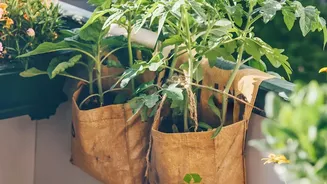
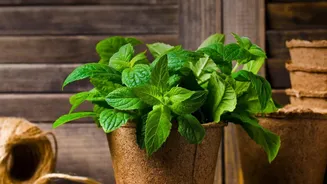
The foundation of any healthy container garden is the right pot and soil. For herbs, terracotta or clay pots are an excellent choice, as their porous nature helps prevent waterlogging by allowing soil to breathe. Ensure every pot has a drainage hole at the bottom. The ideal soil mix should be light and well-draining. A perfect, easy-to-make blend for your herbs is equal parts regular garden soil (or red soil), cocopeat, and organic compost like vermicompost. Cocopeat helps retain the right amount of moisture, while compost provides essential nutrients for lush growth. Avoid using heavy, dense soil from the ground, as it compacts easily in pots, restricting root growth and holding too much water.
Sunlight and Water: The Essentials
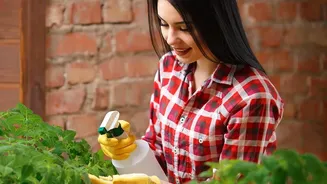
Sunlight is food for your plants. Most herbs, including basil, mint, and curry leaves, thrive with about four to six hours of sunlight daily. An east-facing balcony that receives gentle morning sun is often ideal. While these herbs love light, the harsh Indian afternoon sun during peak summer can scorch their leaves. If your balcony is south or west-facing, try to position the pots where they might get some partial shade in the afternoon. When it comes to watering, the golden rule is to keep the soil consistently moist, not soggy. Overwatering is a common mistake that leads to root rot. A simple way to check is to stick your finger about an inch into the soil. If it feels dry, it's time to water. In hot summer months, your pots may need daily watering, while in cooler weather or monsoon season, you can reduce the frequency.
Meet Your Herbs: Basil (Tulsi)
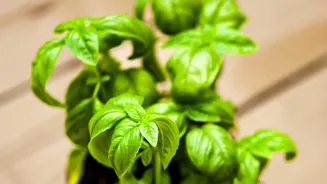
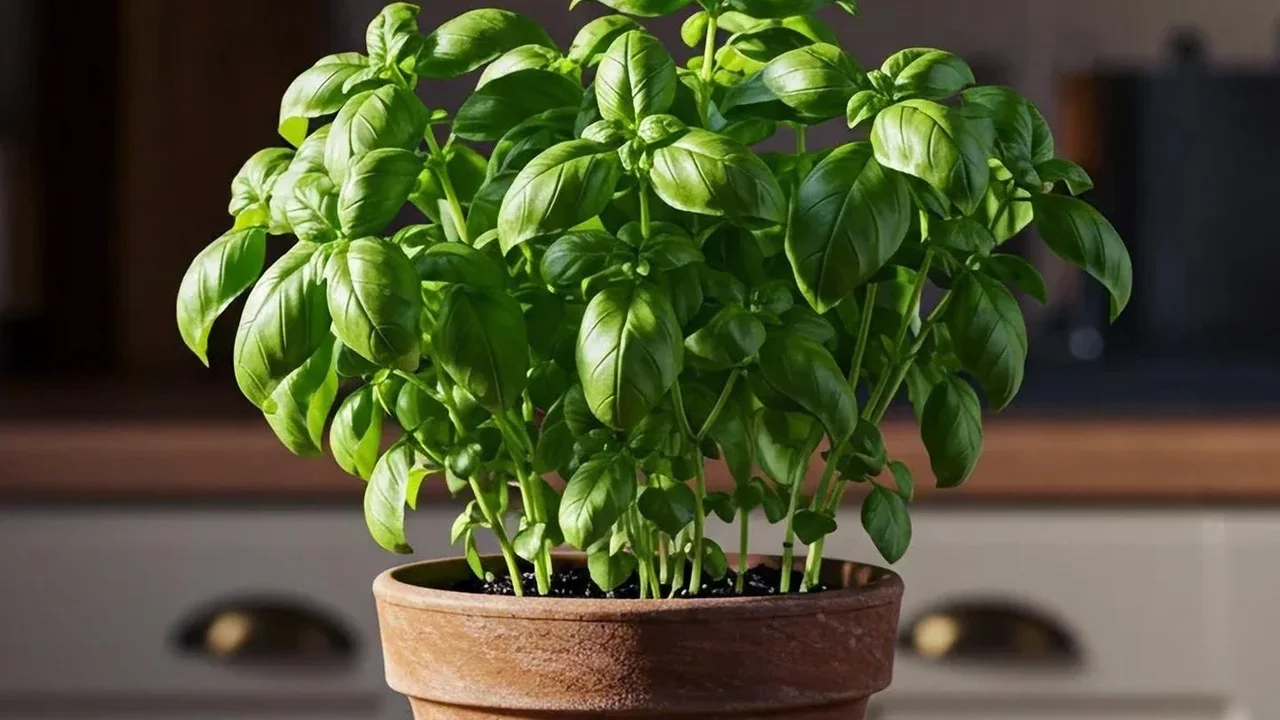
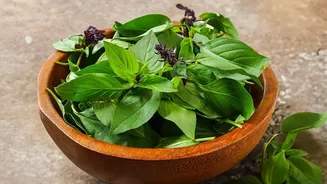
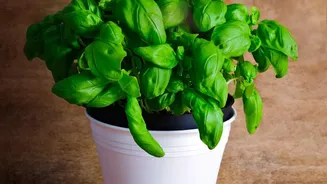
Whether it's the sacred Tulsi for your tea or Italian basil for pasta, this herb is a must-have. Basil is easy to grow from seeds or cuttings. It loves the sun, so give it the brightest spot on your balcony. For a single plant, an 8-inch deep pot is sufficient to allow its roots to grow strong. Water it regularly, ensuring the pot has good drainage. To encourage a fuller, bushier plant, make it a habit to pinch off the top sets of leaves. Don't just pull off single leaves from the bottom; snipping the top of a stem encourages the plant to branch out, giving you a more generous harvest.
Meet Your Herbs: Mint (Pudina)
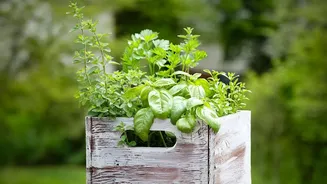
Mint is famously easy to grow—so much so that it can be aggressive. For this reason, always plant mint in its own container, as its roots spread quickly and can take over other plants. A wide, slightly shallow pot is perfect for its growth habit. The easiest way to start a mint plant is from cuttings. Simply take a few healthy stems from a bunch you bought at the market, place them in a glass of water, and in about a week, you'll see tiny roots appear. Once rooted, plant them in your pot. Mint is not as sun-hungry as basil and does well with morning sun and some afternoon shade. Harvest it often by snipping the top leaves to promote bushier growth.
Meet Your Herbs: Curry Leaves (Kadi Patta)
The curry leaf plant is a small perennial shrub that is a staple in Indian cooking. It loves full sun, so give it at least six hours of direct light. While you can grow it from the seeds found in its berries, it is much faster and more reliable to grow from a cutting or a small nursery plant. Be aware that the seed inside the berry is poisonous and should be removed if you attempt this method. The curry leaf plant will grow into a small tree, so it will eventually need a larger pot to thrive. In its first year, be gentle with harvesting, taking only a few leaves at a time to allow the plant to establish itself. A great way to harvest is to snip off a small branchlet, which encourages the plant to become bushier.