




The Myth of a Single Super-Grain
We’ve all seen one grain take the wellness world by storm. One year it’s quinoa, the next it’s oats. While these are undoubtedly healthy, the idea that a single grain can meet all our nutritional needs is a myth. No single food, no matter how nutrient-dense,
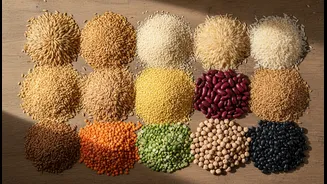
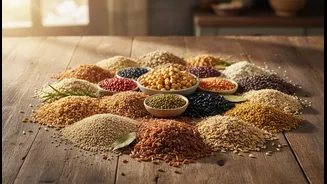
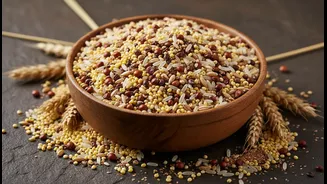
contains the full spectrum of vitamins, minerals, and fibres your body requires to function at its best. Relying on just one or two staples, like wheat and rice, can lead to nutritional gaps and a less resilient digestive system. This dietary monotony is a modern problem; traditionally, Indian diets were incredibly diverse, using a wide variety of seasonal and regional grains. The real power isn't in finding the 'one' but in celebrating the 'many'. By focusing on a single 'healthiest' option, we miss out on the unique benefits that dozens of other grains have to offer.
Why Variety is the True Secret to Health
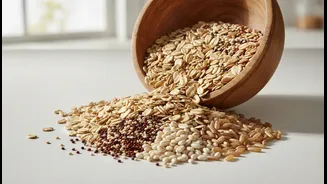
The science is clear: dietary diversity is a cornerstone of good health. Rotating different grains and flours provides a broader range of nutrients. For example, while one grain might be rich in iron, another could be a powerhouse of calcium or magnesium. This variety also nurtures a more diverse gut microbiome. Your gut is home to trillions of bacteria that play a crucial role in everything from digestion to immunity. Different types of fibre from different grains feed different strains of beneficial bacteria. Studies, including the landmark American Gut Project, have shown that people who consume a wider variety of plant foods (including grains) have more diverse and healthier gut microbiomes. This diversity is linked to lower inflammation, better metabolic health, and a reduced risk of chronic diseases.
Meet the Grains Your Roti Has Been Missing
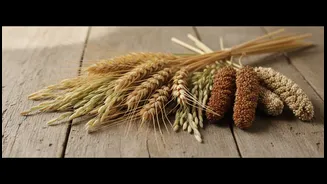
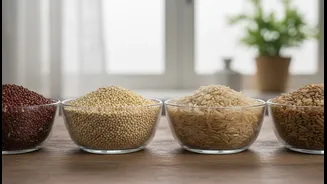
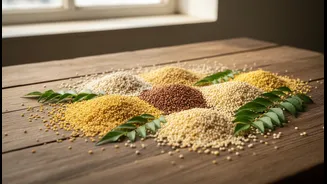
Expanding your grain repertoire is easier than you think, especially with the wealth of options available in India. Let's look at a few fantastic alternatives to your usual atta and rice. Jowar (Sorghum): Naturally gluten-free, jowar is a good source of protein, fibre, and essential minerals like iron and phosphorus. Its low glycemic index makes it great for blood sugar management. Jowar rotis (bhakri) are soft and a fantastic alternative for daily meals. Ragi (Finger Millet): This tiny grain is a nutritional giant, celebrated for its exceptionally high calcium content, making it excellent for bone health. It's also rich in iron and amino acids. Ragi’s cooling properties make it ideal for summer, and it can be used to make everything from dosas and rotis to porridge. Bajra (Pearl Millet): A winter favourite, bajra is known for its warming properties. It's packed with iron, protein, and magnesium, providing sustained energy for demanding days. Its high fibre content keeps you feeling full for longer. Amaranth (Rajgira): Technically a 'pseudocereal', amaranth is a complete protein, meaning it contains all essential amino acids. It's also loaded with manganese, iron, and magnesium. Rajgira flour is often used for fasting foods but can be easily incorporated into everyday cooking.
Simple Swaps for a More Diverse Plate
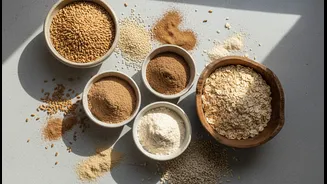
Incorporating this variety doesn't require a complete overhaul of your diet. Start with small, simple changes. Instead of making your rotis with 100% wheat flour, try mixing in 25% jowar or bajra flour. You can gradually increase the proportion as you get used to the taste and texture. Experiment with making dosas from ragi flour or cheelas from besan (gram flour), which also adds a protein boost. When making upma or poha, consider using millets like foxtail millet (kangni) instead of rice flakes or semolina. Even when buying bread, look for multigrain options that include rye or barley. The goal is rotation, not elimination. Aim to try one new grain or flour each week to steadily build a more diverse and nutritious diet.