
The Monsoon's Opening Act
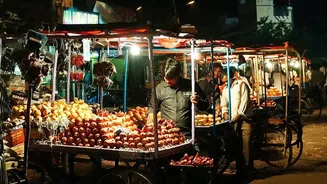
There is an undeniable, almost theatrical connection between the first rains and the craving for bhutta. As skies darken and the earthy scent of petrichor fills the air, roadside vendors appear with their carts, almost as if summoned by the weather itself.
These vendors, or ‘bhutta-wallas’, become the epicentre of a neighbourhood ritual. The sound of kernels popping over a small charcoal grill and the sight of flames charring the corn to smoky perfection is a multi-sensory experience that defines the season for millions. This powerful association with the monsoon often frames bhutta as a simple rainy-day snack, a comforting treat to be enjoyed while huddled under an umbrella.
A Symphony of Flavour
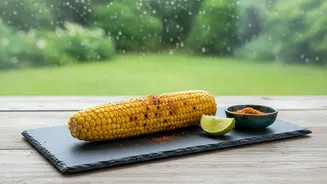
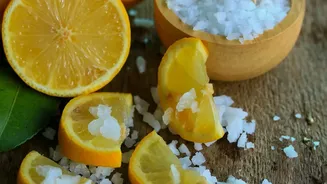
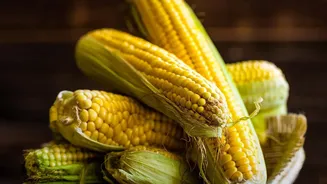
The magic of street-style bhutta lies in its rustic simplicity and the explosion of flavour it delivers. The process is a performance: a freshly harvested cob is roasted over open coals, acquiring a smoky char that balances the natural sweetness of the kernels. But the transformation is completed with the seasoning. A freshly cut lime is dipped into a mixture of salt, red chilli powder, and often chaat masala, then rubbed vigorously across the hot cob. The result is a perfect harmony of tastes—smoky, sweet, tangy, and spicy, all in a single bite. This preparation makes it distinctly Indian, a world away from the boiled or buttered corn common elsewhere.
More Than a Snack, a Shared Memory
To label bhutta as just a snack is to miss its true essence. It is a vessel of nostalgia, a taste that connects generations. For many, it evokes memories of childhood holidays, long drives with family, or evening strolls on the beach. Its affordability makes it a democratic pleasure, accessible to everyone from students to families, enjoyed in parks, at beaches, and on bustling city corners. Unlike many modern, processed foods, bhutta is a shared experience. It’s the ritual of stopping at a cart, choosing your cob, and watching it being prepared that reinforces social bonds and creates lasting memories.
A Healthier Indulgence
In a season often associated with deep-fried indulgences like pakoras and samosas, bhutta stands out as a relatively healthy alternative. Since it is roasted over a fire rather than being fried in oil, it is a lower-calorie option that still satisfies the craving for something warm and savoury. Corn itself is a good source of dietary fibre, which aids digestion, and is packed with essential vitamins and antioxidants like vitamin C, lutein, and zeaxanthin, which are beneficial for immunity and eye health. Being served piping hot, straight from the embers, also reduces the risk of contamination common with other street foods during the humid monsoon months.
From Street Cart to Cafe Menu
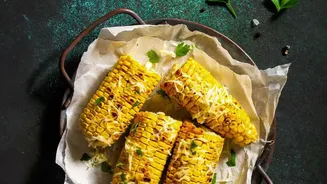
While the classic charcoal-roasted bhutta remains an icon, its influence is expanding. The beloved snack is being reinterpreted in modern culinary spaces. Chefs are using its core flavours in creative ways, from corn chaats and salads in upscale cafes to fillings in sandwiches and even as an aromatic element in beverages like 'bhutta coffee'. These innovations, however, don’t diminish the original; instead, they highlight the versatility and enduring appeal of corn. Whether it’s the starchy, chewy desi makai preferred by street vendors for its robust flavour when roasted or the sweeter American corn used in cups and salads, the ingredient continues to adapt and delight.