







The Problem with Humidity
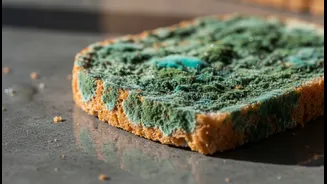
July in India is synonymous with the monsoon, a time when humidity levels soar. This warm, damp air is the perfect environment for bacteria and mould to thrive. Porous surfaces in our homes, especially in the kitchen, become prime real estate for these
unwelcome guests. Chopping boards, which are constantly exposed to moisture from both the air and from washing, are particularly vulnerable. When a board doesn't dry completely, it creates the ideal conditions—moisture, warmth, and trapped food particles—for microbes like E. coli and Salmonella to multiply rapidly. Within hours, a single bacterium can become thousands, posing a significant risk to your family's health.
Wood vs. Plastic: A Surprising Verdict
For years, many believed plastic was the more hygienic choice because it's non-porous and can often go in the dishwasher. However, research and real-world use tell a different story. Every knife cut on a plastic board creates tiny grooves. These scars are impossible to clean thoroughly and become permanent shelters for bacteria. Wooden boards, particularly those made from hardwoods like bamboo or acacia, have some surprising advantages. Wood is hygroscopic, meaning it draws moisture and bacteria away from the surface and deep into its fibres, where the microbes get trapped and eventually die as the wood dries. Studies have shown that gut-related bacteria were found far more frequently on plastic boards than on wooden ones. However, this natural benefit is lost if the wooden board is constantly wet or not maintained, as it can still warp, crack, and harbor mould.
Your Daily Cleaning Ritual
Proper hygiene for any chopping board, regardless of material, starts with immediate cleaning. After each use, you should wash the board with hot, soapy water. Use a soft brush to scrub away any food debris, then rinse thoroughly. A crucial step often missed is drying. Don't just leave your board in a damp sink or stack it with other dishes. Pat it dry with a clean towel and then allow it to air-dry completely by standing it upright. This allows air to circulate on all sides, preventing moisture from getting trapped and discouraging microbial growth. Never use a dirty dishcloth to dry a board, as this can reintroduce bacteria.
Weekly Deep Clean and Disinfection
A regular wash is good, but a weekly deep clean is essential, especially during humid months. For a natural and effective disinfectant, white vinegar is an excellent choice. After washing and drying your board, spray it with undiluted white vinegar, let it sit for about 10 minutes, and then rinse and dry again. This helps kill lingering bacteria. For tough stains and odours, especially after cutting things like onion or fish, a paste of coarse salt and lemon juice works wonders. The salt acts as a gentle abrasive while the lemon juice helps to clean and deodorise. For plastic boards, you can also use a diluted bleach solution for heavy-duty sanitation.
Long-Term Care and Storage
To extend the life of your wooden board and maintain its protective qualities, it’s important to oil it regularly—about once a month. Use a food-grade mineral oil, rubbing it generously into all surfaces. Let it soak in for a few hours or overnight before wiping off the excess. This creates a protective barrier that repels water and prevents the wood from cracking. Proper storage is just as vital. Keep your boards in a dry, well-ventilated area, stored vertically in a rack if possible. Avoid storing them in closed, damp cupboards. Finally, inspect your boards regularly. If a board—wood or plastic—has deep grooves, cracks, or warping, it has become impossible to clean effectively and should be replaced.