
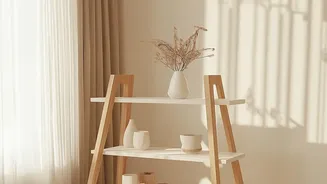
Goodbye, Maximalist 'Shelfie'
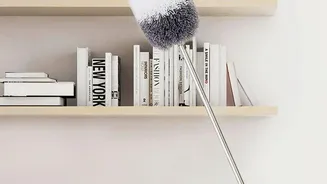
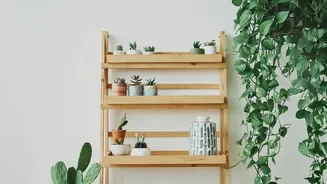
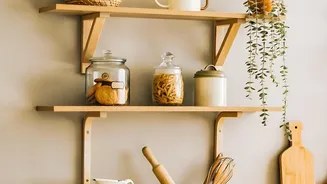
Not long ago, the ultimate sign of a well-decorated home was a perfectly styled bookshelf, often shared on social media with the hashtag #shelfie. This trend celebrated maximalism: more was more. The look was a busy, layered collage of books (sometimes
turned spine-in), quirky objects, trailing plants, and personal mementos, all artfully arranged to project personality and taste. It was a form of visual storytelling, where every inch of space was an opportunity for display. But as with all trends, the pendulum has begun to swing. The carefully constructed clutter that once felt aspirational and expressive is starting to feel, for many, simply cluttered. The pressure to create these picture-perfect vignettes has led to a collective desire for something calmer and less performative.
The Allure of Intentional Emptiness
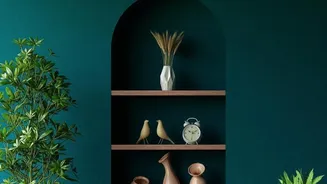
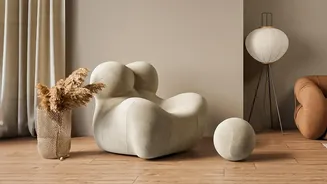
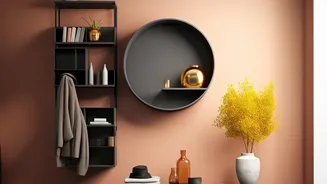
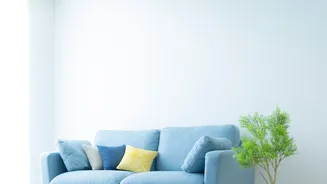
Enter the concept of negative space. In interior design, this refers to the empty or unoccupied areas around and between objects. It’s not about having bare, empty shelves; it’s about intentionally leaving room for items to breathe, allowing each piece to be appreciated on its own. This shift is closely tied to the rise of design philosophies like Japandi, a hybrid of Japanese minimalism and Scandinavian warmth. Japandi heavily relies on the Japanese concept of 'Ma', which celebrates emptiness as an active and essential component of design, not just a void to be filled. The result is a space that feels calm, composed, and visually restful.
A Search for Calm in a Chaotic World
This trend reversal isn't just about aesthetics; it's rooted in a deeper psychological need. In a world of constant digital noise and information overload, our homes are increasingly expected to be sanctuaries of peace. Studies have shown that cluttered environments can trigger the release of the stress hormone cortisol and create cognitive overload, making our brains feel like our work is never done. A minimalist, organized space, by contrast, can reduce anxiety and improve mental clarity. By stripping back the unnecessary, we are not just decorating; we are creating an environment that supports our mental well-being. The focus moves from accumulating things to curating a life with more intention and less distraction.
It's Curation, Not Deprivation
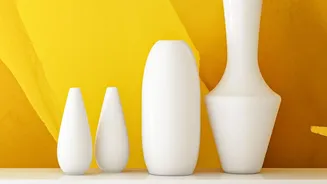
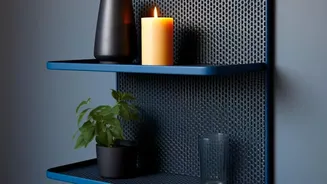
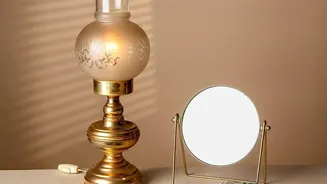
Embracing empty space doesn't mean getting rid of everything you love. The new approach is about thoughtful curation rather than stark minimalism. The goal is to edit your collection down to the items that are truly meaningful or beautiful. Think quality over quantity. Instead of ten small, forgettable items, this philosophy champions one or two beautiful ceramic pieces or a single piece of striking art. This allows for a more personal and less trend-driven display. Designers suggest varying the height and scale of objects and grouping items in odd numbers like three or five to create a more natural feel. The key is balance—placing a visually 'heavy' item on one side and balancing it with lighter elements on the other, with plenty of breathing room in between.