







Why Humidity Is a Hidden Danger
We often focus on the temperature, but high humidity is the real challenge for pets in India. Unlike humans, dogs and cats can't sweat effectively to cool down. They primarily rely on panting to evaporate moisture from their lungs. However, when the air
is already saturated with moisture, this process becomes inefficient, making it incredibly difficult for them to regulate their body temperature. This means that even in a home without direct sun, the thick, humid air can lead to a dangerous build-up of heat in your pet's body, putting them at risk for heatstroke. This is especially true for brachycephalic (short-nosed) breeds like Pugs and Persian cats, as well as senior or overweight pets.
Spotting the Warning Signs of Overheating
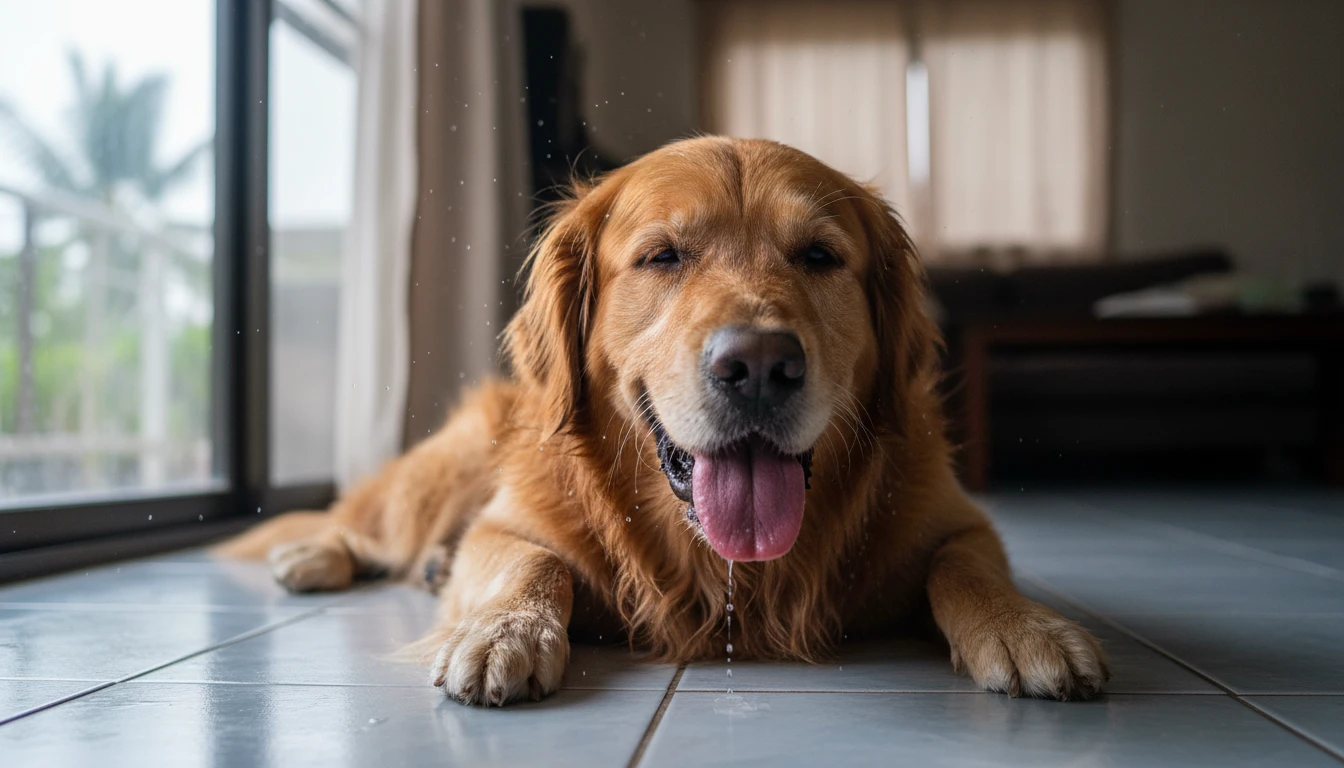
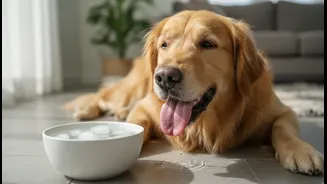
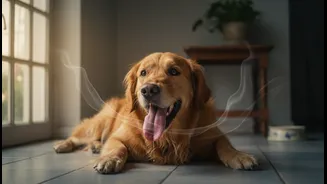
Early detection is key to preventing a medical emergency. If your pet is overheating, they will show clear signs of distress. Watch for excessive or rapid panting that doesn't stop with rest. Other crucial signs include heavy drooling, which might be thicker than usual, and bright red gums or tongue. Your pet might seem weak, lethargic, restless, or disoriented. In some cases, they may vomit or have diarrhea. If you notice any of these symptoms, you must act immediately to cool your pet down and seek veterinary advice. A body temperature above 104°F is considered an emergency.
Immediate First Aid for an Overheated Pet
If you suspect your pet has heatstroke, move them to a cool, shaded, or air-conditioned area immediately. The goal is to lower their body temperature safely. Use cool or tepid water—never ice-cold water—to wet their fur, focusing on their paws, groin, armpits, and neck where major blood vessels are close to the surface. Using ice or very cold water can be counterproductive, as it constricts blood vessels and traps heat inside the body. Directing a fan towards them can increase evaporative cooling. Offer small sips of cool water if they are conscious and able to drink, but do not force them. It is crucial to transport your pet to a veterinarian as quickly as possible, even if they seem to be recovering.
Proactive Cooling Strategies for Indian Homes
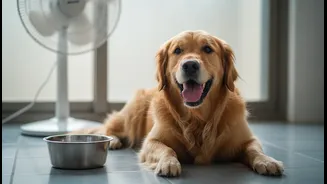
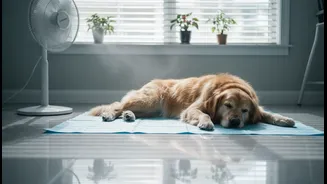
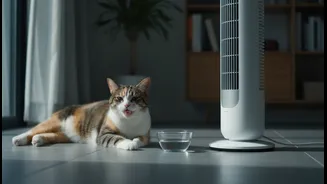
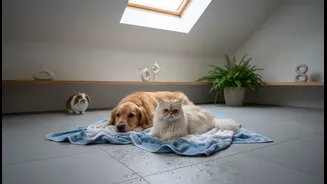
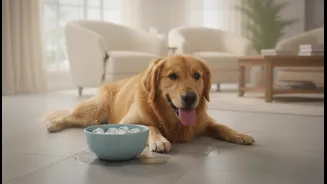
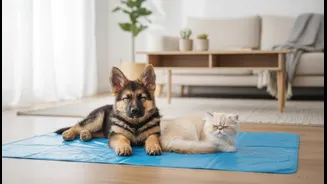
Prevention is always the best approach. Ensure your pet always has access to multiple bowls of fresh, cool water. Keep your home as cool as possible by drawing curtains during the day and using fans or coolers to ensure good air circulation. Tiled or marble floors are excellent cool surfaces for pets to lie on. You can also provide damp towels for them to rest on. Cooling mats, which contain a special gel that absorbs body heat, are a fantastic non-electric option. Adjust your routine by scheduling walks for the cooler early morning or late evening hours. You can also offer cooling treats like frozen cubes of diluted broth, coconut water, or plain yogurt.
Common Cooling Mistakes to Avoid
In an effort to help, pet owners sometimes make things worse. Never shave a double-coated dog like a Husky or Pomeranian; their fur actually acts as insulation from the heat and protects them from sunburn. Regular brushing to remove loose undercoat is much more effective. Avoid pouring water over your dog's back, as this can trap heat and humidity against the skin, especially in direct sun. Also, never use ice or ice-cold water for cooling, as this can lead to shock. Finally, never, ever leave your pet in a parked car. Even on a relatively mild day with the windows cracked, the temperature inside a car can rise to lethal levels within minutes.