



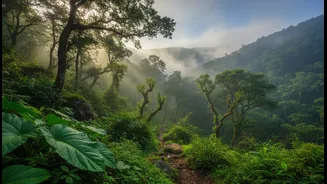
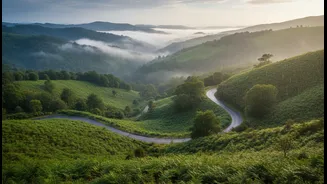


Embrace the Rains, Respect the Risks
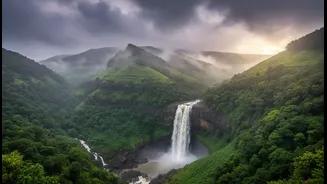
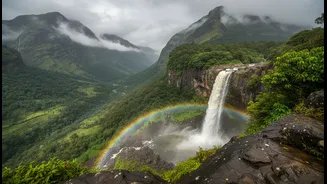
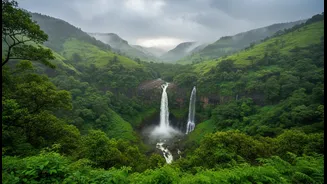
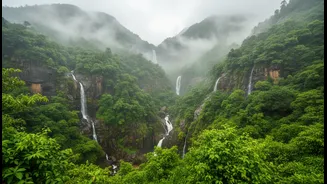
Travelling during the monsoon season is a trade-off. You are rewarded with stunningly green landscapes, dramatic waterfalls, and fewer tourists at popular heritage sites, which can lead to a more authentic cultural experience. Airlines and hotels often
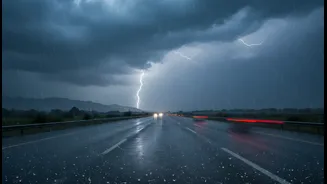
offer significant discounts, making it a budget-friendly time to explore. However, the risks are real and shouldn't be underestimated. Heavy rains can cause widespread travel disruptions, including flight delays, waterlogged roads, and train cancellations. In hilly and ecologically fragile areas, the danger of landslides and flash floods is a serious concern, sometimes leading to road closures and isolation. For the 2026 season, authorities have increased safety enforcement, with some popular trekking routes and waterfalls in states like Maharashtra and Goa closed to the public.
Destination Selection is Key
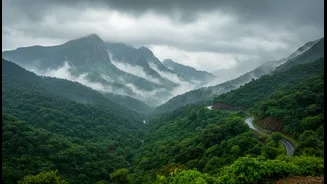
Choosing the right destination is the most critical first step. While the entire country is transformed, some regions are far safer than others. Rain-shadow regions like Ladakh and Spiti Valley in the Himalayas receive very little rainfall and remain sunny and accessible, making them ideal for monsoon travel. In Rajasthan, cities like Udaipur and Mount Abu receive light, pleasant showers that turn the Aravallis green without the high risks of flooding. Well-managed hill stations in the Western Ghats and Nilgiris—such as Coorg, Munnar, and Ooty—are also considered relatively safe due to reliable infrastructure, though it's still crucial to monitor weather alerts. Conversely, it is wise to be cautious when planning trips to regions prone to extreme weather, such as parts of Uttarakhand, Himachal Pradesh, and certain coastal areas where heavy downpours are common.
Safer Routes Over Shorter Routes
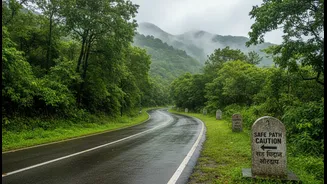
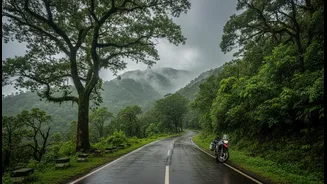
The shortest path is not always the safest during the monsoon. Prioritising well-maintained national highways over smaller, rural roads is a wise strategy, as they are less susceptible to damage and blockages. Before and during your journey, consistently check real-time weather forecasts and traffic updates from official sources like the India Meteorological Department (IMD) and local authorities. For travel in mountainous regions, such as to Dharamshala, specific routes are recommended for being more stable and less prone to landslides. In many cases, train travel can be a more reliable alternative to driving, though delays are still possible. When booking flights, aim for morning departures, as they are less likely to be affected by afternoon thunderstorms and the cascading delays that follow.
The Art of the Flexible Itinerary
Rigid schedules and monsoon travel do not mix well. The key to a successful trip is building flexibility into every part of your plan. Avoid the temptation to pack too many destinations into a short period; travel in India is best when you slow down, and this is especially true during the rains. When booking, opt for hotels and flights that offer refundable or flexible change policies. Always have a backup plan. If your primary destination becomes inaccessible, knowing what your Plan B is can save your holiday from disappointment. This might mean having an alternative town to visit or a list of indoor cultural sites, like museums or temples, that you can explore if outdoor plans are washed out. Don't over-schedule your days; leave room for spontaneous changes and delays.
Pack Smart for the Season
Your packing list needs to be adapted for wet and humid conditions. Lightweight, quick-drying clothing is essential. A reliable raincoat and a sturdy umbrella are non-negotiable. Protect your valuables by packing electronics, travel documents, and medications in waterproof bags or cases. Footwear is particularly important; choose shoes or sandals with a strong grip to navigate slippery surfaces and avoid walking through stagnant water, which can hide open drains or other hazards. A basic first-aid kit, along with mosquito repellent, is also highly recommended to guard against water-borne and mosquito-borne illnesses, which are more common during this season. A power bank is a useful addition to cope with potential power outages in rural areas.