





The Science of a Simple Stroll
The most celebrated benefit of a post-meal walk is its remarkable effect on blood sugar. After you eat, your body breaks down carbohydrates into glucose, which enters your bloodstream. This causes blood sugar levels to rise. When you start walking, your muscles
need energy. To get it, they pull glucose directly from the bloodstream, a process that helps lower the post-meal glucose spike. Research shows that even a brief walk of two to five minutes can start to have a positive effect. This gentle activity helps prevent the dramatic peaks and crashes in blood sugar that can leave you feeling tired and, over time, can increase the risk for metabolic conditions like type 2 diabetes. The sweet spot seems to be starting your walk within 60 to 90 minutes after eating, which is when blood glucose levels are typically at their highest.
Soothing Soreness with Active Recovery
The phrase “recovery walk” in the headline points to another key benefit: alleviating muscle soreness. While a post-dinner stroll won't magically cure the aches from an intense gym session, it serves as a form of active recovery. Light activity like walking increases blood flow throughout the body. This enhanced circulation helps deliver oxygen and nutrients to tired muscles, while also helping to flush out metabolic byproducts that contribute to stiffness and soreness. This process can reduce the feeling of tightness and may speed up the repair process. Unlike passive rest (like sitting on the couch), gentle movement prevents muscles from stiffening up. This is particularly effective for delayed onset muscle soreness (DOMS), the achiness you feel a day or two after a tough workout. The key is to keep the intensity low; the walk should feel restorative, not strenuous.
The Perfect Pace and Duration
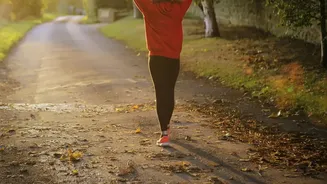
You don’t need to gear up for a power walk or a long hike to reap the rewards. In fact, studies suggest that even a 10 to 15-minute walk at a low-to-moderate intensity is incredibly effective. A small 2025 study even found that a 10-minute walk right after eating provided similar blood sugar benefits to a 30-minute walk taken 30 minutes later. The ideal pace is one where you can comfortably hold a conversation. Exercising too intensely right after a meal can sometimes cause digestive discomfort because blood is diverted away from your stomach to your working muscles. The goal is a gentle stroll that stimulates your body without stressing it. Walking for just 10 minutes after breakfast, lunch, and dinner can be more beneficial for blood sugar control throughout the day than one single 30-minute walk.
Beyond Blood Sugar and Aches
The advantages of a post-meal walk don't stop with glucose control and muscle recovery. This simple habit also works wonders for your digestive system. Movement helps stimulate the stomach and intestines, a process known as peristalsis, which encourages food to move through your system more rapidly. This can significantly reduce common complaints like bloating, gas, and indigestion. Furthermore, building this routine contributes to better long-term cardiovascular health by helping to regulate blood pressure and improve circulation. It also provides a moment to de-stress, get some fresh air, and boost your mood. When done consistently, these short walks add up, contributing to weight management by burning extra calories and improving your overall metabolism.
How to Make It a Daily Habit
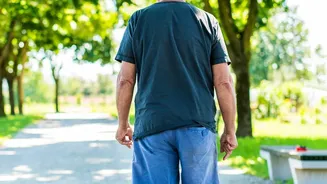
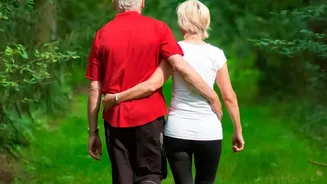
Integrating post-meal walks into your routine doesn't have to be complicated. The key is to find what works for your schedule. If you work from home, a quick walk around the block after lunch can break up the day. In an office setting, you could walk to a farther restroom or simply pace in a hallway while taking a phone call. After dinner, consider making it a family activity or a quiet time to walk the dog. The low barrier to entry is what makes this habit so powerful—no special equipment or gym membership is required. Start with just five minutes after one meal a day. Once that feels effortless, you can gradually increase the duration or add a walk after another meal. The consistency, more than the intensity, is what unlocks the lasting benefits.