






The Atmosphere's Invisible Lid
Normally, the air closer to the ground is warmer than the air above it. This warm air rises, carrying pollutants from vehicles, industry, and other sources with it, and disperses them high into the atmosphere. Think of it as the planet's natural ventilation
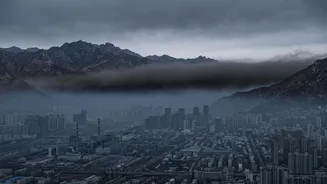
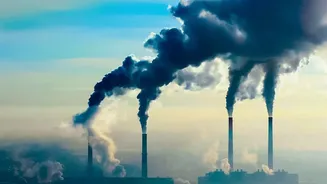
system. However, under certain conditions, this process gets flipped on its head. A meteorological trap, in simple terms, is when a layer of warm air settles on top of a layer of cooler air near the ground. This warm air acts like an invisible lid, preventing the cold air below from rising. As a result, all the exhaust and particulate matter get trapped, leading to a rapid decline in air quality.
Meet the Culprit: Temperature Inversion
The specific phenomenon responsible for this atmospheric lid is called a temperature inversion. It’s a reversal of the normal temperature profile of the atmosphere. These inversions are particularly common during winter. On long, clear nights, the ground loses heat rapidly, cooling the air closest to it. The air above remains relatively warmer. This creates a stable atmospheric condition where there is little to no vertical mixing of air. Calm or low winds exacerbate the situation, as there's nothing to help push the polluted air away horizontally. The result is a concentrated cocktail of pollutants stuck right where we live and breathe.
Why Our Cities Suffer Most
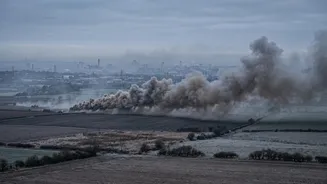
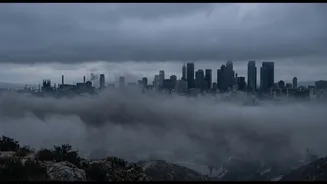
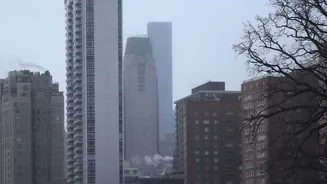
While temperature inversions are a natural weather event, they become a major problem in urban areas. Cities are constant sources of pollutants like particulate matter (PM2.5 and PM10), nitrogen oxides, and carbon monoxide from heavy traffic, industrial activity, and construction. During an inversion, these emissions have nowhere to go. Furthermore, the geography of some cities, such as those located in valleys or basins, can enhance the trapping effect, leading to prolonged periods of severe smog. The 'heat island effect' in cities, where concrete and asphalt retain heat, can also interact with inversion layers, sometimes complicating the dispersion of pollutants.
The Indian Winter Smog Crisis
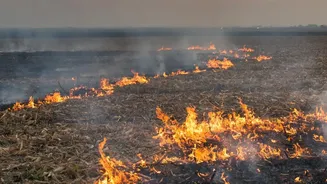
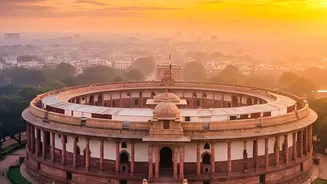
In India, this phenomenon is a critical factor in the annual winter air quality crisis, especially across the Indo-Gangetic Plains. Cities like Delhi experience severe smog episodes when temperature inversions coincide with lower wind speeds and a spike in pollution sources. These sources include not just urban emissions but also large-scale agricultural stubble burning in neighbouring states, which adds a massive load of particulate matter into the already stagnant air. The cold, dense air traps these pollutants close to the ground, leading to AQI levels that consistently fall into the 'Very Poor' and 'Severe' categories, creating a public health emergency.
The Health Consequences
The health implications of being trapped in a bubble of polluted air are serious. Exposure to high concentrations of pollutants can cause immediate effects like eye irritation, coughing, and shortness of breath. Longterm exposure is far more dangerous, increasing the risk of chronic respiratory diseases like asthma and COPD, cardiovascular problems, strokes, and even cancer. Sensitive groups, including children, the elderly, and people with preying health conditions are particularly vulnerable during these smog episodes.