






A New Playbook for Global Growth
The traditional path for Indian food brands going international was straightforward: export packaged goods and target the diaspora. While effective, this model meant competing for limited shelf space and often being confined to specialty stores. Today,
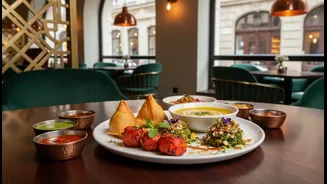
a more ambitious strategy is taking shape. Household names like Haldiram's, Bikanervala, and Chaiiwala are no longer just exporting products; they are exporting experiences. By opening quick-service and casual dining restaurants in key international hubs like London, Dubai, and Toronto, these companies are building a powerful, immersive brand presence that goes far beyond a simple packet of bhujia.
The Restaurant as an Experience Centre
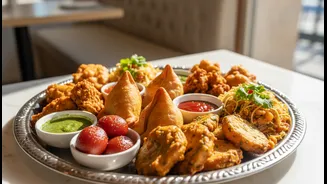
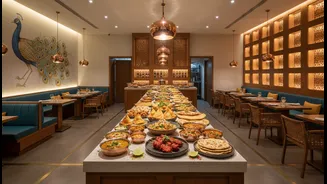
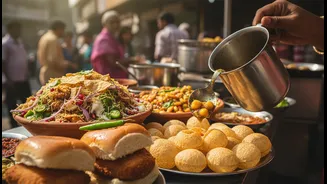
This restaurant-first approach is a masterclass in marketing. Instead of just telling consumers about their products, brands can now show them. A restaurant acts as a live advertisement and a quality control centre. It allows the brand to present its full range of snacks, sweets, and meals in a controlled, high-quality environment. For many international customers, their first taste of authentic chole bhature or raj kachori might be at a Haldiram's outlet in London or Dubai. This positive dining experience creates a powerful halo effect, building trust and making customers more likely to pick up the brand's packaged snacks at a supermarket. It turns the restaurant into an interactive tasting menu for the entire brand.
Serving the Diaspora, Winning Over New Fans
The initial launchpad for this strategy is often the large and affluent Indian diaspora. These communities provide a loyal, built-in customer base eager for a taste of home. Brands like Bikanervala and Sankalp Group have successfully expanded across the US, Canada, UK, and the Middle East by catering to this demand. However, the ultimate goal is to cross over into the mainstream. By setting up in high-traffic, cosmopolitan areas, these restaurants attract curious locals and tourists. The success of chains like Dishoom in the UK has shown that there is a massive appetite for authentic Indian food presented in a modern, accessible format, a lesson Haldiram's has taken to heart with its recent European expansion. This dual-audience strategy allows brands to secure a reliable base while simultaneously growing their market.
Navigating a Global Kitchen
Expanding a restaurant chain globally is not without its challenges. It requires significant investment in real estate, navigating complex international regulations, and managing global supply chains to ensure consistency. Maintaining authenticity while also adapting to local palates is a delicate balancing act. Some brands are tackling this by setting up local manufacturing facilities, as Bikaji has done in the United States and Haldiram's has in the UK, to ensure freshness and shorten supply lines. Staffing is another hurdle, with some chains flying in trained chefs from India to maintain the authentic taste that defines their brand. Despite these obstacles, the push continues, often bolstered by significant foreign investment from firms like Singapore's Temasek, which has backed Haldiram's global ambitions.