
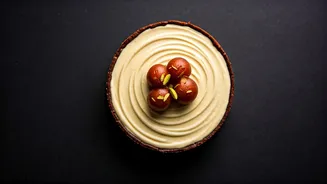


What Is This Delicious Monstrosity?
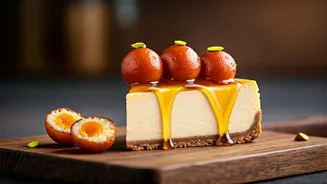
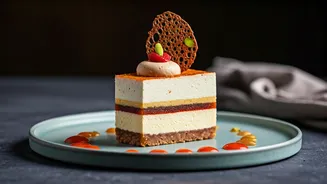
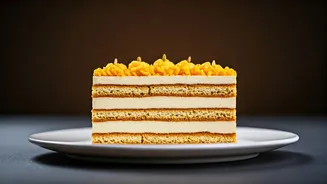
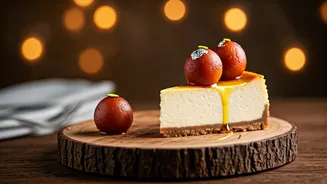
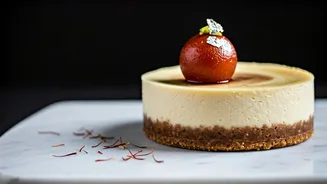
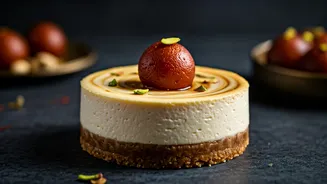
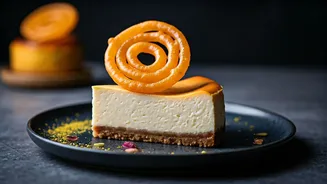
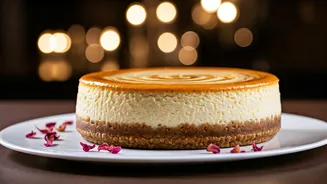
Imagine a rich, creamy cheesecake, typically a no-bake version set on a biscuit crust. Now, picture that smooth surface adorned with, and often infused with, pieces of classic Indian jalebi. The dessert plays on contrasts: the soft, tangy cream cheese base
cuts through the intense, sugar-syrup sweetness of the jalebi. Often, the cheesecake itself is subtly flavoured with Indian spices like saffron (kesar) or cardamom (elaichi), creating a bridge between the two dessert traditions. Some versions embed chopped jalebi pieces within the cheesecake filling for a surprising textural crunch, while others use whole, perfectly coiled jalebis as a stunning visual garnish. It’s a dish designed not just for the palate, but for the camera.
Anatomy of a Viral Trend
The Jalebi Cheesecake didn’t just appear in one restaurant; it bubbled up from the creative cauldron of social media. Pushed by home bakers, experimental chefs, and food influencers, the dish became an instant star on platforms like Instagram. Its visual appeal is undeniable. The vibrant orange of the jalebi against the pale cream of the cheesecake makes for a photogenic masterpiece, perfectly suited for eye-catching Reels and posts. Food bloggers were quick to jump on the trend, sharing their own recipes or reviewing versions from local bakeries. This created a domino effect, where seeing the dessert online prompted more people to seek it out or try making it, fuelling its journey from a niche experiment to a nationwide sensation.
Innovation or Sacrilege?
As with any fusion that touches a beloved classic, the Jalebi Cheesecake has its sceptics. For every comment celebrating its ingenuity, there’s another lamenting the corruption of a traditional sweet. Purists argue that the beauty of jalebi lies in its simplicity—crispy, chewy, and dripping with syrup, best enjoyed hot and fresh. They question the need to “elevate” it by pairing it with a Western dessert. Is it a clever reinvention, or does it dilute the identity of both dishes? This debate is a familiar one in modern Indian cuisine, echoing similar conversations around creations like Gulab Jamun Tacos or Butter Chicken Pasta. The dessert forces us to ask: where does respectful innovation end and gimmicky fusion begin?
Why We Love a Good Mashup
The appeal of a dish like Jalebi Cheesecake goes beyond mere novelty. It taps into a deeper cultural phenomenon. For many, it represents the best of both worlds—the comforting nostalgia of a childhood sweet combined with the sophisticated allure of a global dessert. In a globalised India, our palates are becoming more adventurous. We are familiar with tiramisu and tres leches, but we still crave the flavours of home. Fusion desserts like this offer a delicious compromise. They feel both familiar and new, providing a sense of comfort while still delivering an exciting taste experience. They are a reflection of a generation that is proud of its heritage but also confidently global in its outlook.