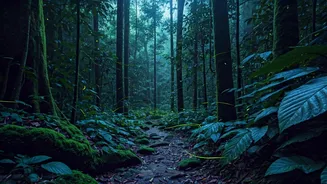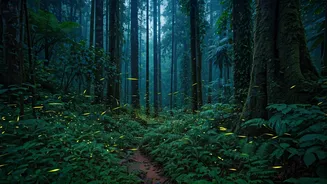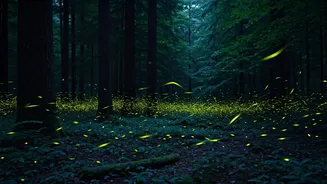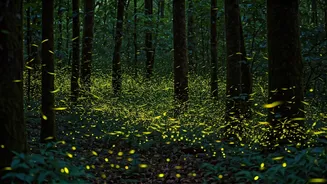





What Is a Firefly Influx?
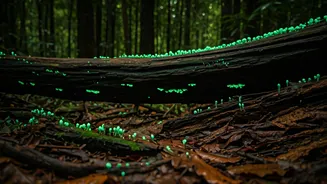
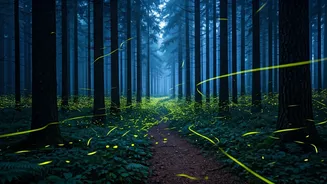
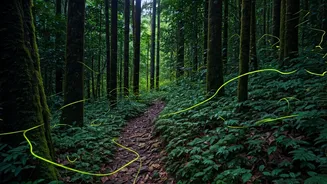
We’ve all seen a lone firefly blinking on a warm evening. Now picture tens of thousands doing it at the exact same time. This phenomenon, known as synchronous bioluminescence, is a breathtaking mating ritual. Male fireflies flash in unison to attract
females, creating waves of light that ripple through the darkness. It’s not just a random flickering; it’s a coordinated, silent symphony of light. This behaviour is only seen in a few species of fireflies and only in specific locations around the world, making it an exceptionally rare and magical sight. The 'influx' refers to the sheer density of fireflies that gather during this short breeding window, turning entire stretches of forest into an otherworldly landscape.
Why Guided Tours Are Essential
These firefly habitats are incredibly fragile ecosystems. The insects are sensitive to light pollution, noise, and physical disturbance. Venturing out on your own is not only difficult—as these locations are often remote and dark—but can also be harmful to the fireflies. Local guides and authorised eco-tourism operators understand the terrain and the behaviour of the fireflies. They lead you along designated paths, ensuring minimal impact on the environment. More importantly, they enforce rules crucial for the insects' survival, such as prohibiting flash photography and bright torchlights, which can disrupt the mating cycle. A guided tour is the most responsible and rewarding way to experience this natural wonder.
Prime Locations in India
India is blessed with a few hotspots where this phenomenon occurs, primarily in the Western Ghats. The Anamalai Tiger Reserve (ATR) in Tamil Nadu has become famous for its synchronous firefly events. The forest department here often organises official walks and viewing opportunities. Another renowned destination is Purushwadi, a tribal village in Maharashtra, where an annual Fireflies Festival is organised by grassroots tourism groups. Other potential locations include parts of Goa’s interior forests, certain areas in the Coorg district of Karnataka, and other protected reserves along the Ghats. Always check with local forest departments or trusted eco-tour operators for the most current and accurate information on viewing spots.
The Best Time to Witness the Magic
Timing is everything. The synchronous firefly season is a very short window, typically occurring in the pre-monsoon period. The peak season generally falls between the last week of May and the second or third week of June, just before the heavy rains begin. The combination of rising humidity and optimal temperatures creates the perfect conditions for the fireflies to emerge and begin their mating rituals. The displays are most active for a couple of hours after sunset. Because the window is so brief and popular, planning your trip well in advance is crucial.
How to Book Your Excursion
For destinations like the Anamalai Tiger Reserve, keep an eye on the official website of the Tamil Nadu Forest Department, as they typically announce sanctioned tours and booking procedures. For places like Purushwadi, organisations like Grassroutes are the primary organisers of the festival and camping experiences; you can book directly through their website. For other areas, search for local, reputable eco-tourism companies that specialise in wildlife and nature trails. Be wary of unverified operators. It's always best to book with guides or companies that have a clear conservation ethos. Since slots are limited to prevent overcrowding, it's recommended to book your spot at least a month or two in advance.
Essential Visitor Etiquette
To ensure these fireflies return year after year, every visitor must be a responsible one. Do not use your phone's flashlight or a regular torch; if a light is necessary, guides will use a red-filtered light that is less disruptive. Absolutely no flash photography. Maintain silence, as loud noises can disturb the insects. Never attempt to catch or touch the fireflies. Stay on the marked trails to avoid trampling on females or larvae on the ground. By following these simple rules, you help protect this delicate spectacle for future generations to enjoy.