



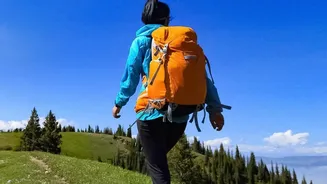
More Than a Walk, It’s a Feeling
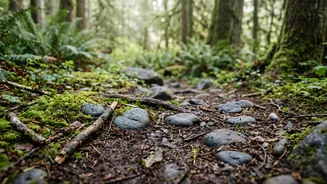
Sensory awareness in nature is about engaging all your senses, not just the ones we rely on most. While we see the trees and hear the birds, barefoot hiking invites you to feel the earth directly—the soft give of moss, the cool press of damp soil, the warm
grit of a sun-baked stone path. Each step provides a stream of information, forcing you to slow down and become fully present in your surroundings. This practice shifts nature from being a simple backdrop to an active participant in your experience, heightening your sense of immersion and connection. Instead of just observing the world, you are physically interacting with it in a primal, immediate way.
The Science of Grounding
The practice of connecting your body directly to the earth is often called 'grounding' or 'earthing'. The theory suggests that the earth's surface has a natural, subtle electrical charge. By making direct skin contact, your body may absorb free electrons, which some researchers believe can help neutralize harmful free radicals, potentially reducing inflammation, pain, and stress. While large-scale research is still emerging, small studies and countless anecdotes report benefits like improved sleep, better mood, and a greater sense of well-being. Barefoot hiking is the most active form of grounding, combining the potential benefits with light exercise and time in nature.
A Workout for Your Feet and Brain
Modern shoes, with their thick, cushioned soles, can weaken the intricate network of muscles in our feet. Walking barefoot activates these underused muscles, strengthening arches and improving flexibility and balance. This enhanced body awareness, or proprioception, comes from the thousands of nerve endings in your feet constantly sending feedback to your brain about the terrain. This stimulation doesn't just improve your physical stability; it can enhance cognitive function. Studies have shown barefoot activity can increase brain activation, improving concentration and reducing mental stress by providing multisensory input.
How to Start Your Barefoot Journey
Transitioning to barefoot hiking should be a gradual process to allow your feet to adapt. Start small and on forgiving surfaces like a grassy park, a sandy beach, or a soft forest path with a clearly visible trail. Begin with short, 15- to 20-minute walks and slowly increase the duration and variety of terrain as your comfort and confidence grow. Pay close attention to how your feet feel. It's about building tolerance, not pushing through pain. Many seasoned barefoot hikers still carry a lightweight pair of minimalist shoes in their pack, just in case they encounter a stretch of trail that is too rough or uncomfortable.
Safety First: Navigating the Trail
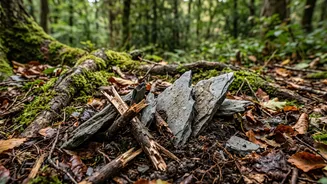
The most important rule of barefoot hiking is to watch where you're going. Keep your eyes on the path a few paces ahead to spot potential hazards like sharp rocks, glass, or thorns. Instead of shuffling, step straight down, placing your weight on the ball of your foot first. This allows your foot to act as a natural shock absorber and to feel the ground before you commit your full weight. Be extra cautious on ground cover like leaves or grass where hazards might be hidden. It's also wise to carry a small first-aid kit with tweezers, antiseptic wipes, and bandages for any minor cuts or scrapes. People with diabetes or reduced sensation in their feet should consult a doctor before attempting barefoot hiking due to a higher risk of injury and infection.