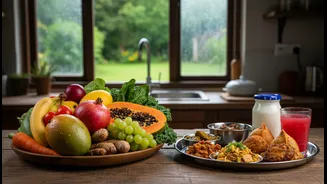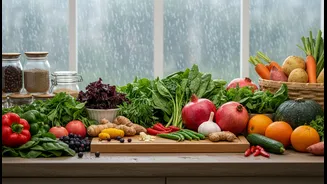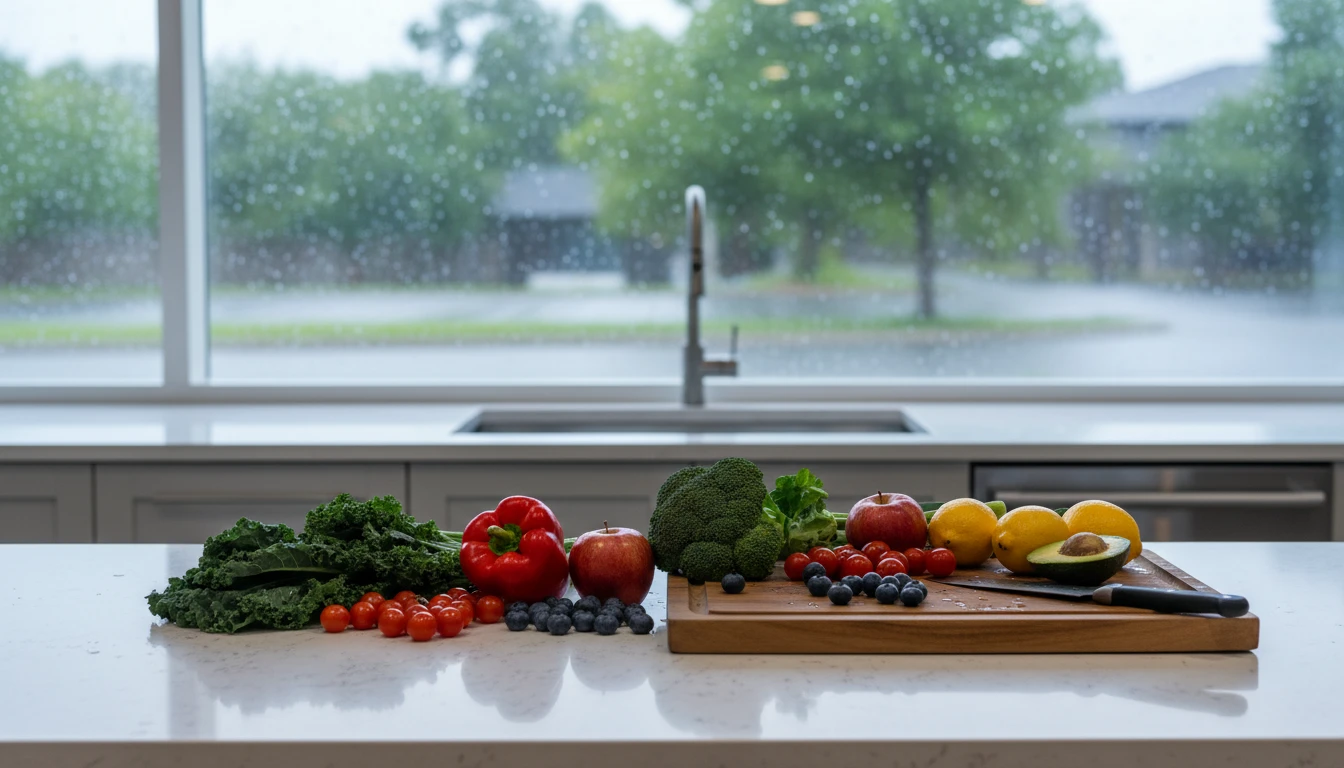

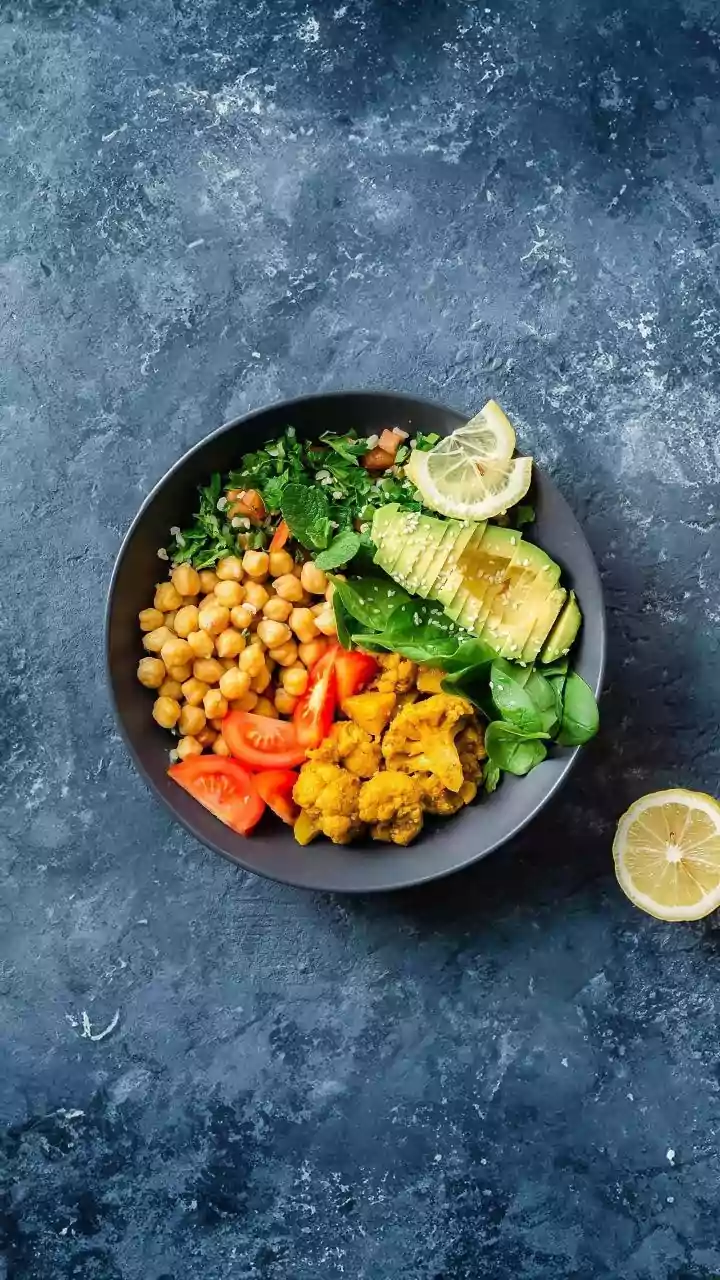
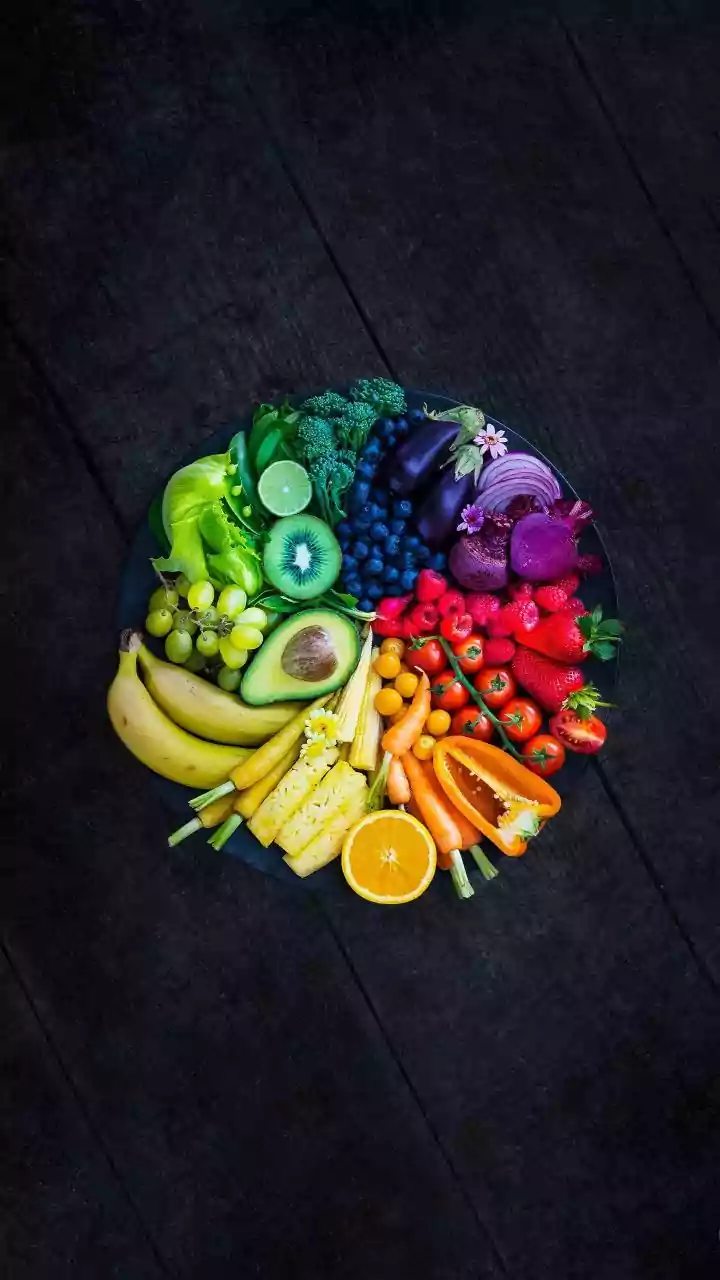

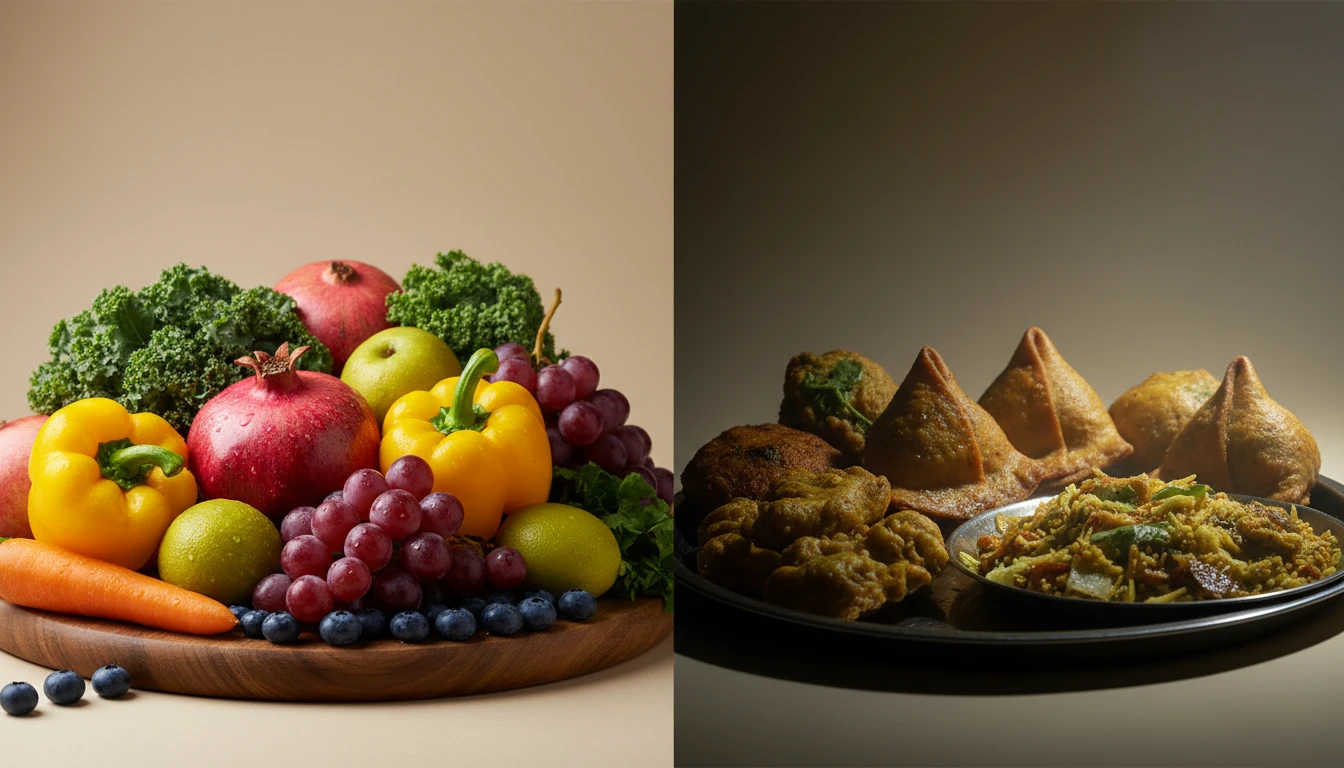




Prioritise Fresh, Home-Cooked Meals
The single most effective way to stay healthy is to eat freshly prepared, home-cooked food. Your digestive system is generally weaker during the monsoon, and heavy, oily foods can lead to bloating and indigestion. Opt for light, easily digestible meals
like warm soups, khichdi, and steamed vegetables. Cooking food thoroughly at the right temperature kills most harmful bacteria and viruses that cause common illnesses like gastroenteritis and cholera. Avoid eating leftovers that have been sitting at room temperature, and if you must, ensure they are refrigerated promptly and reheated properly before consumption.
Be Cautious with Street Food
As tempting as a hot plate of pakoras or a spicy chaat might be in the rain, street food is a major source of foodborne diseases during this season. The risk comes from multiple sources: the water used for cooking and making chutneys is often contaminated, ingredients can be exposed to the humid air for hours, and general hygiene standards can be difficult to maintain. Foods like pani puri are particularly high-risk because the water is typically unboiled. If you must indulge, choose vendors who visibly maintain high standards of cleanliness and serve food that is cooked fresh and served hot.
Handle Fruits and Vegetables with Care
The high moisture during monsoon makes produce susceptible to faster spoilage and contamination. Leafy green vegetables like spinach and cabbage, which grow close to the ground, can harbour dirt and germs from contaminated soil and water. It's best to avoid raw salads and stick to well-cooked vegetables. All produce should be washed thoroughly under clean, running water. Some experts suggest soaking them in a solution of salt water or mild vinegar to help remove lingering pathogens before cooking. It's also wise to avoid pre-cut fruits sold by vendors, as they are exposed to contamination.
Boost Your Immunity Naturally
A strong immune system is your body's best defence against infections. Incorporate immunity-boosting foods into your daily diet. Spices like turmeric, ginger, and garlic have powerful anti-inflammatory and antibacterial properties. Fruits rich in Vitamin C, such as amla and citrus fruits, are also beneficial. Probiotic-rich foods like yoghurt (curd) and buttermilk support gut health, which is closely linked to immunity, but it's often recommended to consume them during the day and avoid them at night. Staying hydrated by drinking 7-8 glasses of boiled or filtered water daily also helps flush out toxins.
Practice Impeccable Kitchen Hygiene
Good hygiene is the foundation of food safety. Always wash your hands thoroughly with soap and water before preparing food and before eating. Keep your kitchen surfaces, chopping boards, and utensils clean and sanitised, preferably with hot water. It is crucial to prevent cross-contamination by using separate cutting boards and knives for raw meat and vegetables. Store raw meat, poultry, and eggs away from other foods in the refrigerator to prevent the spread of bacteria. Regularly cleaning your refrigerator and storing all food in airtight containers also helps prevent spoilage and contamination.
Ensure Your Drinking Water is Safe
Contaminated water is a primary cause of many monsoon illnesses, including typhoid, cholera, and hepatitis A. Never assume tap water is safe to drink. The most reliable method to purify water at home is to boil it for at least one minute. Using a well-maintained water purifier is another effective option. When you're outside, always carry your own water bottle or purchase sealed, bottled water. Avoid ice from unknown sources, as it can also be made from contaminated water.