







A Conscious Shift in Cafe Culture
For years, the default cool-down drink at many urban cafes has been a tall glass of iced tea, often syrupy and loaded with sugar. But a quiet revolution is underway, driven by a growing consumer base that is more health-conscious and eager to connect
with local ingredients. This shift is part of a larger wellness trend where patrons are actively avoiding empty calories and seeking out 'functional' drinks that offer benefits beyond simple refreshment. As awareness about the health risks of high sugar consumption grows, city dwellers are looking for alternatives that are both flavourful and guilt-free, paving the way for traditional Indian superfruits to make a major comeback.
Introducing the Stars: Kokum and Jamun
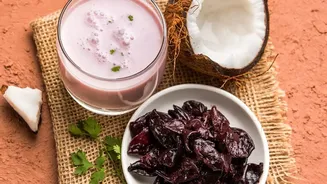
At the forefront of this trend are two powerhouse fruits: kokum and jamun. Kokum, or Garcinia indica, a fruit native to the Western Ghats, has long been a staple in coastal households as a summer coolant. It has a unique sweet and tangy flavour profile and imparts a beautiful ruby-red hue to drinks. Traditionally used in sherbets to fight heatstroke and aid digestion, it’s now being celebrated for its modern appeal. Jamun, also known as the Indian blackberry or java plum, is another seasonal favourite making waves. Its deep purple colour is a visual cue for its high antioxidant content. With a distinctive taste that is a mix of sweet, tangy, and slightly astringent, it offers a more complex flavour than many conventional fruit drinks.
The Art and Science of Cold Steeping
The key to this new wave of drinks lies in the preparation method: cold steeping. Unlike traditional methods that involve boiling fruits with sugar to make a syrup, cold steeping is a slow, gentle infusion process. Dried kokum petals or deseeded jamun are soaked in cold water for several hours, often overnight. This patient technique extracts the vibrant colours, delicate flavours, and water-soluble nutrients from the fruit without the harshness of heat. The major advantage is that it avoids releasing the bitter tannins that can come with boiling, resulting in a smoother, cleaner taste. This means the natural sweetness of the fruit can shine through, drastically reducing the need for added sugars or artificial sweeteners.
More Than Just a Refreshing Taste
The move towards kokum and jamun is heavily backed by their health credentials. Kokum is a powerhouse of benefits, traditionally valued for improving digestion, reducing acidity, and acting as a natural body coolant. It contains Hydroxycitric Acid (HCA), which has been studied for its potential role in appetite management. Jamun is celebrated for its high antioxidant and anti-inflammatory properties. In Ayurvedic traditions, it is often associated with blood sugar management, making it a point of interest for diabetic and pre-diabetic individuals. When you compare these nutrient-dense infusions to a standard sugary iced tea, which often provides little more than a sugar rush, the choice becomes clear for the health-aware consumer.
From Tradition to Trend
This beverage trend is more than just a health fad; it represents a significant cultural shift. It’s about reclaiming and celebrating indigenous ingredients that have been part of Indian culinary heritage for centuries. For generations, kokum sherbet and jamun juice were drinks made at home, often from recipes passed down through families. Now, urban cafes and mixologists are giving these traditional favourites a modern makeover, presenting them in a way that appeals to a new, younger audience. This movement bridges the gap between ancestral wisdom and contemporary lifestyle, offering a drink that feels both authentic and aspirational. It’s a delicious and refreshing way to connect with one's roots.