




The Corporate Push for Electric Fleets
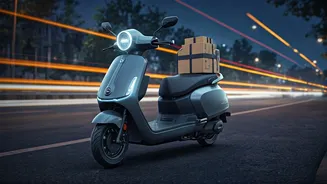
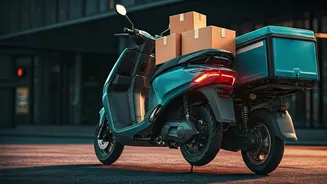
India's last-mile delivery ecosystem, the final step in getting packages and food to your doorstep, is undergoing a radical transformation. Major players in e-commerce and quick commerce are aggressively converting their fleets to electric vehicles (EVs).
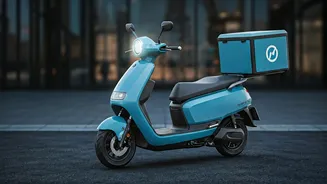
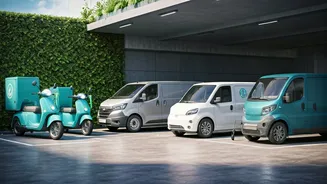
Companies like Flipkart, Zomato, and Amazon India have set ambitious targets to electrify their delivery operations. [18] Zomato, for instance, has pledged to transition its entire delivery fleet to electric by 2030, a goal echoed by Flipkart. [25, 28] Amazon India has already deployed over 10,000 EVs and plans to introduce over 1,000 electric trucks in the coming years. [6, 16] This corporate push is not merely for show; it's a strategic move driven by Environmental, Social, and Governance (ESG) commitments and the compelling economics of EV operations. [23] As the e-commerce sector in India continues its explosive growth, projected to handle millions of shipments daily, the shift to a greener fleet is becoming a business necessity. [5, 18]
The Rider's Bottom Line: A Question of Economics
For the individual delivery partner, the switch to an electric vehicle is primarily an economic decision. The most significant advantage is the drastic reduction in running costs. While petrol prices remain volatile, the cost of charging an EV is significantly lower. [14] Reports suggest that the per-kilometre running cost for an electric two-wheeler is just ₹1-2, compared to ₹4 or more for a petrol equivalent. [11, 23] This can translate into substantial annual savings, potentially increasing a delivery partner's income by up to 18%. [22] However, the transition isn't without hurdles. The upfront cost of an electric two-wheeler can be 1.5 times that of its petrol counterpart, a major barrier for gig workers. [22] While government subsidies under schemes like PM E-DRIVE aim to reduce this burden, accessing finance remains a challenge for many. [5, 19, 29]
Overcoming the Roadblocks: Infrastructure and Innovation
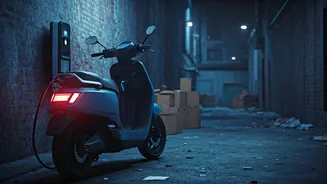
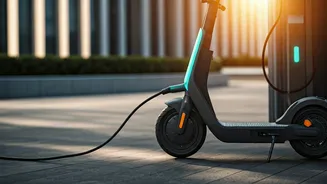
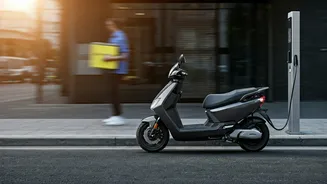
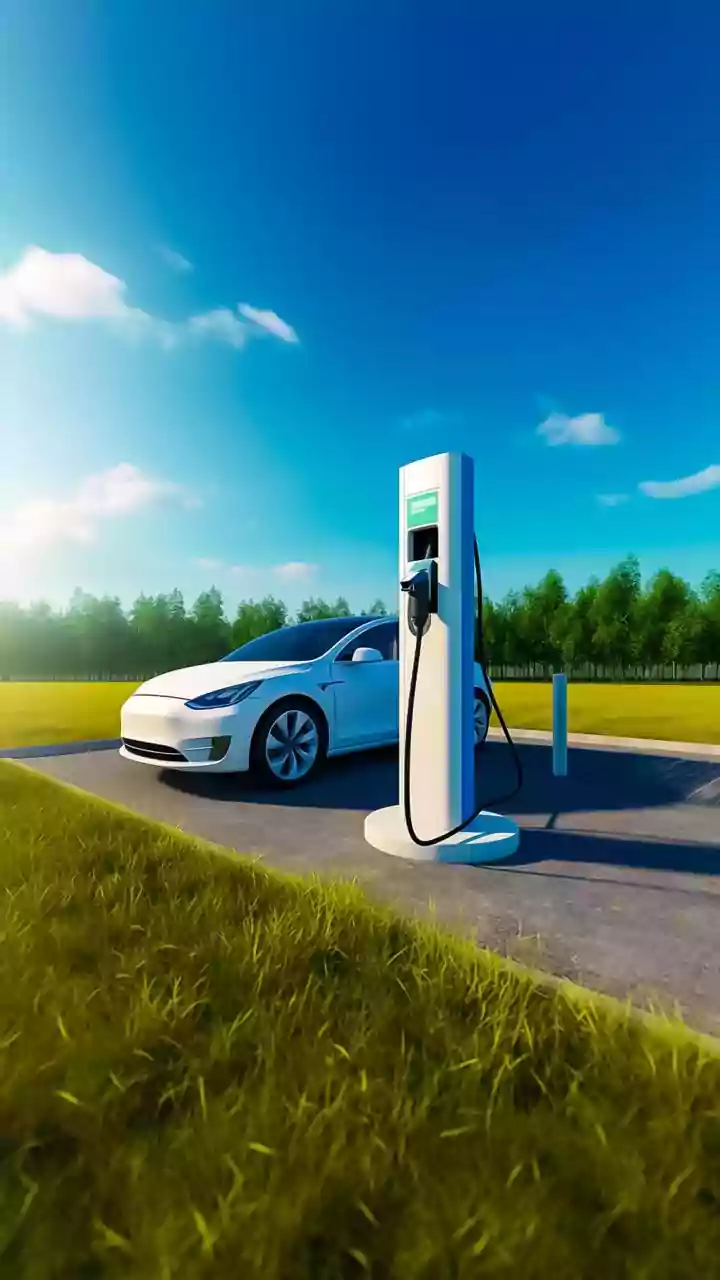
The biggest operational challenge to widespread EV adoption is infrastructure, specifically the availability of charging points. [4, 13] Range anxiety—the fear of a battery running out mid-shift—is a real concern for delivery partners who cover 80-100 km daily. [3, 4] To address this, an innovative solution gaining traction is battery swapping. [10] Companies like Battery Smart and Sun Mobility are building networks of swapping stations where a driver can exchange a depleted battery for a fully charged one in minutes, eliminating charging downtime. [2, 9] This 'Battery-as-a-Service' (BaaS) model not only solves the range issue but also lowers the initial vehicle cost, as the battery can be leased rather than owned. [19] Major delivery platforms are also partnering with these network providers to create a more robust ecosystem. [3]
The Bigger Picture: From Last-Mile to National Goal
The electrification of India's delivery fleet is more than just a business trend; it's a crucial component of the nation's larger sustainability goals, including the target of achieving net-zero emissions by 2070. [11] With last-mile deliveries projected to grow by 78% globally by 2030, the associated increase in vehicles could worsen urban congestion and pollution. [5] By transitioning to EVs, which produce zero tailpipe emissions, the logistics sector can significantly improve urban air quality. [22] The government has recognized this potential, offering various incentives such as reduced GST, road tax exemptions, and subsidies to both manufacturers and consumers to accelerate the shift. [12, 31] This convergence of corporate strategy, individual economic benefit, and national policy is creating a powerful, ground-up movement that is reshaping urban logistics for a greener future. [4]