





A Dual Threat to Young Minds
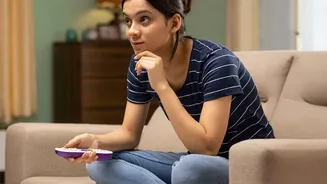
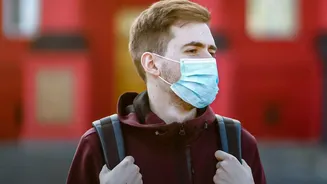
Delhi's annual battle with severe air pollution has once again forced children out of playgrounds and into their homes. As air quality indexes remain in the 'severe' and 'very poor' categories, schools frequently switch to online classes to protect students
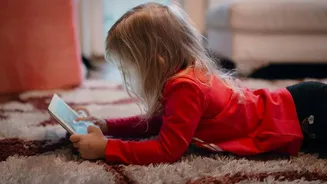
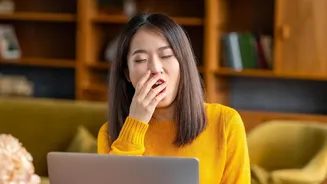
from the hazardous smog. This creates a challenging situation: children are not only dealing with the physical health risks of pollution but are also confined indoors for extended periods. This confinement, combined with a heavy reliance on screens for education and entertainment, is creating what some experts describe as a perfect storm for childhood anxiety. The lack of physical activity, social interaction, and direct sunlight, all crucial for a child's well-being, is being replaced by a sedentary, digital-heavy routine.
The Screen Time and Anxiety Spiral
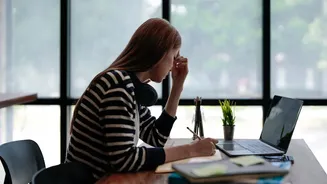
While online classes are a necessary measure, the increased screen time comes with its own set of challenges. Health experts note that prolonged exposure to screens can disrupt a child's developing brain, affecting everything from attention spans to emotional regulation. This is not just about recreational screen use; mandatory online lessons can lead to 'Zoom fatigue', where the brain struggles to process constant digital information, causing stress and exhaustion. Furthermore, the nature of online interaction can itself be a source of anxiety. Some children find it harder to keep up with lessons online or feel pressured by the social dynamics of video calls. This digital dependency can create a cycle where a child, unable to play outside, turns to more screen time for entertainment, further fueling feelings of restlessness and unease.
Recognising the Signs of Anxiety
For parents, identifying anxiety in children can be difficult as it often manifests differently than in adults. Instead of clearly expressing worry, a child might become more irritable, have sudden emotional outbursts, or withdraw from the family. Physical symptoms are also common and should not be dismissed. Many anxious children complain of frequent headaches, stomachaches, or fatigue with no clear medical cause. Changes in sleep patterns, like difficulty falling asleep or frequent nightmares, and changes in appetite are other key indicators. Experts advise parents to watch for patterns of avoidance, such as a child consistently refusing to participate in online classes or other activities they once enjoyed.
What Parents and Guardians Can Do
Addressing this issue requires proactive steps at home. Creating a structured daily routine that balances schoolwork with offline activities is crucial. Designate screen-free times and zones within the house to encourage other forms of engagement. If air quality permits, even short periods of outdoor time in less polluted areas can make a difference. Indoors, using a high-quality air purifier with a HEPA filter can help create a cleaner, safer space for play. Openly talking to children about their feelings is also essential. Validate their frustrations about being stuck inside rather than dismissing them. Instead of simply offering reassurance, help them brainstorm solutions and coping strategies for when they feel overwhelmed. Praising brave behaviour, like trying a difficult task, helps build their confidence.
Creating Healthier Indoor Environments
Since children spend so much time indoors during pollution season, improving indoor air quality is vital. Beyond air purifiers, simple habits can help. Regular vacuuming with a HEPA filter and damp-mopping surfaces can reduce dust and other allergens. It is also advisable to avoid burning scented candles or using chemical-laden air fresheners, which can release harmful compounds into the air. Ensuring good ventilation by opening windows for brief periods when outdoor air quality is relatively better can also help flush out stale indoor air. These small but consistent actions contribute to a healthier physical environment, which in turn supports better mental well-being.